Introduction
Building a football field involves far more than selecting artificial grass. A FIFA football turf system combines turf, shock pad, infill, base construction, drainage, installation, and testing. The right combination delivers consistent ball behaviour, player safety, durability, and manageable maintenance; the wrong one can create avoidable costs long after handover.
This guide gives stadium owners, clubs, schools, contractors, and sports developers a practical way to compare complete systems. It focuses on the decisions that shape performance, certification readiness, lifecycle value, and supplier selection - rather than on surface samples alone.
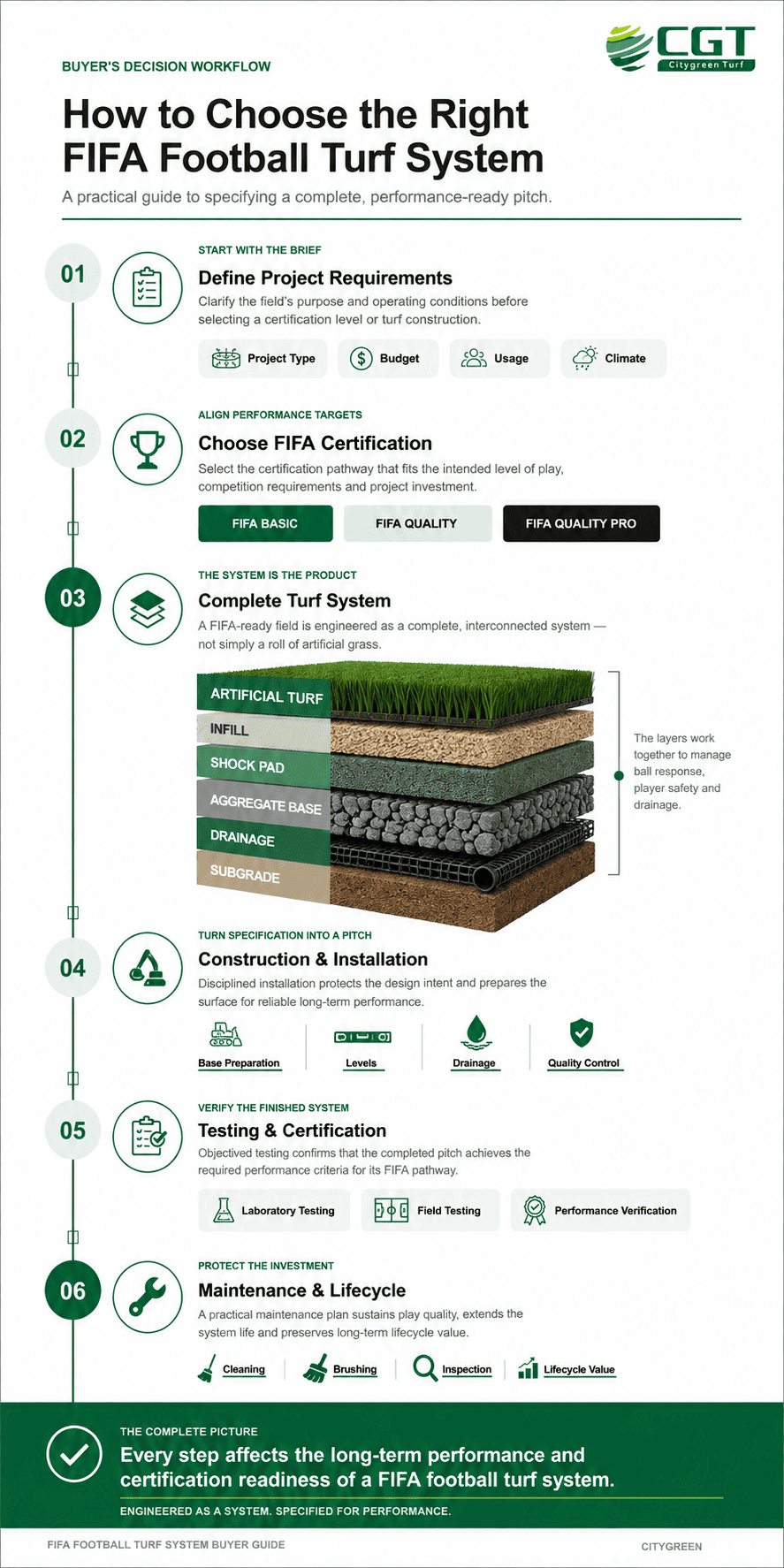
How to choose fifa football turf system workflow
Understanding What a FIFA Football Turf System Really Is
A FIFA football field is not defined by an individual turf product. FIFA evaluates the performance of an integrated installed system. To better understand how a FIFA football turf system is designed and certified, see our guide on FIFA Football Turf Systems Explained. Fiber construction and infill influence traction and ball interaction; the shock pad affects impact attenuation and energy return; and the base, levels, and drainage underpin stability and water management. Installation quality and field testing confirm that the components perform together.
This matters when comparing quotations. Two fields can look similar on day one but behave differently because their shock pads, infill, sub-bases, drainage details, or installation controls are not equivalent. Request the complete tested configuration and ask suppliers to identify exactly what is included, excluded, and assumed.
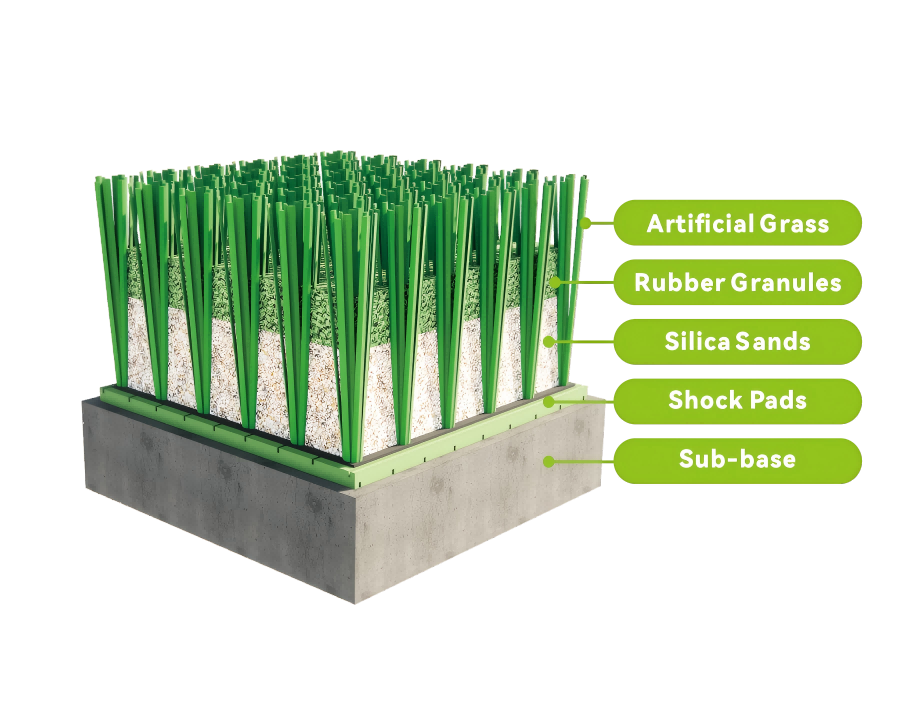
FIFA football turf system structure showing artificial turf, infill, shock pad, base and drainage layers
Why Choosing the Right Football Turf System Matters
The right system protects the playing experience and the investment. Appropriate shock absorption, rotational resistance, and surface stability support player safety. Consistent ball roll, rebound, and traction give players and coaches a dependable field. Durable fibers, compatible infill, well-prepared foundations, and effective drainage reduce premature wear and make routine brushing, cleaning, and infill management more efficient.
For this reason, the best value is rarely the lowest initial quote. Compare expected service life, maintenance capacity, warranty conditions, commissioning, and replacement planning. A specification that fits the actual traffic pattern normally delivers a better lifecycle return than an over-specified or under-specified surface.
Key Factors to Consider When Choosing a FIFA Football Turf System
Every football project has different performance expectations, usage frequency, budget limits, and certification requirements. Start with the project brief, then select the system. The following factors should be considered together because changing one layer can affect the performance of the rest.
Define Your Project Goals Before Comparing Products
The first question is not “Which turf is best?” but “What does this project need?” A professional stadium, club training center, school field, and municipal pitch all have different priorities. Define the users, weekly operating hours, match versus training use, climate, maintenance resources, expected service life, and budget before asking for a quotation. This enables suppliers to recommend an appropriate system instead of simply offering the most expensive configuration.
Turn the Brief into a Comparable Specification
A useful brief makes every quotation easier to compare. Record field dimensions, location, access restrictions, the condition of any existing base, drainage connections, target opening date, and the parties responsible for civil works. State whether the pitch will be used mainly for matches, daily training, school activity, or public hire. When those assumptions are missing, suppliers may price different scopes that cannot be compared fairly. A clear brief also reduces late changes, which are often more costly than early specification decisions.
|
Project Type |
Primary Considerations |
|
Professional Stadium |
Elite performance, FIFA Quality Pro, and competition requirements |
|
Football Club Training Centre |
Intensive daily use, durability, and player comfort |
|
School Sports Field |
Safety, simple maintenance, and cost efficiency |
|
Community Football Pitch |
High usage frequency, durability, and lifecycle cost |
Choose the Appropriate FIFA Certification Level
FIFA Quality Pro is not automatically the right answer for every project. The suitable target depends on the level of play, stakeholder expectations, budget, and the field's intended use. FIFA assessment considers the complete system through laboratory testing and on-site testing, with attention to player safety, ball behavior, durability, weather resistance, and overall performance. Set the target early, then specify the compatible turf, shock pad, infill, base, drainage, installation, and testing pathway.
|
Certification |
Typical Applications |
|
FIFA Basic |
Recreational and entry-level football facilities |
|
FIFA Quality |
Schools, academies, community clubs, and training facilities |
|
FIFA Quality Pro |
Professional clubs, stadiums, and elite competition venues |
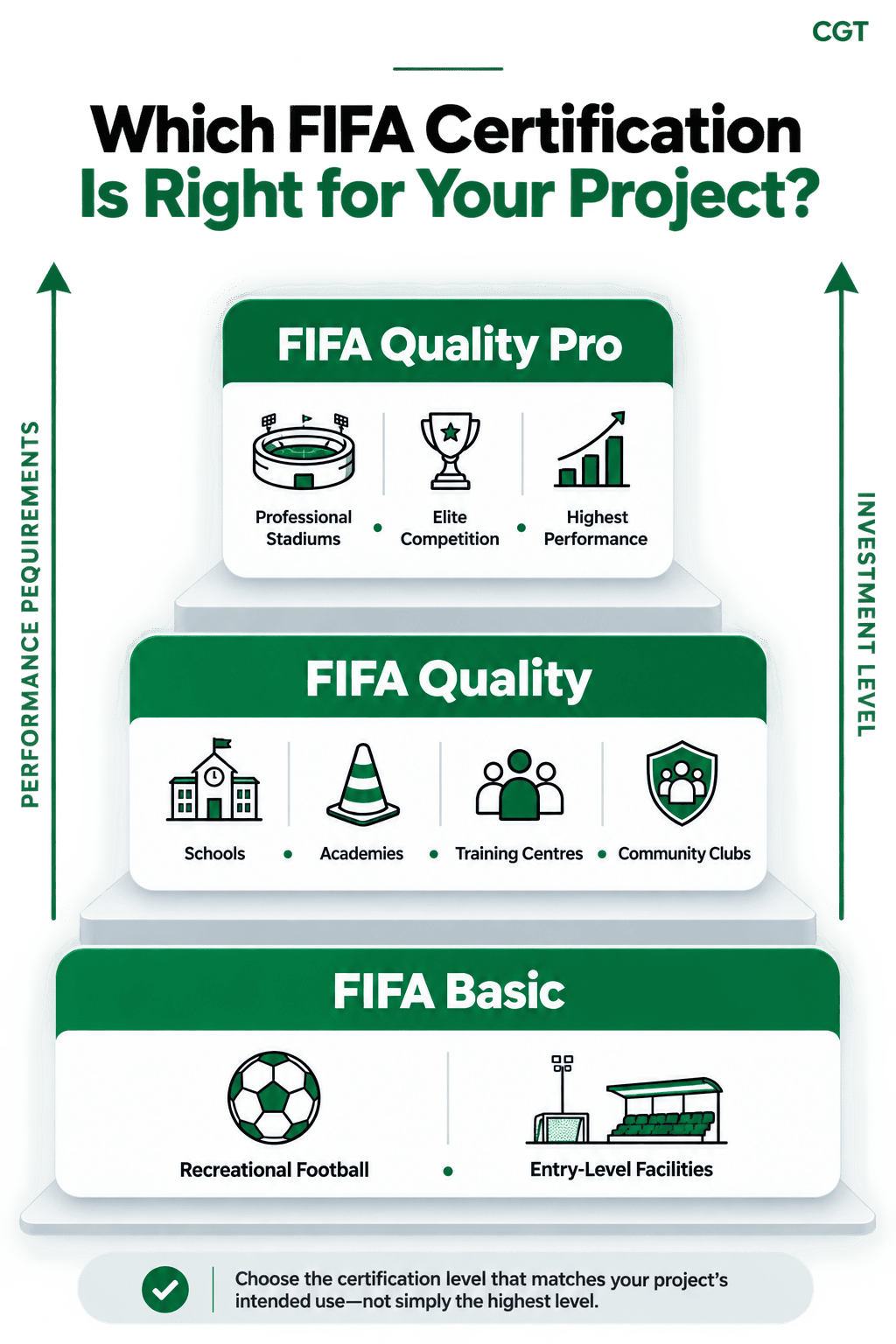
Comparison infographic of FIFA Basic, FIFA Quality, and FIFA Quality Pro football turf certification levels by project type, performance requirements, and investment level.
Evaluate the Complete Football Turf System - Not Just the Artificial Grass
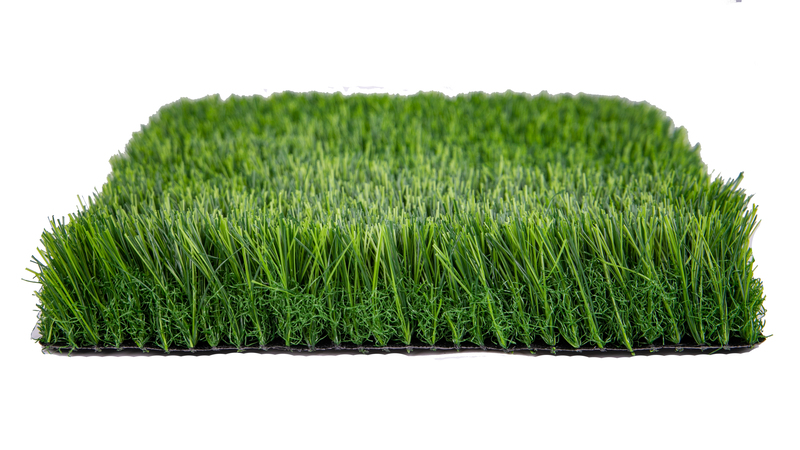
A field should be procured as one compatible engineering solution. The artificial turf determines appearance, fiber resilience, wear performance, and initial ball interaction, so assess fiber shape, polymer quality, stitch rate, density, pile height, UV resistance, and wear resistance. However, excellent turf cannot compensate for weaknesses below it.
Artificial Turf: Match Construction to Traffic
Ask how the proposed turf construction responds to the field's expected traffic. A heavily used community or training facility may need greater resilience and a maintenance plan that keeps fibers upright and infill balanced. For competition or elite training, consistency of ball response and player interaction may carry more weight. Product samples are helpful but should be reviewed alongside the system test data, proposed infill, and expected daily use. The objective is a surface that still performs predictably after years of operation, not only one that looks good at installation.
Shock pads contribute to shock absorption, vertical deformation, energy restitution, and consistency over time. They must be compatible with the turf, infill, base, and certification target. Infill—such as quartz sand, EPDM, TPE, or an organic system where appropriate—should be chosen against performance needs, climate, local requirements, and maintenance capability, rather than by a single “best” claim.
Shock Pad and Infill: Assess the Combination
The shock pad and infill work with the turf to shape comfort, stability, and ball behavior. Buyers should ask whether the proposed pad has been assessed with the selected turf and infill, rather than as a separate component. Infill selection also affects grooming requirements, temperature behavior, replenishment planning, and local compliance considerations. There is no universal answer: sand, EPDM, TPE, and organic alternatives each have trade-offs. A supplier should explain why a combination suits the climate, intended users, certification target, and the operator's actual maintenance capabilities.
The base and drainage are less visible but equally decisive. Sub-base preparation, compaction, levels, load distribution, and drainage interfaces determine stability and water evacuation. Make the existing base, local climate, rainfall, and drainage scope clear in the RFQ so low quotations do not conceal missing civil work.
Base and Drainage: Protect the Investment Below the Surface
A flat-looking surface does not prove that the supporting construction is adequate. Poor compaction, inaccurate levels, inadequate water outlets, or unclear interfaces between trades can lead to settlement and ponding that are expensive to correct later. Suppliers and civil contractors should agree on survey information, compaction requirements, drainage falls, and acceptance checks before turf installation begins. For a step-by-step overview of the construction process, see our Football Field Construction Guide. This coordination is especially valuable in locations with intense rainfall, challenging soil conditions, or restricted access for construction equipment. 、
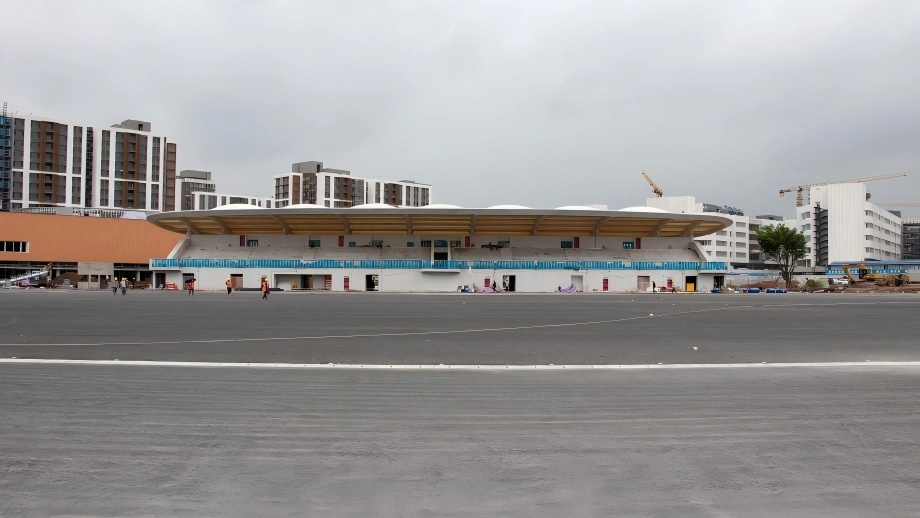
Football turf drainage system and sub-base construction beneath an artificial football field
Installation Quality Can Be Just as Important as Product Quality
Even a high-quality system can underperform if installation is poorly controlled. Accurate base preparation, seam bonding, infill distribution, leveling, inspection, and final testing all affect the installed field. Confirm who supervises installation, coordinates civil works, supports testing, and delivers the maintenance handover.
CityGreen Sports' delivery of two FIFA Quality Pro pitches in Murcia, Spain under the TM-2024 standard illustrates the point. Certification relied on coordinated system design, installation quality, and final performance verification—not on certified materials alone. The project is a useful reference for buyers who need evidence that a complete configuration can perform as specified.
Think Beyond Initial Cost - Consider the Total Lifecycle Value
A lower first quotation can conceal differences in durability, maintenance frequency, replacement cycles, and scope. Compare expected service life, fiber durability, shock pad longevity, cleaning and grooming needs, warranty coverage, testing costs, technical support, and replacement planning. For a field expected to operate for ten years or more, a well-designed system often produces stronger long-term value while maintaining more consistent playing quality.
Common Mistakes Buyers Should Avoid
Choosing based on price alone often raises lifecycle costs. Compare the full system, installation, testing, warranty, and maintenance assumptions on a like-for-like basis. Likewise, do not focus only on artificial grass: the shock pad, infill, base, drainage, and workmanship shape the final result.
Avoid selecting the wrong certification level by matching the target to actual usage, player level, and budget. Finally, plan maintenance from the design stage. Routine brushing, infill management, cleaning, and inspections are part of preserving playing characteristics and field life, not an afterthought.
How to Evaluate a Football Turf Supplier
Supplier selection is a risk-management decision. A capable partner connects product data, system design, installation coordination, test support, project references, and after-sales service. Ask for relevant projects in comparable climates or usage conditions, clear system specifications, laboratory and test documentation, installation responsibilities, warranty conditions, and handover support.
Look for Technical Transparency, Not Just Product Claims
Before appointing a supplier, request system drawings, component schedules, installation methodology, program assumptions, testing responsibilities, and a defined handover package. Strong answers are specific to the site. They clarify where civil works end and turf installation begins, how drainage interfaces are controlled, what happens if site conditions differ from the brief, and what maintenance information the operator receives. This level of transparency helps prevent scope gaps and allows the buyer to assess proposals on performance, responsibility, and long-term support.
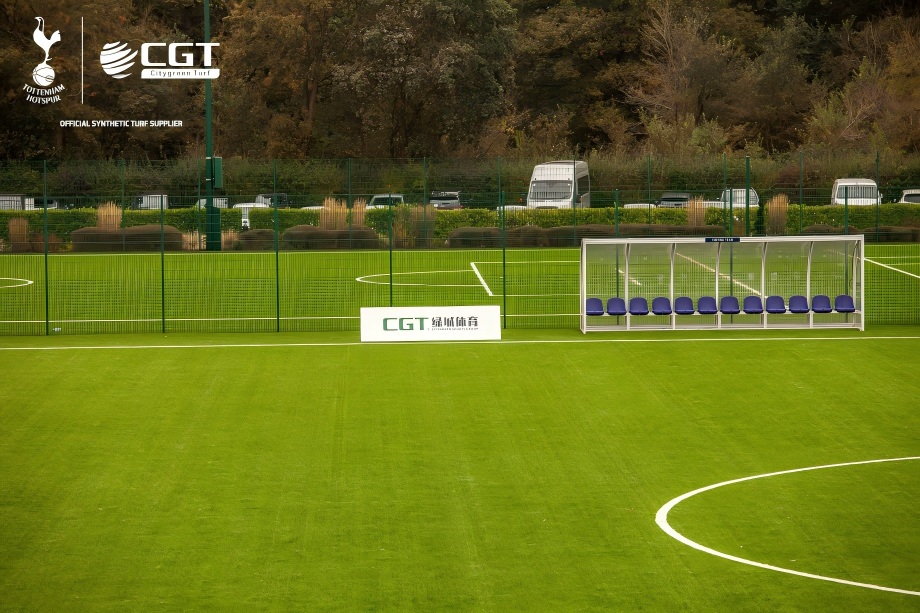
Tottenham Hotspur Training Centre – FIFA Quality Pro Football Turf System by CityGreen Sports
Completed projects provide stronger evidence than product brochures alone. At Tottenham Hotspur Training Centre, the focus extended beyond supplying artificial turf to delivering a complete football turf system capable of meeting the consistent playing standards expected by professional athletes. From system design and component compatibility to installation quality and final performance verification, every stage was carefully coordinated to achieve reliable long-term performance. For buyers evaluating potential suppliers, projects like this demonstrate not only product quality but also the technical expertise and project management required to deliver a high-performance football field.
Conclusion
Choosing the right FIFA football turf system is not simply about selecting artificial grass or pursuing the highest certification level. It requires a clear project brief, a realistic target, compatible layers, sound base and drainage design, disciplined installation, and lifecycle thinking. By comparing complete systems and working with suppliers that can demonstrate proven delivery experience, project owners can make decisions that support both immediate performance and long-term facility management.