
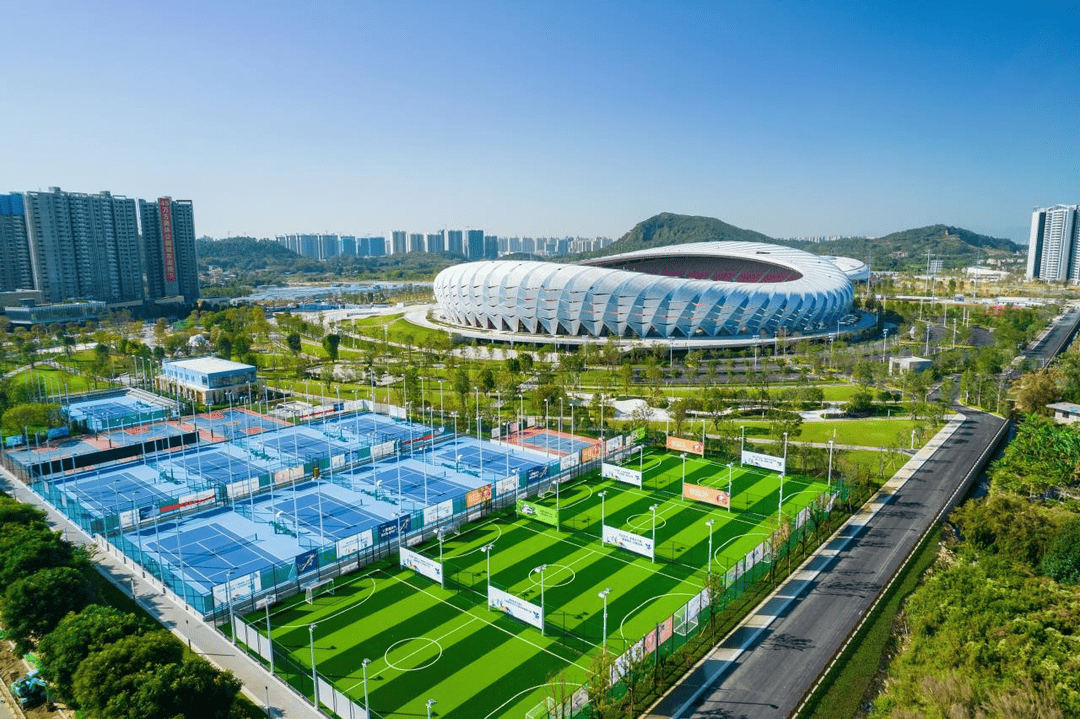
The Growing Global Trend Toward Sustainability
Sustainability is no longer a niche concept—it has become a global priority across industries. From construction to manufacturing, organizations are actively seeking ways to reduce environmental impact and improve resource efficiency.
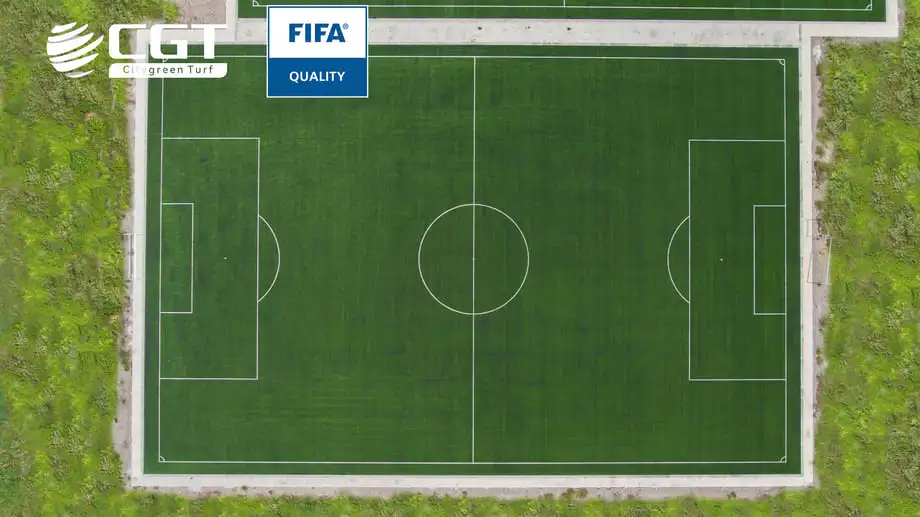
Aerial view of a sustainable artificial turf football pitch installed by CityGreen Sports, representing eco-friendly sports construction.
In the sports industry, this shift is especially visible. Major events, governing bodies, and facility owners are increasingly adopting environmentally responsible practices. Initiatives such as Global Recycling Day highlight the importance of reducing waste and promoting circular resource use.
As a result, sports infrastructure—particularly football pitches—is evolving to align with these sustainability goals.
What Is a Sustainable Sports Field?
A sustainable sports field is designed and constructed with long-term environmental, economic, and social impact in mind. Beyond performance and durability, sustainability addresses how resources are used throughout the lifecycle of the field—from material sourcing and installation to daily maintenance and eventual replacement. Key aspects include:
Efficient use of natural resources: Sustainable fields prioritize materials that minimize environmental depletion, such as recycled fibers or eco-friendly infill options.
Reduced water consumption: Unlike traditional natural grass, which requires extensive irrigation, modern artificial turf systems dramatically cut water usage, conserving a critical resource—especially in regions prone to drought.
Lower maintenance requirements: Sustainable fields reduce the need for fertilizers, pesticides, mowing, and other labor-intensive upkeep, lowering both environmental impact and operational costs.
Extended product lifecycle: High-quality materials and engineered turf systems are designed to last for decades, reducing the frequency of replacements and minimizing landfill waste.
Recyclability of materials: At the end of their lifecycle, components such as turf fibers, infill, and backing can be reclaimed or recycled, contributing to a circular economy.
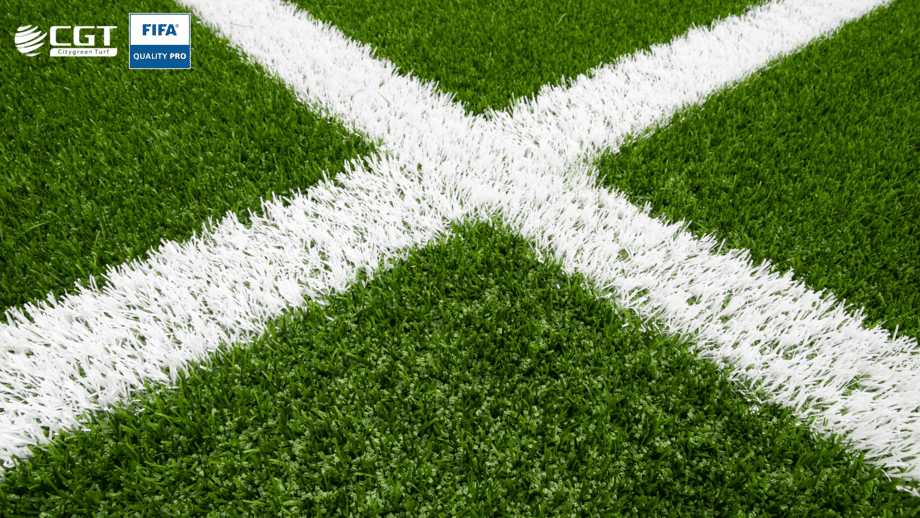
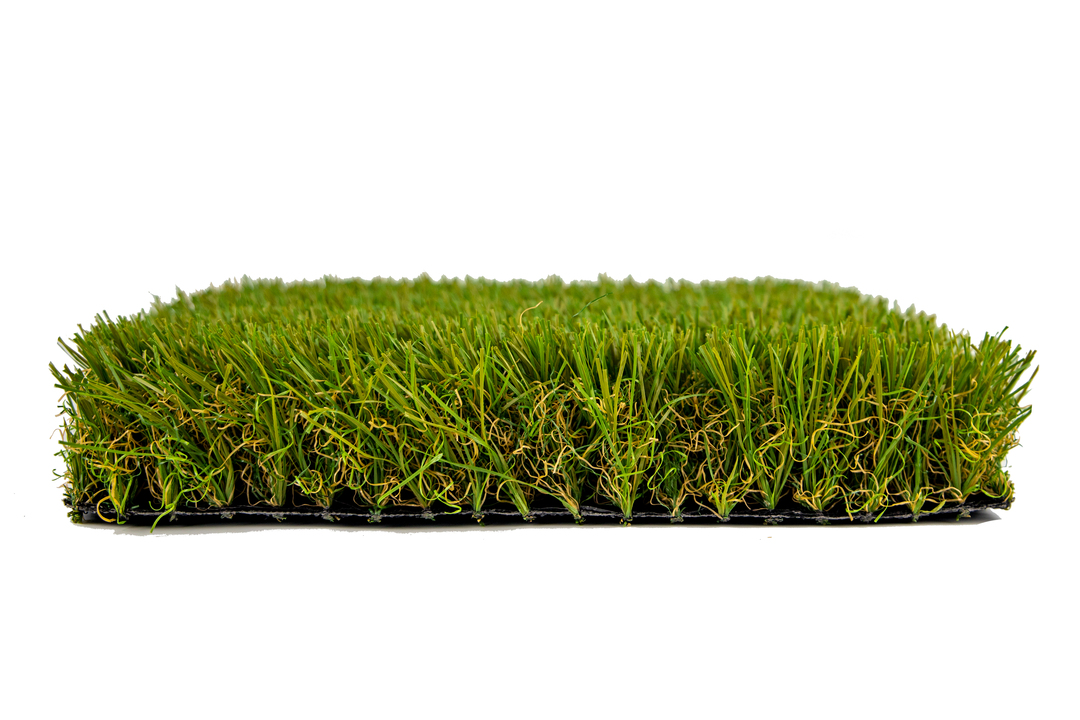
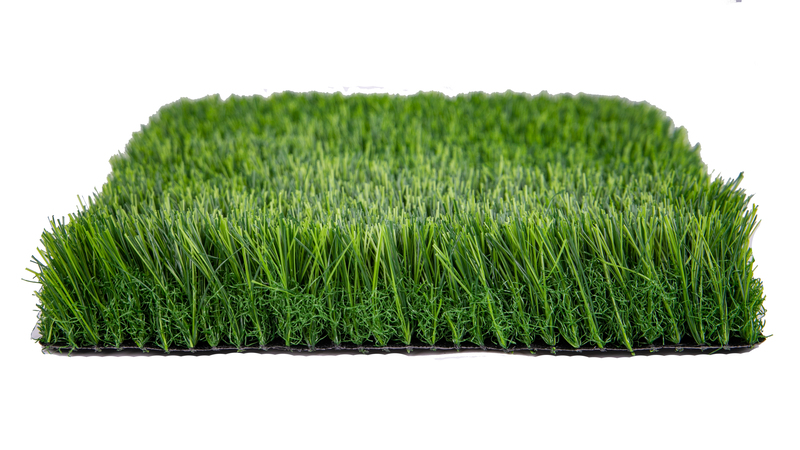
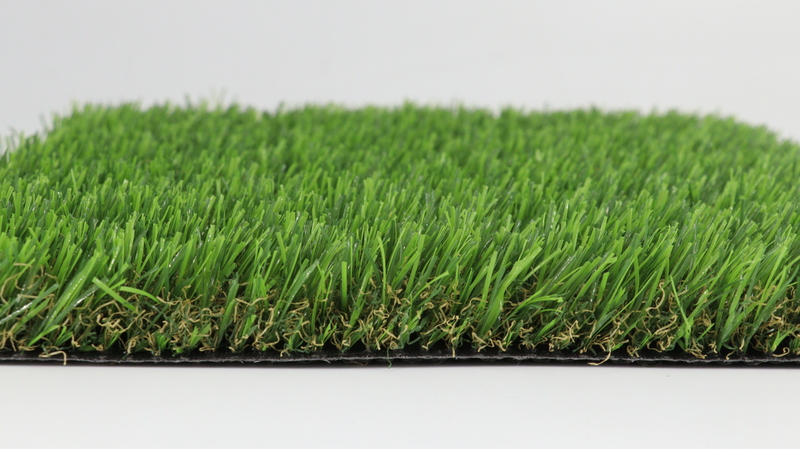
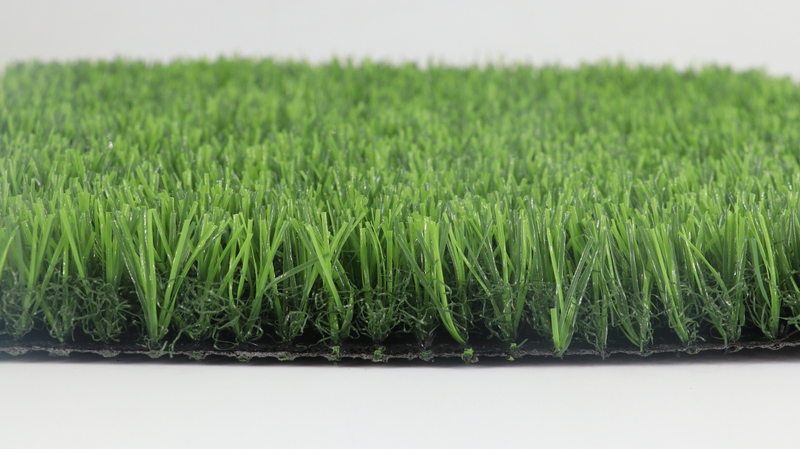
Close-up of durable CityGreen Sports artificial turf requiring no irrigation and less maintenance.
Traditional natural grass fields, while visually appealing, demand substantial water, chemical inputs, and regular labor to maintain performance standards. In contrast, sustainable sports surfaces—including advanced artificial turf systems—offer a resource-efficient alternative without compromising player safety or field quality. Sustainability in sports construction is therefore holistic: it encompasses not just the surface itself but the entire ecosystem of materials, water, energy, and maintenance practices that support long-term environmental responsibility.
Recyclable Materials in Artificial Turf Systems
Modern artificial football turf systems are increasingly incorporating recyclable and environmentally responsible materials.
Key components include:
- Recyclable synthetic fibers
High-quality polyethylene (PE) and polypropylene (PP) fibers can be designed for recyclability at the end of their lifecycle.
- Eco-friendly backing systems
Advanced backing technologies reduce material usage and improve separation for recycling.
- Recycled infill materials
Some systems utilize recycled rubber or organic infill alternatives to minimize environmental impact.
- Reduced material waste during production
Optimized manufacturing processes help lower emissions and material waste.
By integrating these elements, artificial turf systems are moving closer to a circular economy model—where materials can be reused rather than discarded.
How Our Turf Systems Reduce Environmental Impact
At CityGreen Sports, sustainability is not treated as an add-on feature—it is embedded into the entire lifecycle of our artificial turf systems, from material selection to installation and long-term use.
Our approach focuses on delivering high-performance football pitches while significantly reducing environmental impact.
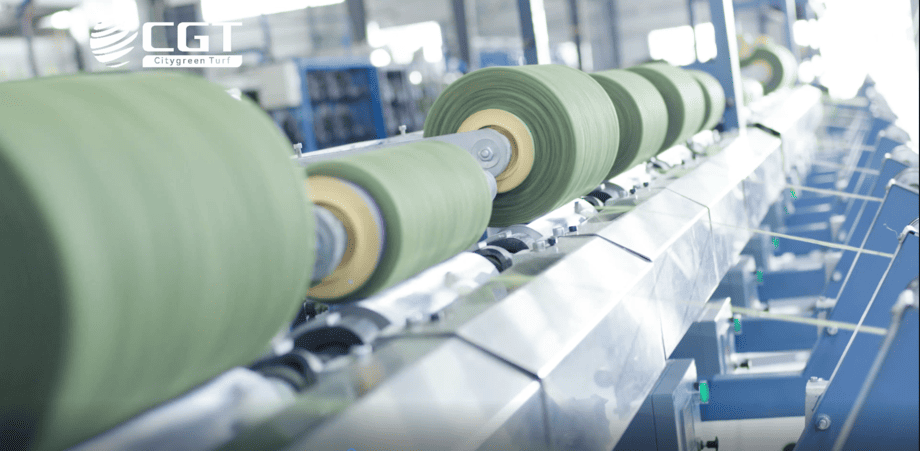
CityGreen Sports' manufacturing facility prioritizes eco-friendly polymers and optimized production for sustainable turf systems.
Water Conservation
One of the most immediate environmental benefits of artificial turf is water savings. Unlike natural grass fields that require frequent irrigation, our turf systems eliminate the need for watering, helping facilities conserve substantial amounts of water annually—especially in regions facing water scarcity.
Reduced Maintenance & Lower Emissions
Traditional grass fields demand regular mowing, fertilizing, and pesticide use. These activities not only consume resources but also contribute to carbon emissions and soil pollution.
Our artificial turf systems require minimal maintenance, reducing the need for fuel-powered equipment and eliminating harmful chemical treatments.
Long Lifecycle & Resource Efficiency
Durability is a key factor in sustainability. Our turf systems are engineered with resilient fibers and stable structural layers to withstand intensive use over many years.
A longer lifecycle means fewer replacements, reduced material consumption, and lower overall environmental impact over time.
Use of Recyclable & Responsible Materials
We prioritize the use of recyclable polymers and environmentally responsible components wherever possible. From turf fibers to backing systems, materials are selected with end-of-life recyclability in mind, supporting the transition toward a circular economy in sports construction.
Optimized Drainage & Environmental Performance
Our system designs incorporate advanced drainage structures that efficiently manage rainwater without causing soil erosion or waterlogging.
This not only improves field usability but also supports responsible water management in outdoor environments.
System-Based Design for Sustainability
Rather than focusing on individual products, we deliver fully integrated turf systems where each layer—from base construction to infill—works together to optimize performance and sustainability.
This system-based approach ensures better durability, consistent playing conditions, and more efficient use of materials throughout the field's lifespan.
Conclusion: The Future of Sustainable Sports Surfaces
As sustainability continues to shape the future of construction and infrastructure, sports facilities are following the same path.
Artificial football pitches are no longer just about performance—they are about responsibility. By incorporating recyclable materials, reducing resource consumption, and extending lifecycle value, modern turf systems play a key role in sustainable development.
Looking ahead, innovations in material science, recycling technologies, and system design will further enhance the environmental benefits of artificial turf.
Sustainable football pitches are not just a trend—they are the future of sports construction.