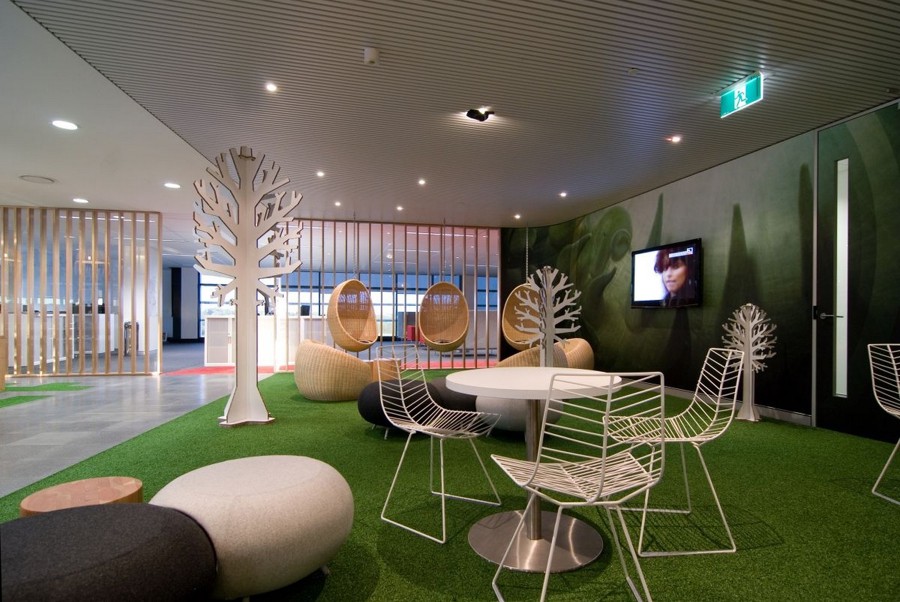
Artificial grass is no longer limited to sports facilities and residential landscaping. Across modern commercial environments, synthetic turf has become an increasingly popular design and functional solution for shopping malls, rooftop spaces, hospitality projects, public landscapes, office environments, and mixed-use developments.
As commercial spaces continue evolving toward more experience-oriented and visually engaging environments, artificial grass offers a practical way to introduce greenery, improve spatial atmosphere, and reduce long-term maintenance requirements without the operational limitations of natural lawn systems.
Today, commercial artificial grass is widely used not only for aesthetic enhancement but also for branding, customer interaction, social gathering areas, and long-term operational efficiency.
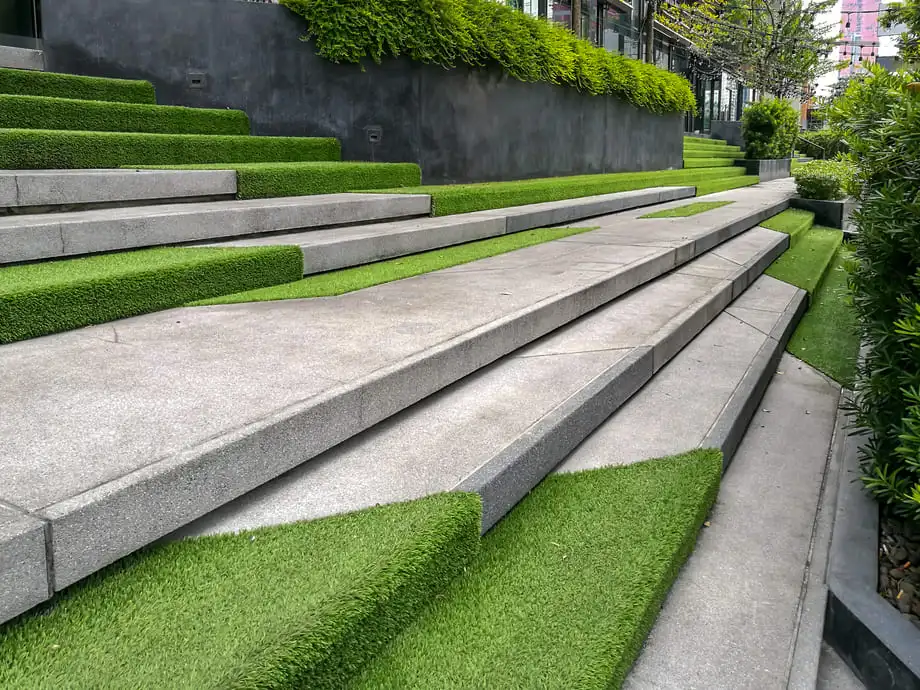
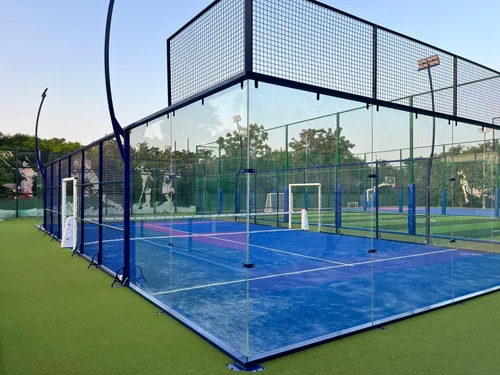
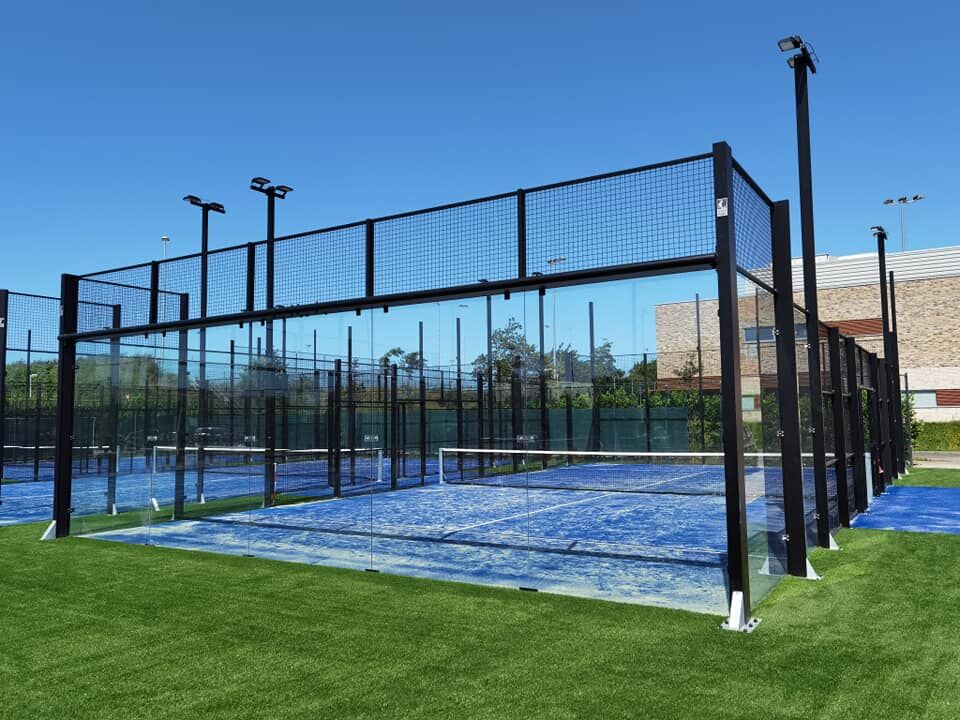
commercial artificial grass landscape design for retail and hospitality projects
Why Commercial Spaces Are Increasingly Using Artificial Grass
Modern commercial environments face growing pressure to balance visual appeal, durability, maintenance efficiency, and user experience. Traditional landscaping solutions often struggle to meet these demands, especially in high-traffic or structurally complex areas.
Artificial grass provides a more adaptable solution across a wide range of commercial scenarios.
In shopping malls and retail developments, synthetic turf is increasingly used to soften architectural environments and create more welcoming public spaces. Green landscape elements help improve visual comfort while encouraging longer visitor dwell time within commercial areas.
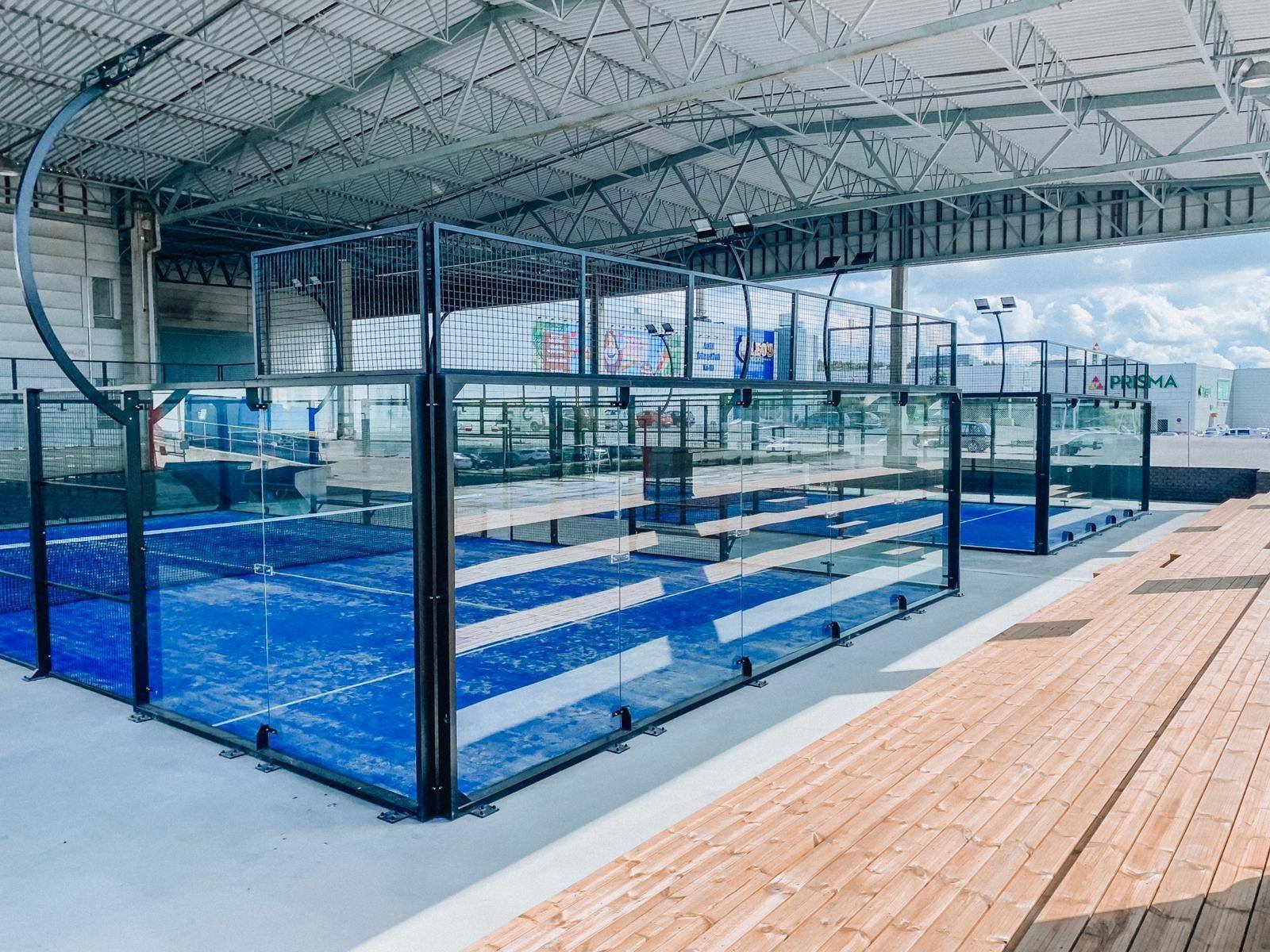
Rooftop environments have also become one of the fastest-growing applications for artificial grass systems. Compared with natural lawn installations, artificial turf significantly reduces structural load, irrigation requirements, drainage complications, and ongoing maintenance demands. This makes it highly suitable for rooftop lounges, outdoor dining zones, event spaces, and urban recreational terraces.
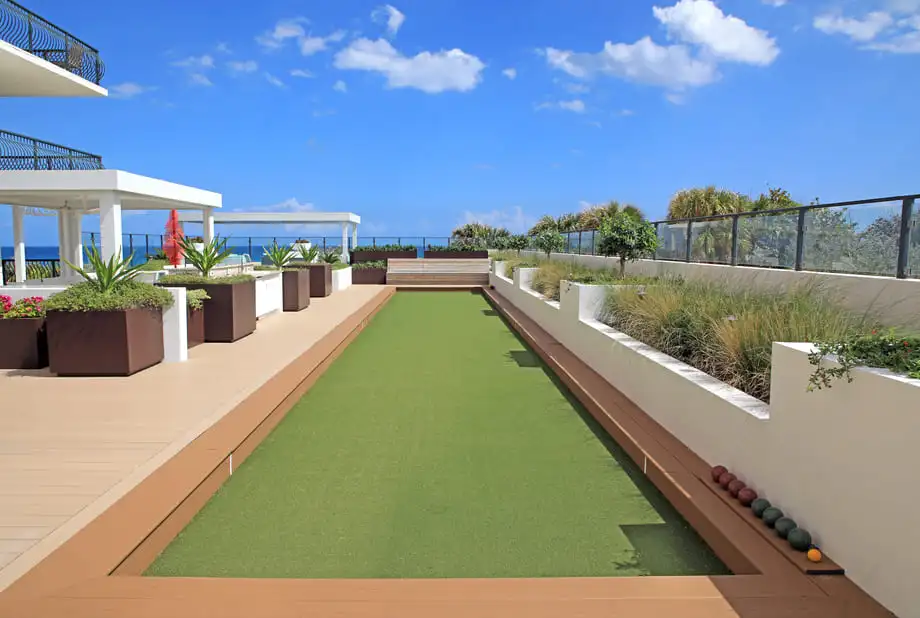
artificial grass rooftop lounge design for commercial buildings
In public commercial spaces, artificial grass is frequently integrated into pedestrian zones, open plazas, exhibition areas, and mixed-use developments where durability and visual consistency are essential throughout the year.
As commercial architecture increasingly prioritizes multifunctional outdoor environments, artificial grass has become part of a broader trend toward low-maintenance and experience-driven landscape design.
Core Benefits of Artificial Grass in Commercial Projects
One of the main reasons commercial developers choose artificial grass is its ability to maintain a clean and visually attractive appearance with minimal operational intervention.
Unlike natural grass, synthetic turf does not require irrigation, mowing, fertilization, or seasonal recovery periods. This significantly reduces long-term maintenance costs while ensuring consistent visual presentation across all seasons.
For high-traffic commercial environments, durability also becomes a major advantage. Commercial-grade artificial grass systems are designed to withstand continuous pedestrian activity without severe surface deterioration, mud formation, or patchy growth issues commonly associated with natural lawn areas.
Long-term operational efficiency is another important factor. In many commercial projects, maintenance downtime directly affects visitor experience and space usability. Artificial grass allows commercial operators to maintain attractive outdoor environments with far less disruption to daily operations.
Beyond functionality, artificial grass also contributes to spatial atmosphere and brand perception. Green surfaces help create more relaxed, lifestyle-oriented environments that align with modern retail, hospitality, and mixed-use design trends.
CGT's commercial artificial grass systems are typically developed with both design integration and long-term operational durability in mind. Different commercial environments require different performance priorities, whether focused on aesthetics, pedestrian traffic resistance, rooftop weight considerations, or event-oriented flexibility.
Design Applications for Commercial Artificial Grass
The versatility of artificial grass allows it to support a wide range of commercial design concepts.
In landscape decoration projects, synthetic turf is often used to create visually softer transitions between architectural structures and outdoor environments. It can be integrated into pathways, seating zones, relaxation areas, and decorative landscape compositions where consistent greenery is desired throughout the year.
Brand-oriented commercial spaces increasingly use artificial grass as part of experiential design strategies. Retail activations, pop-up exhibitions, sports-themed campaigns, and lifestyle events frequently incorporate turf surfaces to create a stronger visual identity and customer engagement.
Interactive public areas are another growing application. Artificial grass is commonly installed in children’s play zones, outdoor gathering spaces, temporary event installations, and social interaction areas where safety, comfort, and durability are important.
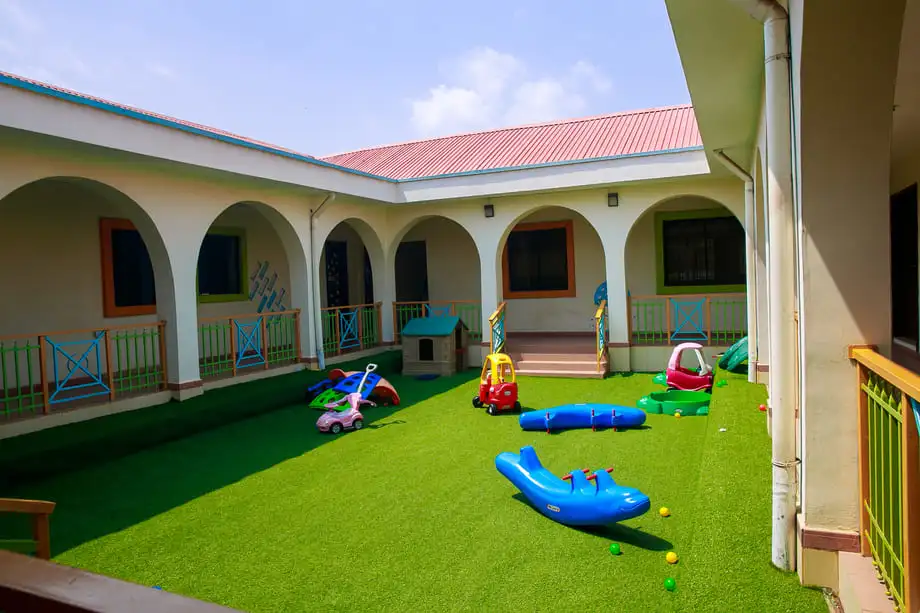
commercial artificial grass for children's playground and public spaces
Compared with traditional hardscape materials, turf surfaces often create a more approachable and human-centered spatial experience, particularly in urban commercial developments seeking to improve public engagement.
Many modern hospitality and mixed-use projects also use artificial grass to enhance rooftop lounges, café terraces, poolside areas, and outdoor social environments where natural landscaping may be difficult to maintain consistently.
How to Choose the Right Artificial Grass for Commercial Use
Selecting the appropriate artificial grass system depends heavily on the intended commercial application.
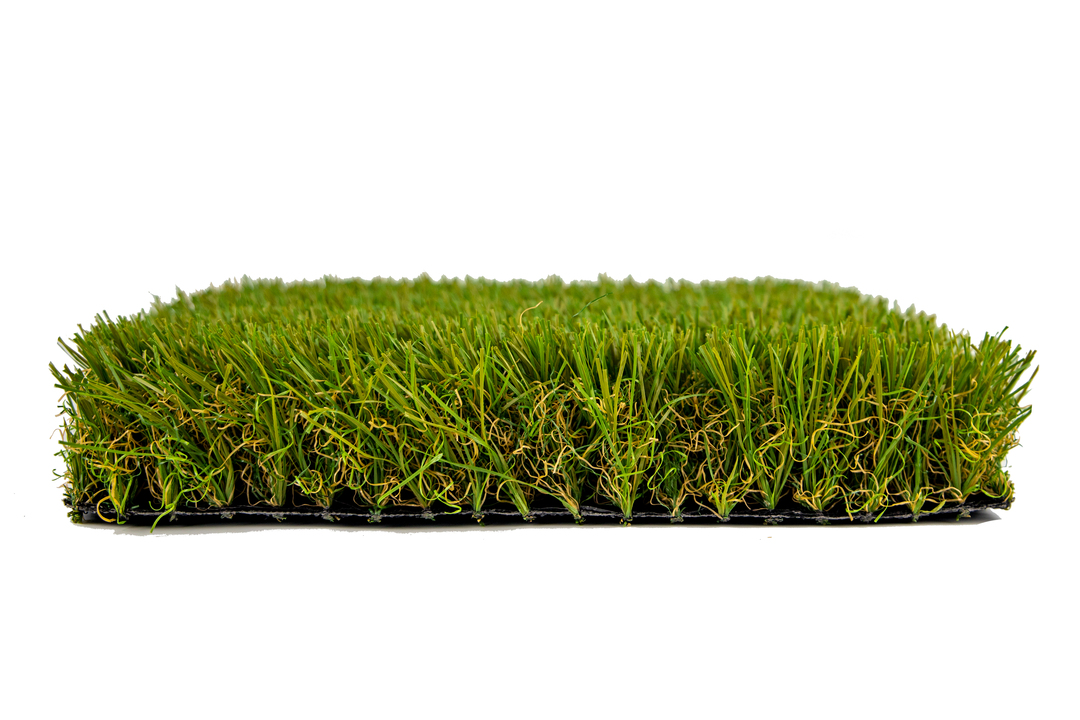
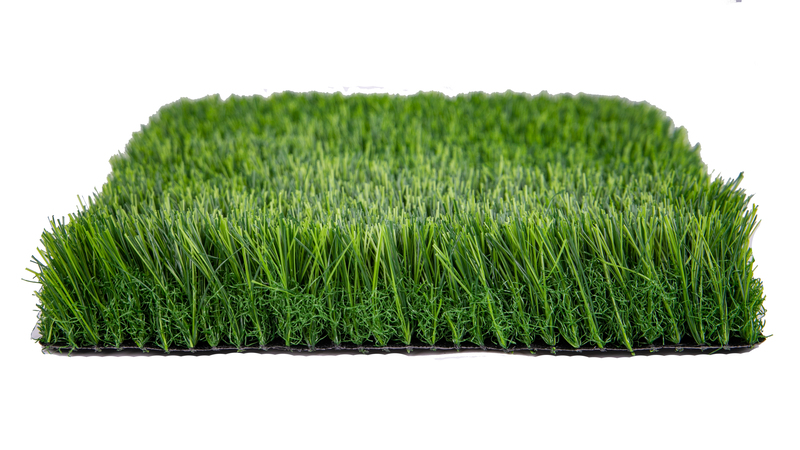
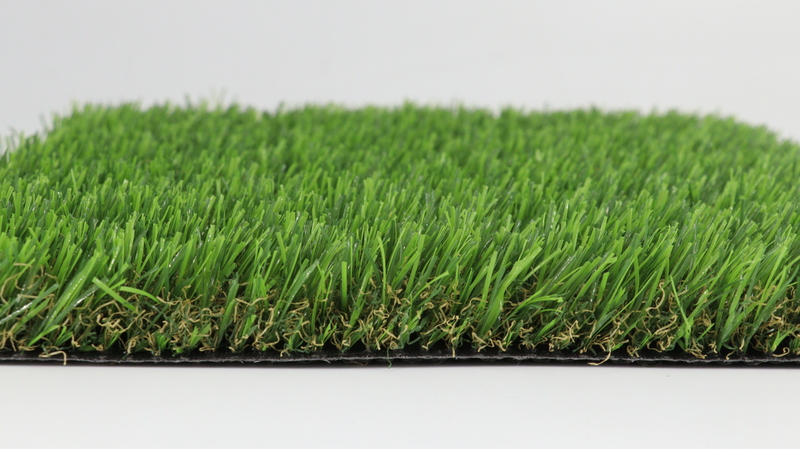
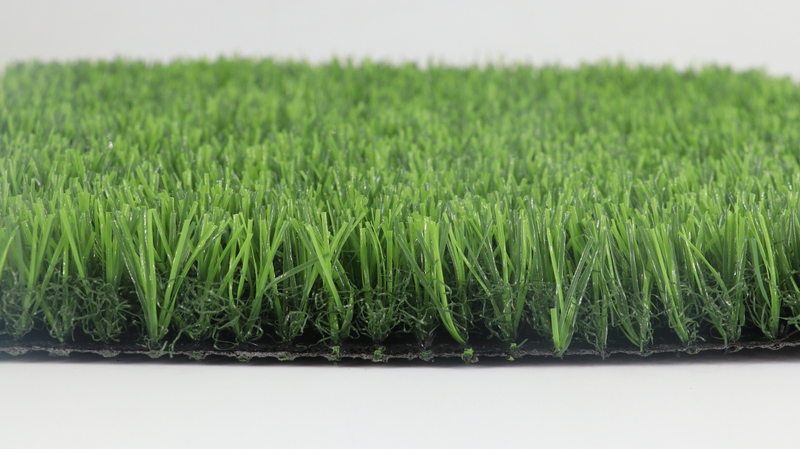
Grass height plays a major role in determining both visual style and functional performance. Shorter turf systems generally create a cleaner and more contemporary appearance suitable for retail environments and public walkways, while medium-height turf often provides a softer and more natural aesthetic for leisure-oriented spaces.
Density also directly affects visual fullness, comfort, and durability. Higher-density systems usually offer better resilience and long-term appearance retention under continuous foot traffic.
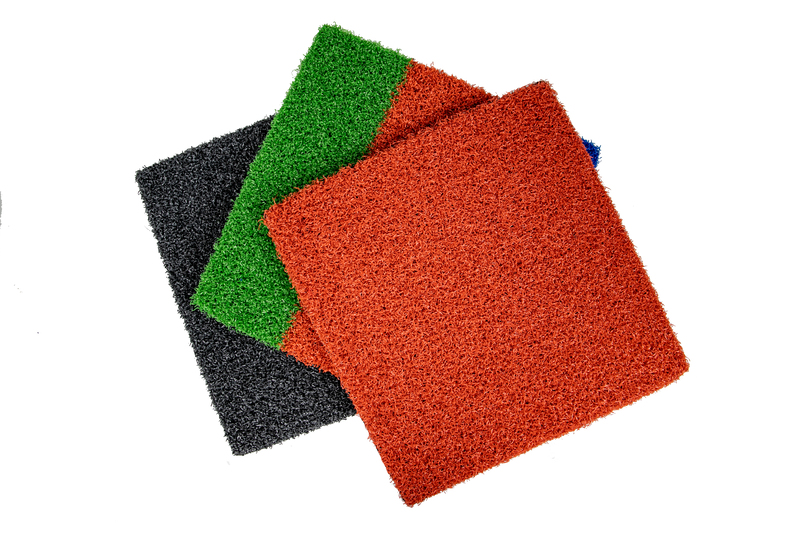
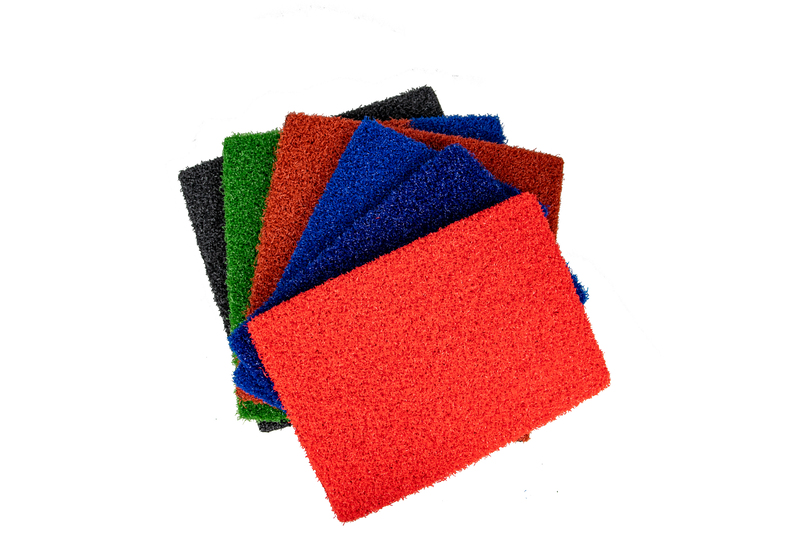
Color selection has become increasingly important in commercial landscape design as well. Modern artificial grass systems now include multiple yarn tones and natural color variations that help create more realistic visual depth while matching different architectural styles.
For rooftop and public commercial projects, additional factors such as drainage efficiency, UV resistance, fire performance, and installation structure should also be carefully evaluated during the system selection process.
Rather than relying solely on standard product specifications, successful commercial turf projects often require system customization according to actual operational and architectural conditions.
Commercial Artificial Grass Solutions
Commercial projects often require more than simply supplying artificial grass products. Long-term success depends on how well the turf system integrates with architecture, circulation planning, maintenance expectations, and user behavior.
At CGT, commercial artificial grass solutions are developed through a system-oriented approach that considers both design aesthetics and operational practicality.
From rooftop leisure environments and retail plazas to hospitality landscapes and branded public installations, each project is evaluated according to traffic intensity, environmental exposure, visual goals, and long-term maintenance requirements.
Our commercial systems are designed to support stable visual performance, structural reliability, and long-term usability across a wide range of commercial environments.
By combining material engineering, project experience, and installation precision, commercial turf spaces can achieve not only a stronger visual impact but also greater operational efficiency over time.
Conclusion
Artificial grass has become an increasingly valuable solution for modern commercial environments seeking to balance aesthetics, durability, operational efficiency, and user experience.
From shopping malls and rooftop lounges to public interaction zones and branded commercial spaces, synthetic turf continues expanding beyond traditional landscaping applications into broader architectural and experiential design strategies.
Whether for retail, hospitality, mixed-use, or public landscape applications, selecting the right artificial grass system can significantly improve both the visual quality and long-term operational performance of a commercial project.