The Growing Use of Artificial Grass in Landscaping
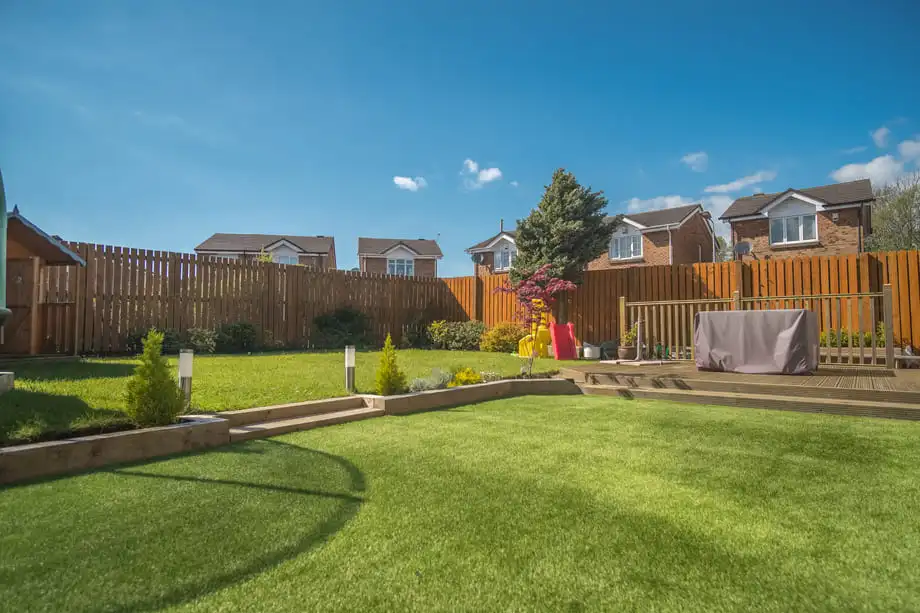
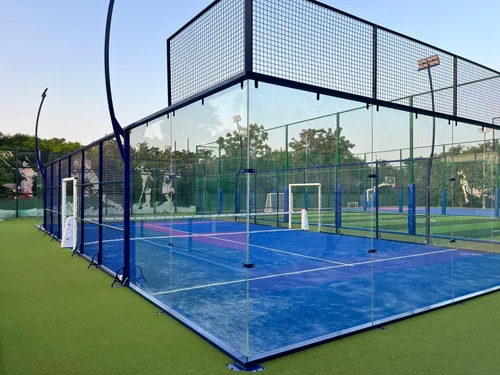
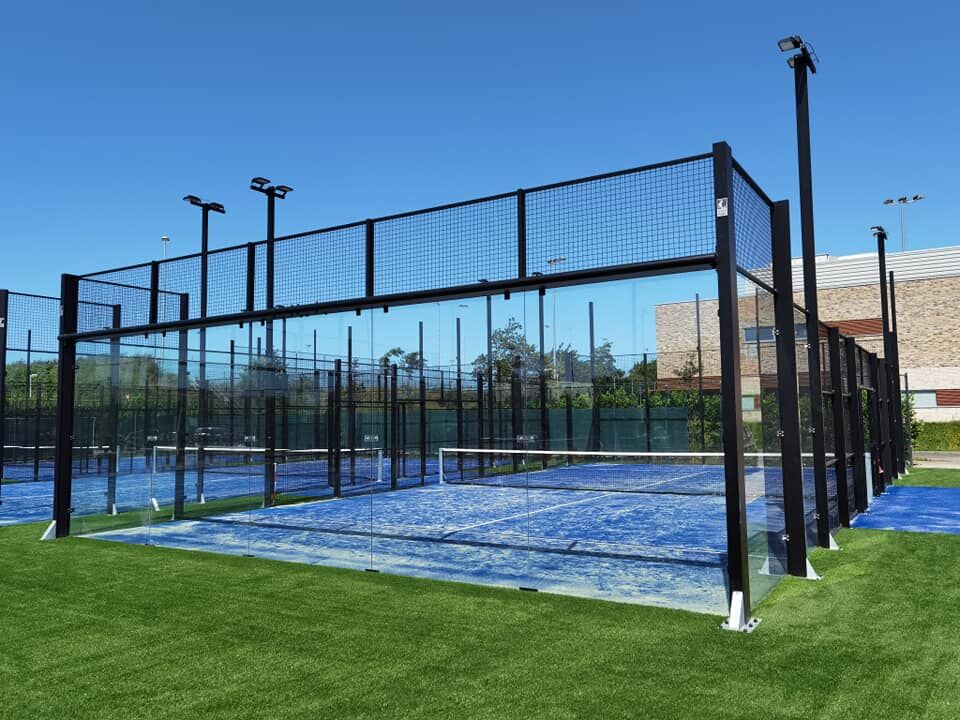
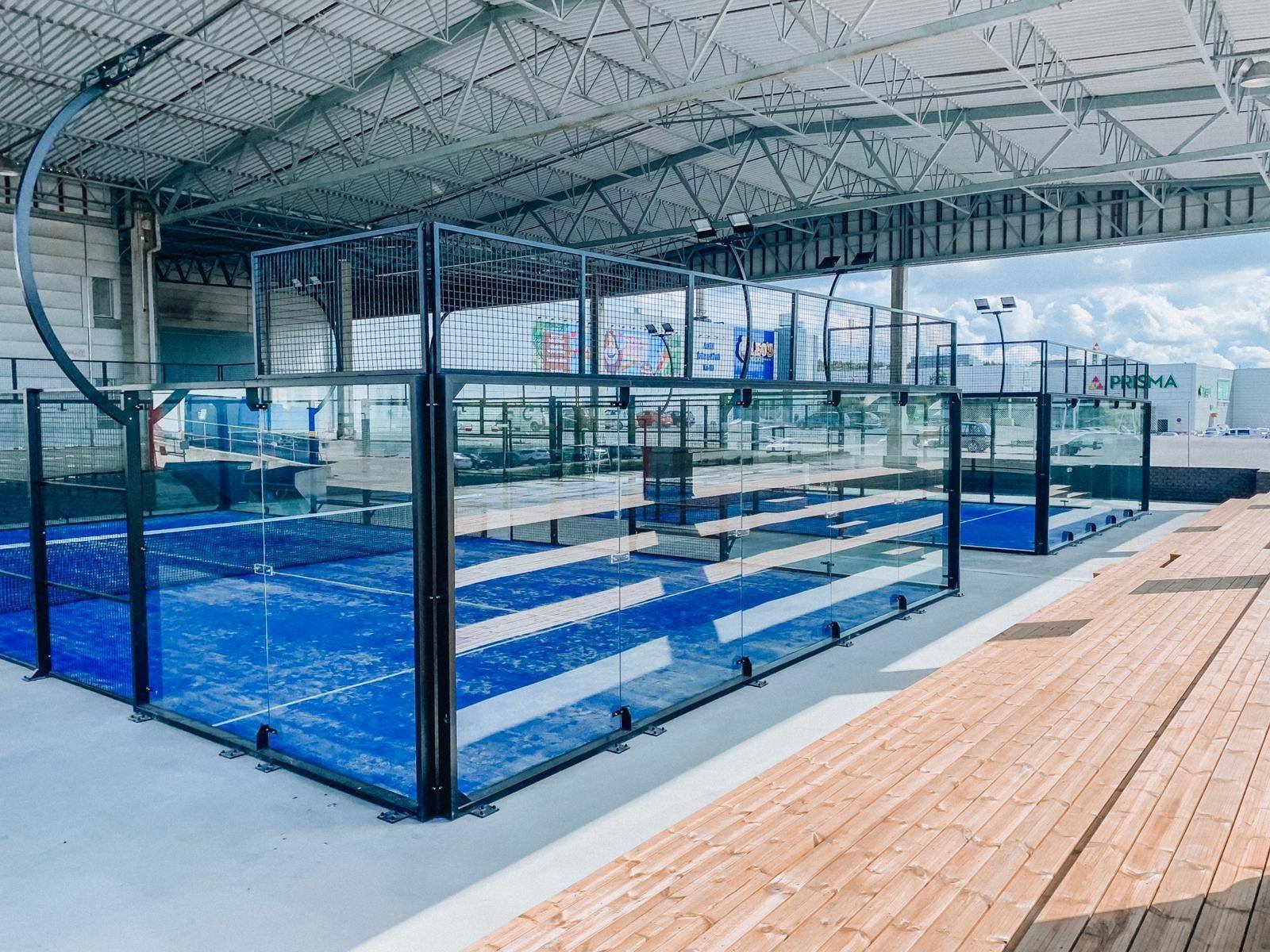
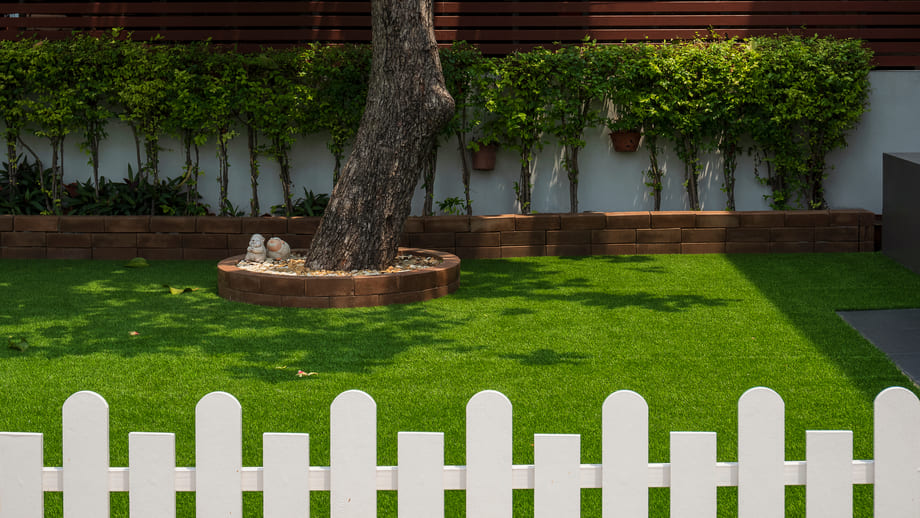
artificial grass landscaping applications in residential garden, commercial plaza and rooftop terraces
Artificial grass is no longer limited to sports fields—it has become a widely adopted solution in modern landscape design. From residential gardens and commercial plazas to rooftop terraces and public spaces, artificial turf is now used across a broad range of applications.
This growth is largely driven by increasing demand for low-maintenance, water-efficient landscaping solutions. Compared to natural grass, artificial turf offers a consistently green appearance throughout the year without the need for mowing, watering, or fertilizing. It is especially beneficial in regions with water restrictions or high maintenance costs.
At the same time, continuous improvements in turf technology have made artificial grass more realistic in both appearance and texture. As a result, it is increasingly favored not only for functional use but also for enhancing the visual appeal of landscape projects.
Different Applications Require Different Specifications
Not all artificial grass products are designed for the same purpose. Selecting the right turf requires a clear understanding of how the space will be used, as different applications place very different demands on performance, durability, and appearance.
For example, residential lawns and decorative landscapes typically prioritize a natural look, soft touch, and comfort underfoot. In contrast, commercial areas, playgrounds, and public spaces require higher durability, better wear resistance, and stronger structural stability to withstand heavy foot traffic. Rooftop installations may also require lightweight systems and enhanced drainage performance.
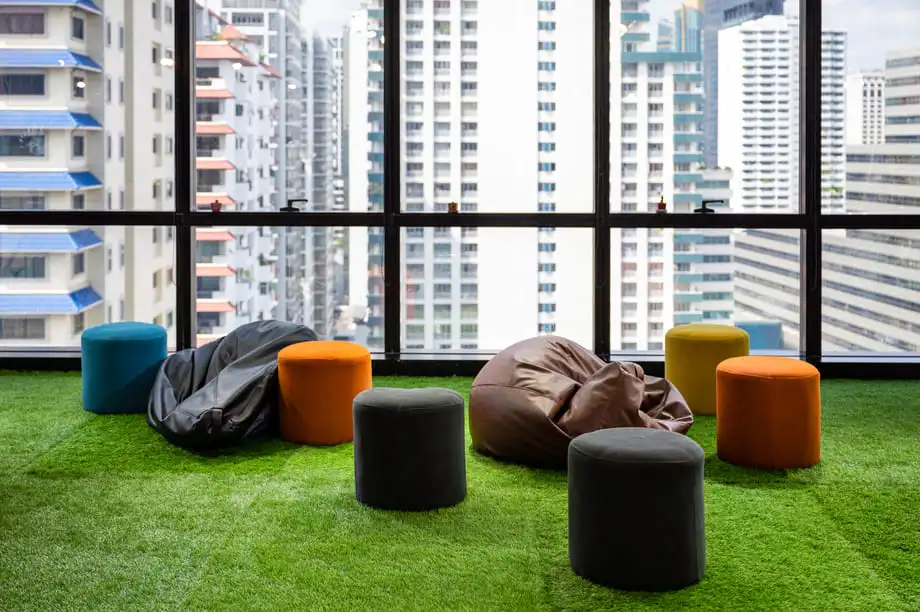
artificial turf installation in commercial plaza and public landscape with heavy foot traffic
To make the right choice, it is essential to evaluate several core technical parameters:
- Pile height – affects both appearance and usability
- Density – determines fullness and durability
- Dtex – indicates fiber thickness and strength
- Backing system – impacts stability and drainage
- Infill options – influence performance and comfort
Balancing these factors ensures that the artificial grass not only looks good initially but also performs reliably over time. A well-matched specification can significantly extend the lifespan of the installation and reduce long-term maintenance costs.
Fiber Quality (Grass Yarn)
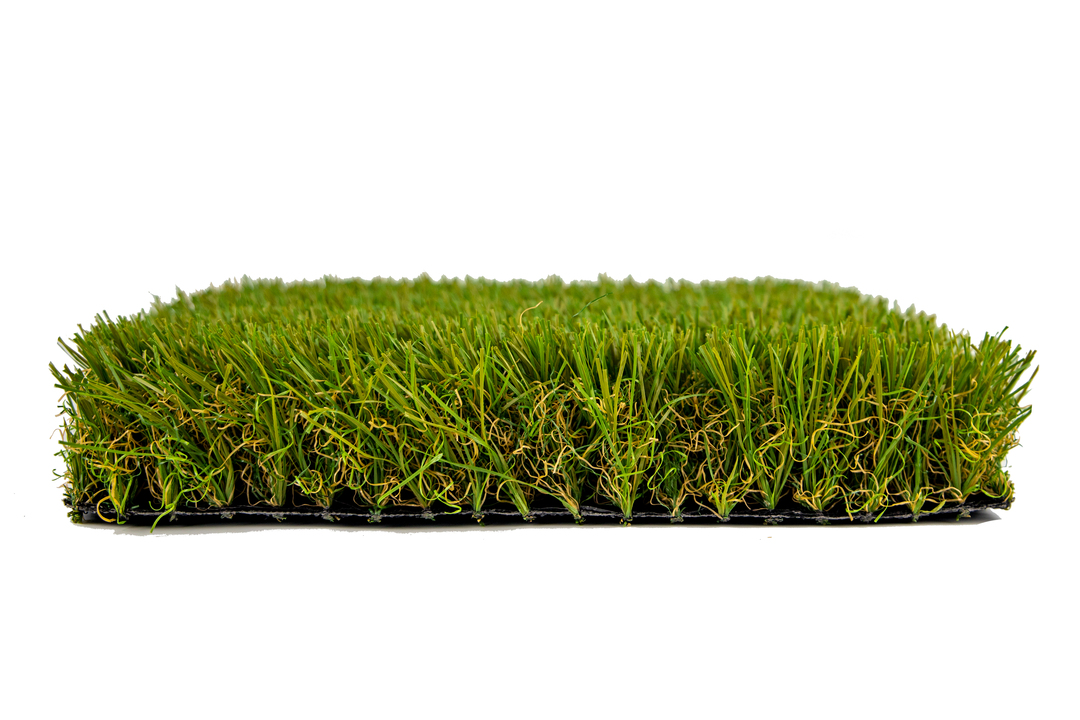
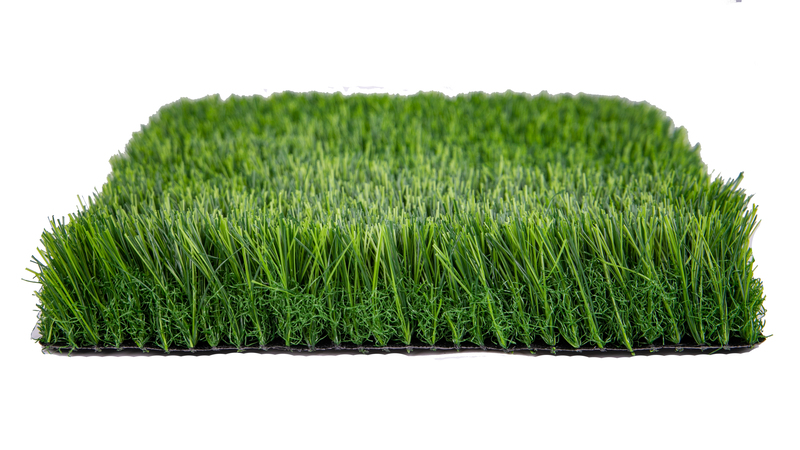
The quality of the grass fiber directly affects both the appearance and durability of artificial turf. High-quality fibers maintain their color, resilience, and shape over time.
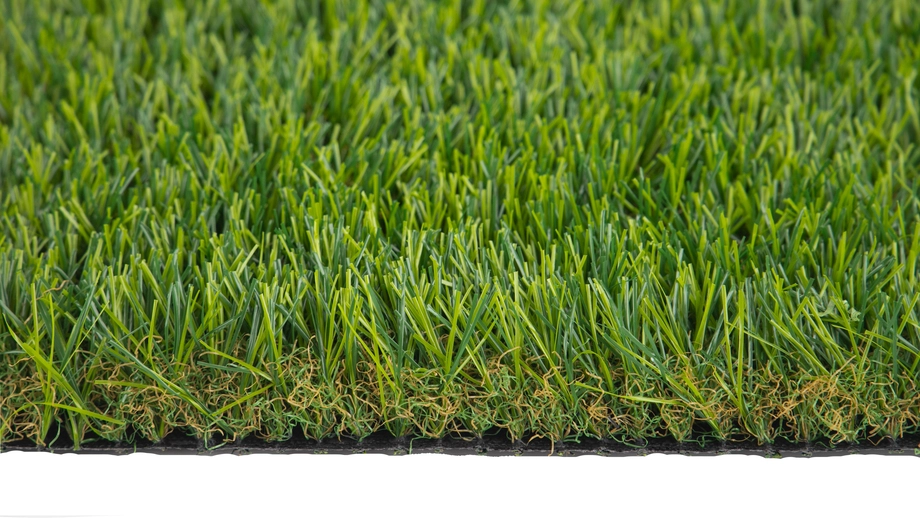
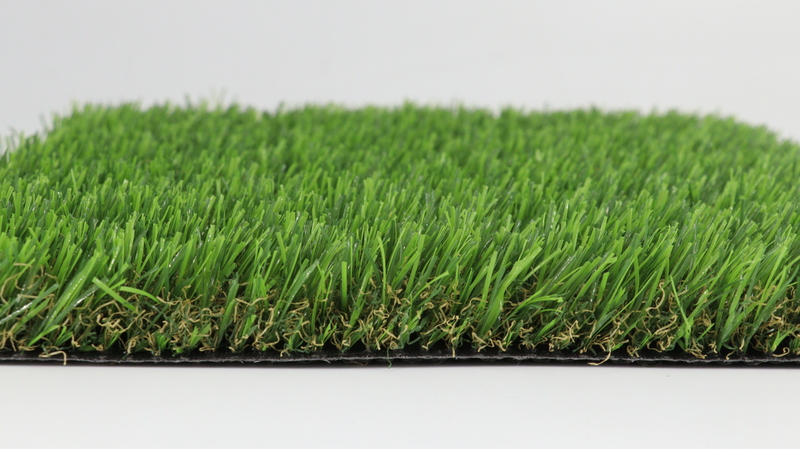
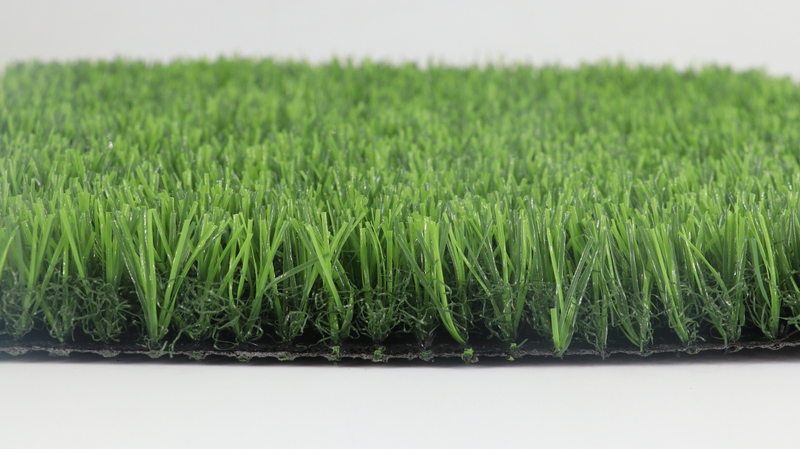
A close-up of artificial grass yarn showing fiber structure and durability
Key considerations include:
- Material type (PE, PP, or nylon)
- Shape and structure (C-shape, S-shape, diamond, etc.)
- Softness vs. stiffness balance
Premium PE fibers are typically preferred for landscaping because they provide a more natural look and a softer feel underfoot. Advanced yarn technologies also improve recovery performance, helping the grass blades stay upright even after heavy use.
Drainage Performance
Effective drainage is critical, especially in outdoor landscape applications exposed to rain or irrigation.
A well-designed artificial grass system should feature:
- Perforated backing with efficient water flow
- Drainage capacity of at least 30–60 liters/min/m²
- Compatibility with a properly prepared sub-base
Poor drainage can lead to water accumulation, unpleasant odors, and reduced lifespan of the turf system. Ensuring proper installation and drainage design is just as important as selecting the turf itself.
UV Resistance
Since landscape grass is constantly exposed to sunlight, UV resistance is a key factor in maintaining long-term appearance.
High-quality artificial grass should include:
- UV-stabilized fibers
- Colorfast technology to prevent fading
- Proven weather resistance in different climates
Without proper UV protection, turf can quickly lose its color and structural integrity, especially in regions with strong sun exposure.
Safety and Environmental Considerations
Safety is particularly important for residential areas, playgrounds, and public spaces.
Look for artificial grass products that offer:
- Non-toxic and lead-free materials
- Compliance with international safety standards
- Optional shock-absorbing layers for added protection
Additionally, environmentally friendly options—such as recyclable materials or reduced microplastic shedding—are becoming increasingly important in sustainable landscape design.
Low Maintenance Requirements
One of the main reasons people choose artificial grass is its low maintenance. However, not all products perform equally over time.
A high-quality system should:
- Require minimal brushing and cleaning
- Resist flattening and matting
- Maintain performance with limited upkeep
While artificial grass eliminates mowing and watering, occasional maintenance is still needed to keep it clean and visually appealing.
Conclusion
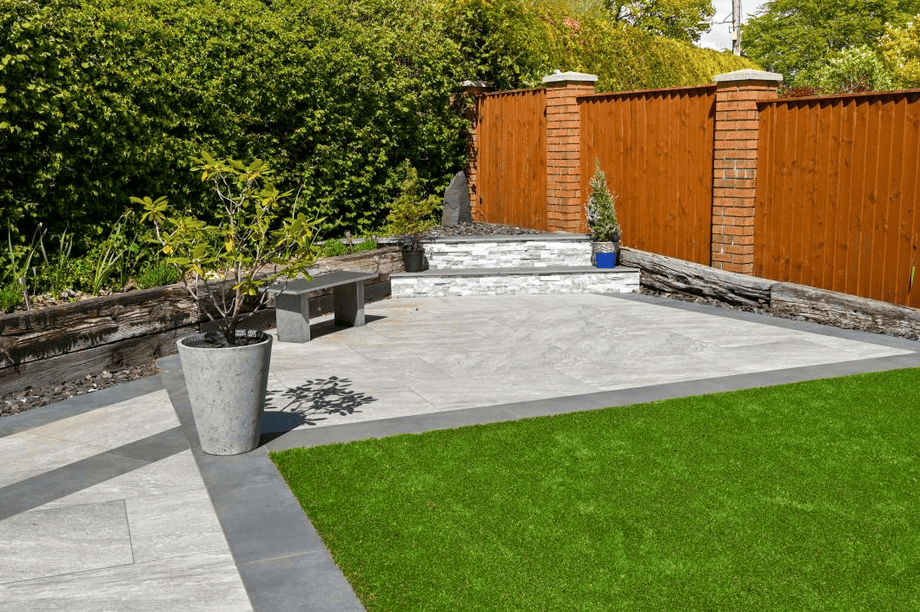
Choosing the right artificial grass for landscape projects involves more than just appearance. Factors such as fiber quality, drainage, UV resistance, safety, and maintenance all play a crucial role in long-term performance.
By understanding these key considerations and matching the product to the specific application, you can ensure a durable, attractive, and cost-effective landscaping solution that delivers value for years to come.