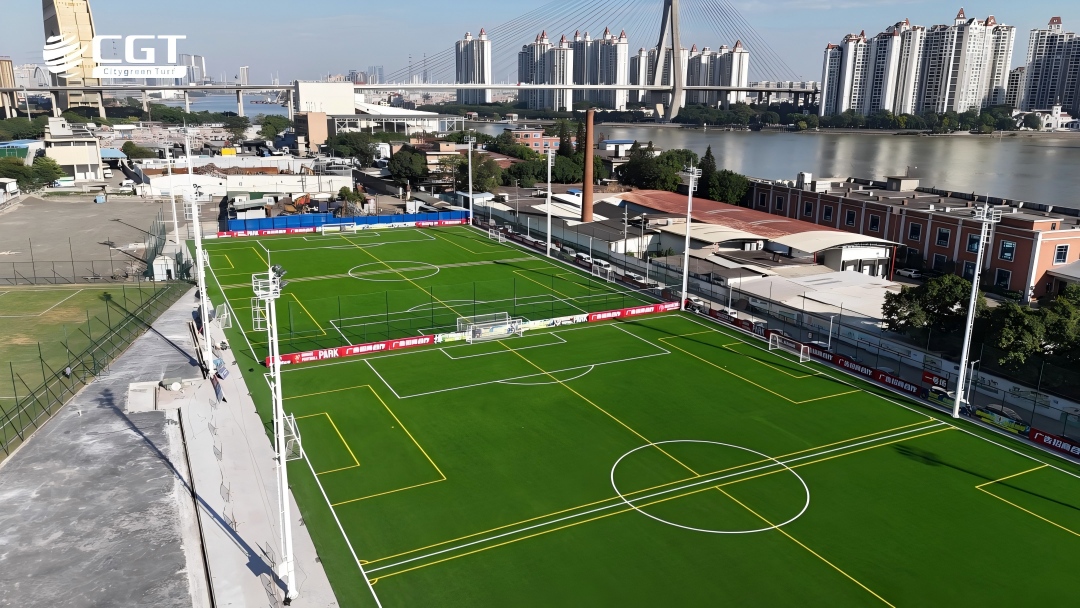
Installing an artificial turf football field involves much more than laying synthetic grass. A complete project requires proper site preparation, foundation construction, drainage planning, turf system selection, and professional installation to achieve long-term performance.
Artificial turf football fields have become a popular choice for sports clubs, schools, municipalities, and commercial developments due to their durability, consistent playing performance, and lower maintenance requirements compared with natural grass fields.
However, building a high-quality artificial football field is not simply about installing synthetic grass on the ground. A professional football pitch requires a complete system that includes site preparation, foundation construction, drainage design, turf selection, installation techniques, and quality control.
A well-planned artificial turf football field installation process directly affects player safety, ball performance, field lifespan, and long-term operating costs.
This guide explains the key steps involved in artificial football pitch construction and what project owners should consider before starting a sports facility project.
Why Installation Quality Matters for Artificial Football Fields
The performance of an artificial football field depends on the entire turf system, not only the artificial grass surface.
A professionally constructed football pitch should provide:
1. Consistent ball roll and ball rebound performance
2. Suitable shock absorption and player comfort
3. Effective drainage during heavy rainfall
4. Stable surface structure under intensive use
5. Long-term durability with reduced maintenance needs
Poor installation practices, such as insufficient foundation preparation, incorrect drainage design, or improper turf installation, can lead to problems including uneven surfaces, water accumulation, loose seams, and reduced playing performance.
For sports facilities that experience frequent training sessions, competitions, or community use, selecting an experienced artificial turf football field installation partner is essential to ensure the project meets performance expectations.
Step 1: Site Evaluation and Project Planning
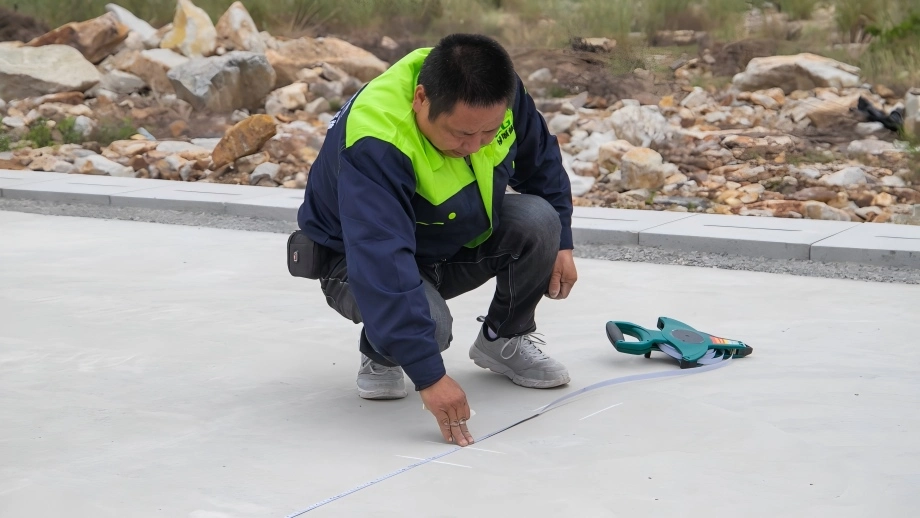
Site evaluation for artificial turf football field installation before construction
Before construction begins, the first step is a detailed evaluation of the project site.
The site assessment usually includes:
Ground Conditions
Engineers need to evaluate:
1. Existing soil conditions
2. Ground stability
3. Elevation differences
4. Local climate and rainfall conditions
Different ground conditions may require different foundation solutions to ensure long-term stability.
Field Dimensions and Usage Requirements
The design should consider the intended application, including:
1. Professional competition fields
2. Football training centers
3. School sports facilities
4. Community football pitches
5. Multi-purpose sports fields
The expected usage frequency will influence the selection of turf system, shock pad requirements, and maintenance planning.
Drainage Planning
Proper drainage design is one of the most important parts of artificial football pitch construction.
A complete drainage system helps remove rainwater quickly and keeps the field available for use in different weather conditions.
Step 2: Base Construction and Drainage System
The foundation layer is the backbone of an artificial football field. Unlike natural grass fields, artificial turf does not recover naturally after use, which means the stability and drainage performance of the base structure directly affect field performance and lifespan.
A professional artificial football field base usually includes several layers working together:
Subgrade Preparation
The existing ground needs to be leveled, compacted, and prepared to create a stable construction platform. Proper subgrade preparation helps prevent future settlement and uneven surfaces.
Aggregate Base Layer
The aggregate layer provides structural support, improves load distribution, and creates a stable foundation for turf installation. The design of this layer may vary depending on soil conditions, climate, and project requirements.
Drainage System
A reliable drainage system is essential for outdoor football fields, especially in areas with heavy rainfall or tropical climates.
Common drainage solutions include:
1. Perforated drainage pipes
2. Drainage channels
3. Permeable base systems
A well-designed artificial football field drainage system helps remove rainwater efficiently and keeps the surface playable in different weather conditions.
Shock Absorption Layer
For professional training facilities and high-level football projects, a shock pad layer can be integrated beneath the turf system to improve impact absorption, player safety, and long-term surface performance.
Step 3: Choosing the Right Artificial Turf System
A high-performance artificial football field is not determined by artificial grass alone. The turf system needs to be designed according to project requirements, including playing level, usage frequency, climate conditions, and safety expectations.
A complete football turf system usually consists of multiple components working together, including artificial turf, infill, shock pad, and supporting layers.
Artificial Turf
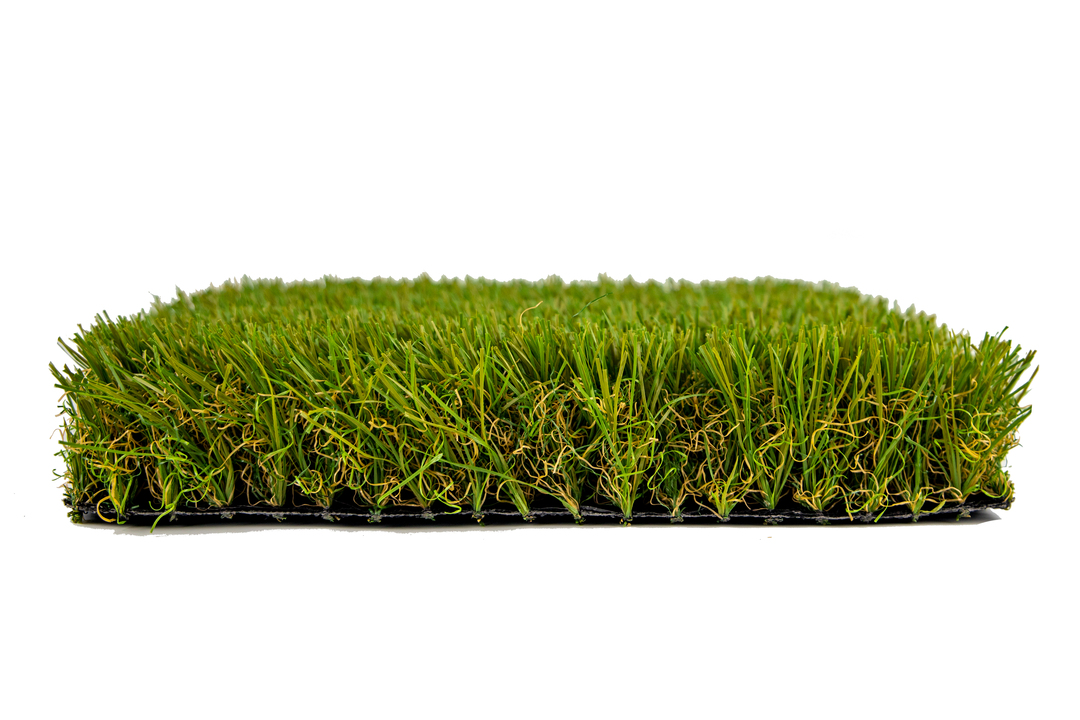
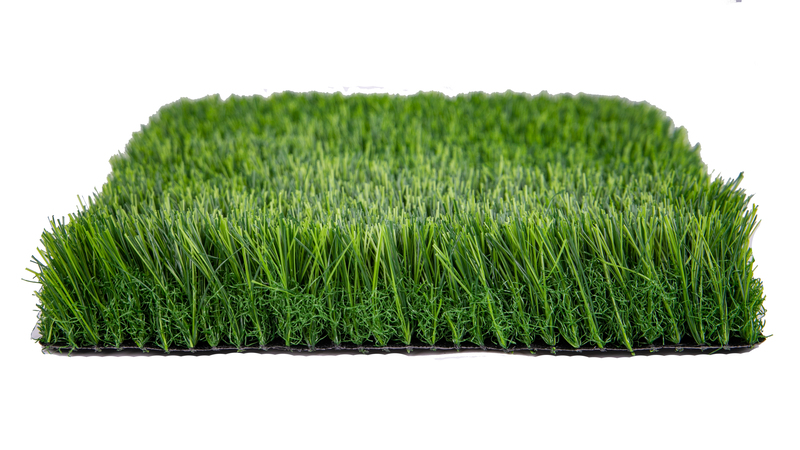
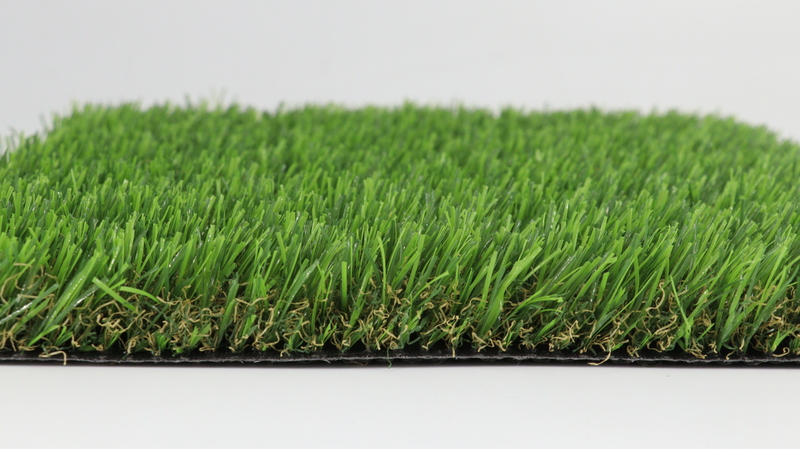
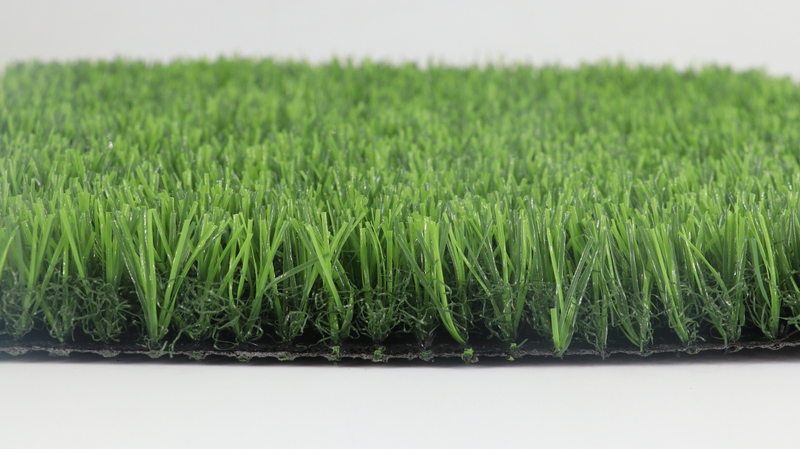
The artificial turf is the most visible part of a football field and directly affects playing performance, durability, and maintenance requirements.
When selecting football turf, project owners should consider several key factors, including:
1. Fiber structure – affects fiber resilience, surface stability, and long-term appearance
2. Pile height – influences ball interaction and overall playing experience
3. Density – determines surface coverage and durability under frequent use
4. Yarn durability – impacts resistance to wear and repeated play
5. UV resistance – ensures better performance in outdoor environments with prolonged sunlight exposure
Different football turf systems are designed for different usage requirements. For example, professional training facilities require stronger fiber structures and higher durability, while community fields may focus more on cost efficiency and long-term maintenance.
Infill System
Many artificial football fields use infill materials to support turf performance.
Common infill options include:
1. Sand
2. Rubber granules
3. Organic infill alternatives
The infill system helps stabilize the fibers, improve shock absorption, and provide a more natural playing experience.
Shock Pad System
For higher-level football facilities, shock pads can be integrated beneath the turf system.
Shock pads help improve:
1. Player safety
2. Impact absorption
3. Long-term surface performance
For FIFA projects, the complete system performance, including turf, infill, and shock pad, needs to meet specific testing requirements.
Step 4: Turf Laying, Seaming and Line Marking
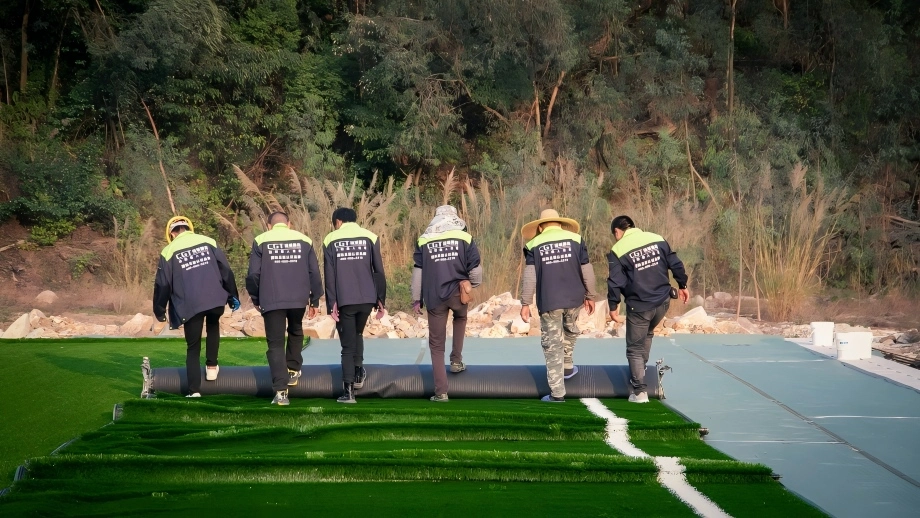
Artificial turf installation process for professional football field construction
After the foundation and system preparation are completed, artificial turf installation begins.
Turf Roll Installation
Artificial grass rolls are carefully positioned according to the field layout.
During installation, attention should be given to:
1. Fiber direction consistency
2. Roll alignment
3. Surface flatness
Incorrect positioning can affect the appearance and playing performance of the field.
Seaming and Joint Connection
Adjacent turf rolls are connected using professional seaming techniques.
High-quality installation requires:
1. Accurate cutting
2. Strong seam bonding
3. Proper adhesive application
Weak seams may cause separation or surface damage during frequent use.
Football Line Marking
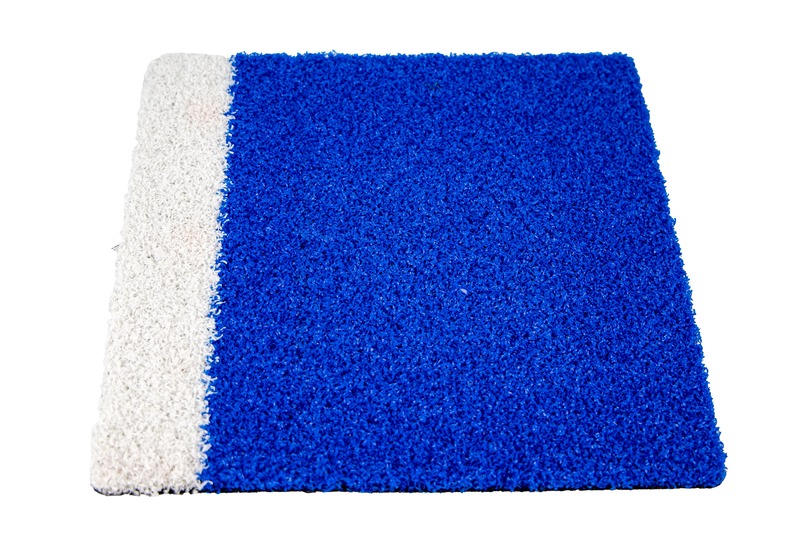
Football field lines are usually installed by cutting and inserting white turf strips.
Precise line marking ensures:
1. Professional field appearance
2. Accurate playing dimensions
3. Compliance with project requirements
Step 5: Infill, Brushing, and Final Inspection
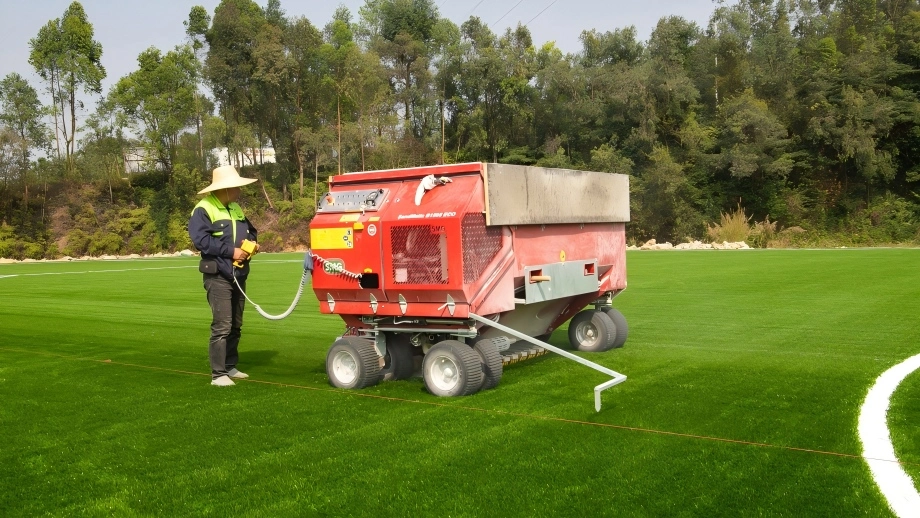
Infill application during artificial football pitch installation process
Once the turf surface is installed, the final preparation process begins.
Infill Application
Infill materials are distributed evenly across the field using specialized equipment.
The process requires:
1. Controlled filling depth
2. Uniform distribution
3. Multiple application stages
Turf Brushing
Professional brushing helps:
1. Lift turf fibers upright
2. Spread infill evenly
3. Improve surface consistency
Quality Inspection
Before opening the field, a complete inspection should be conducted.
The inspection may include:
1. Surface flatness
2. Seam quality
3. Drainage performance
4. Turf installation quality
5. Safety performance
For professional projects, additional testing may be required depending on certification standards.
Common Installation Mistakes to Avoid
Although artificial football fields are designed for durability, poor construction practices can reduce performance and lifespan.
Common mistakes include:
Ignoring Ground Preparation
A weak foundation can result in uneven surfaces and drainage issues.
Choosing Turf Based Only on Price
The cheapest turf solution may not provide suitable performance for intensive football use.
Project owners should evaluate the complete system rather than only the turf material.
Poor Drainage Design
Insufficient drainage capacity can cause water accumulation and reduce field availability.
Incorrect Installation Techniques
Improper turf joining, uneven infill distribution, or poor brushing can affect player experience.
Lack of Professional Project Support
Artificial football pitch construction requires coordination between design, manufacturing, installation, and quality control.
Working with an experienced supplier can reduce project risks and improve final results.
Learn more about CGT's manufacturing capabilities and sports surface expertise.
Professional Football Pitch Solutions for Global Projects
Every football field project has unique requirements depending on location, climate, usage intensity, and performance expectations. A successful installation requires not only quality artificial turf but also a complete system approach covering surface performance, safety, and long-term durability.
CGT has applied this approach in different football facility projects worldwide.
For example, CGT supplied FIFA Quality Pro football turf solutions for the training facility at Tottenham Hotspur Training Centre in Enfield, UK, where the system was designed to meet professional training requirements with high standards for durability and playing performance.
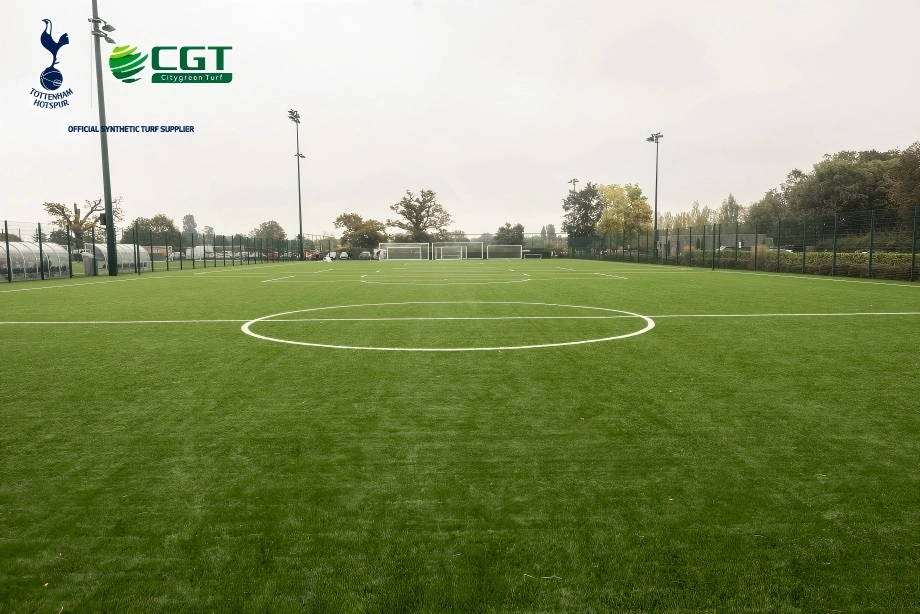
FIFA Quality Pro football turf system supplied by CGT for professional sports facilities
In Spain, CGT delivered two FIFA Quality Pro football pitches under the latest FIFA testing standards, including Campo de Fútbol de Balsicas and Campo de Fútbol Municipal Dolores de Pacheco. These projects involved complete football turf systems combining artificial grass, performance layers, and technical support throughout implementation.
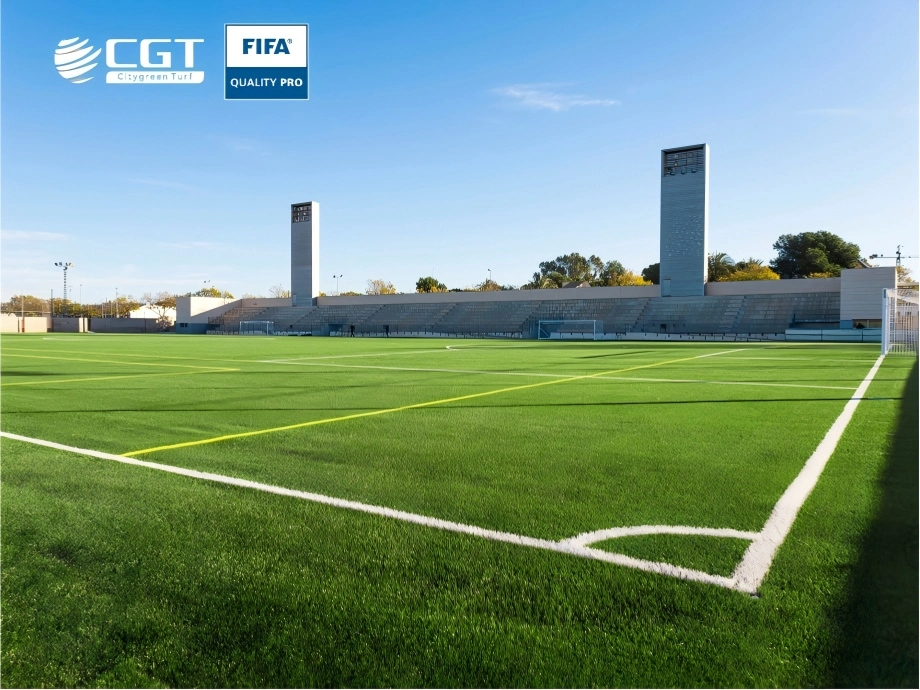
CGT FIFA Quality Pro artificial football pitch project in Spain
Beyond professional competition requirements, football field projects in different environments also require customized system considerations. For projects in island regions such as the Maldives, CGT developed turf solutions adapted to tropical climate conditions, with enhanced UV resistance, weather durability, and material stability to withstand long-term exposure to strong sunlight, high humidity, and coastal environments.
For different project requirements, CGT provides solutions including:
- Football-specific artificial turf systems
- Shock pad solutions for enhanced player safety
- Infill systems to optimize surface performance
- Technical support including installation guidance and project assistance
With experience across professional stadiums, training facilities, and community sports projects, CGT helps partners build reliable football facilities with consistent performance and long-term value.
Conclusion
Artificial turf football field installation is a complex process that requires careful planning, professional construction techniques, and a complete turf system approach.
From site evaluation and foundation construction to turf installation and final inspection, every stage influences the quality and performance of the finished field.
For project owners, choosing the right artificial football pitch construction partner is just as important as selecting the right turf product. A complete solution provider can help ensure the field delivers safety, performance, and durability throughout its service life.
If you are planning an artificial football field project, CGT can provide professional support from system design to project delivery.
Contact CGT today to discuss your artificial turf football field project requirements.