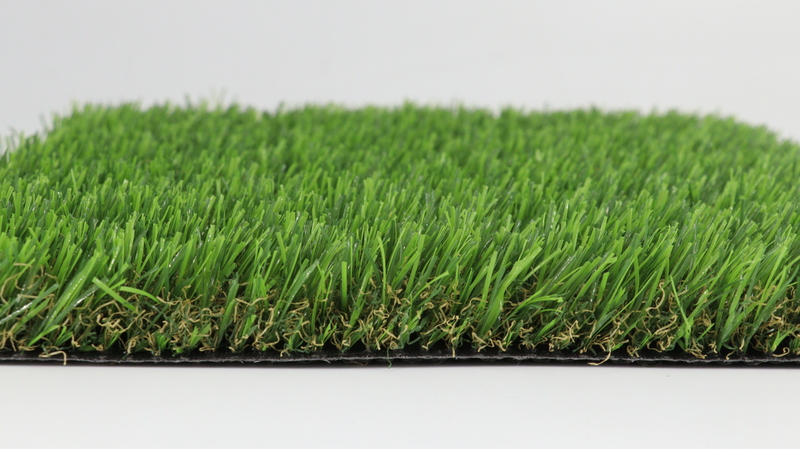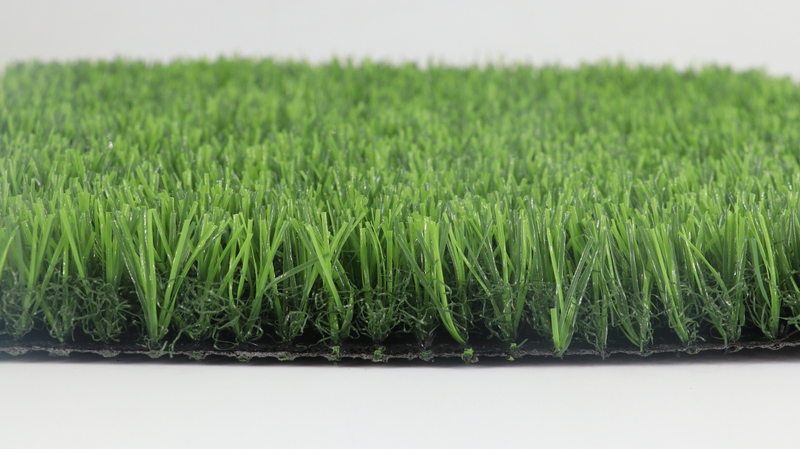
Modern football facilities are no longer built by simply installing artificial grass. Today, high-performance pitches are engineered as complete artificial turf systems, designed to deliver consistent ball behavior, optimal player safety, and long-term durability. Organizations such as FIFA have established strict testing protocols to ensure that artificial football fields replicate the performance of natural grass as closely as possible.
In this article, we'll explain how FIFA Football Turf systems work, what components they include, and why system-based design is now the industry standard for professional football fields.

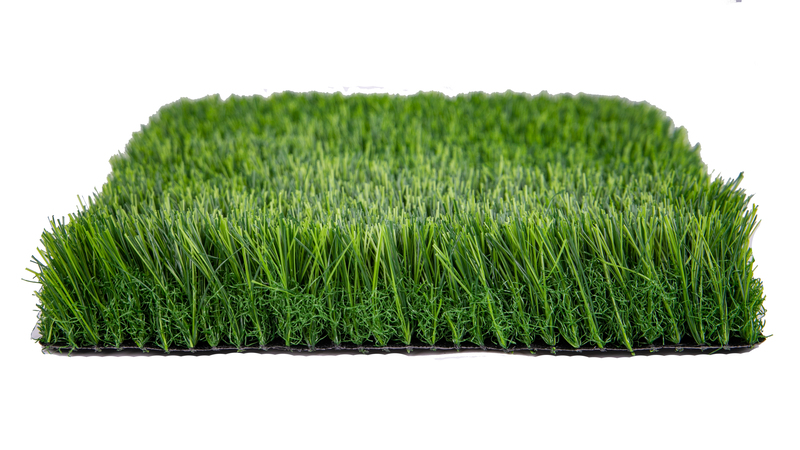
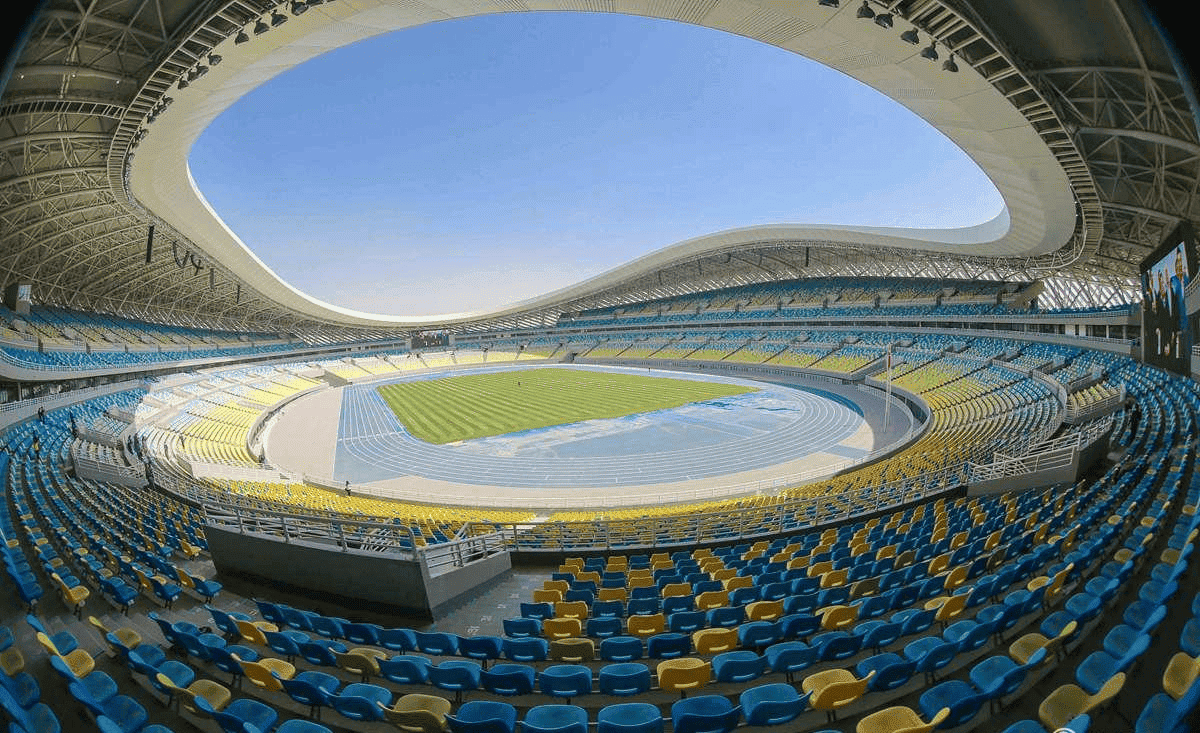
FIFA-certified artificial football field demonstrating a professional football turf system used in modern football facilities
1. The Evolution of Artificial Football Fields
Artificial turf technology has evolved significantly over the past decades. Early generations of synthetic grass focused primarily on durability and ease of maintenance. However, these surfaces often lacked the shock absorption, traction control, and ball roll characteristics of natural grass.
As football developed into a faster and more physically demanding sport, the industry recognized the need for performance-driven turf systems. Modern artificial football pitches must now achieve several technical objectives simultaneously:
a. Player safety and injury reduction
b. Consistent ball performance
c. High durability under intensive use
d. Efficient drainage and weather resistance
e. Low maintenance requirements
To address these demands, governing bodies like FIFA introduced the FIFA Football Turf certification program, which evaluates the entire field system rather than individual products.
This system-based approach ensures that all components—from the turf fibers to the shock pad and infill—work together to meet strict performance standards.
2. FIFA Certification Is About the Entire System — Not a Single Product
A common misconception in the artificial grass industry is that FIFA certification applies to individual turf products. In reality, The latest FIFA Football Turf™ 2024 framework further strengthens this concept by redefining artificial pitches as integrated performance systems. Instead of focusing only on individual material specifications, the new standard evaluates how the entire system behaves over time — including installation accuracy, long-term durability, and real-match performance conditions.A certified system typically includes:
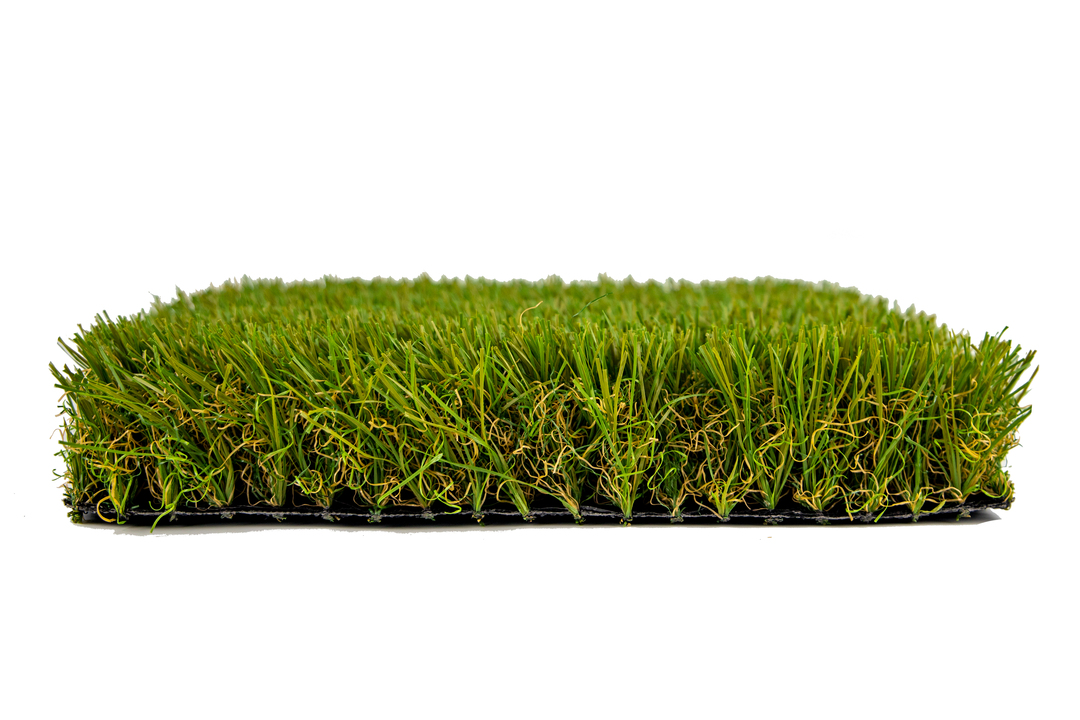
Artificial grass carpet
Infill materials (such as SBR, EPDM, or TPE rubber granules)
Shock pad layer (optional but common in high-performance systems)
Base construction and drainage layers
All these elements interact to determine the field’s performance. During testing, the installed system must meet requirements for:
a. Ball roll and ball rebound
b. Shock absorption
c. Vertical deformation
d. Rotational resistance
e. Energy restitution
f. Surface regularity
Because these parameters depend on how the components function together, changing even one layer can affect the entire system’s certification status.
This is why professional artificial football fields are designed using pretested turf system configurations rather than mixing unrelated components.
3. Key Performance Indicators of a Professional Football Turf System
Under the FIFA Football Turf™ 2024 standard, performance testing also places greater emphasis on dynamic load behavior. Advanced testing equipment, such as Artificial Athlete devices, simulates real match movements, including sprinting, landing, and sudden direction changes.
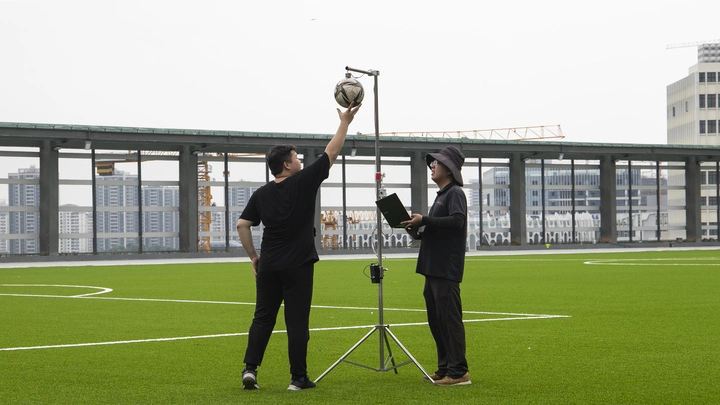
Artificial Athlete machine testing impact response and player safety performance on artificial football turf
This shift allows surface performance to be evaluated not only through static measurements but also through dynamic response data that reflects real match conditions.
A professional football turf system is engineered to replicate the performance characteristics of natural grass while offering superior durability.
Below are some of the most critical performance indicators.
Shock Absorption
Shock absorption measures how effectively the surface reduces impact forces when players run, jump, or fall.
Proper shock absorption:
a. Protects joints and ligaments
b. Reduces fatigue during long matches
c. Improves overall player comfort
Shock pads or optimized infill layers are often used to achieve the desired cushioning effect.
Ball Roll and Ball Rebound
Ball behavior is one of the most visible aspects of football pitch performance.
A well-designed artificial turf system must maintain:
a. Consistent ball roll distance
b. Predictable rebound height
c. Uniform performance across the entire pitch
These characteristics ensure fair gameplay and allow players to perform technical skills with confidence.
Rotational Resistance (Traction)
Rotational resistance determines how the surface interacts with football boots during rapid direction changes.
The system must balance two factors:
a. Enough traction for stability
b. Controlled release to reduce injury risk
Proper fiber structure and infill composition play a major role in achieving this balance.
Drainage Performance
Football fields must remain playable even after heavy rain.
High-quality artificial turf systems typically include:
a. Perforated turf backing
b. Free-draining base layers
c. Engineered sub-base structures
These components allow water to pass through the system quickly, preventing puddles and maintaining consistent field conditions.
4. The Structure of a FIFA-Level Artificial Football Turf System
A professional football turf system is composed of several layers, each performing a specific technical function.
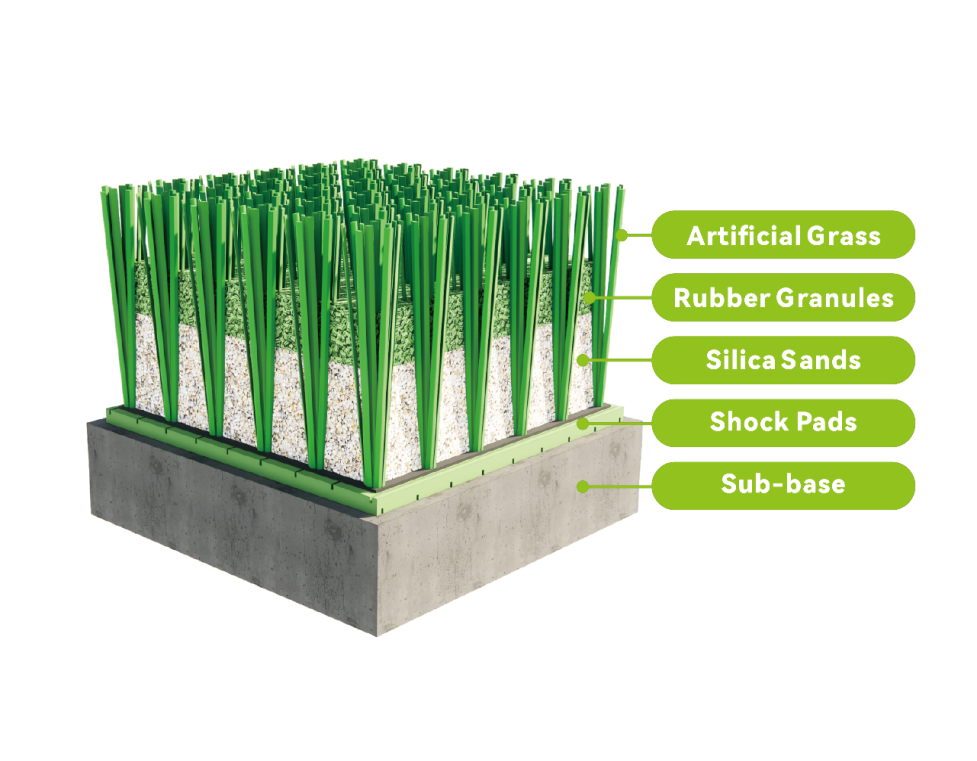
Professional FIFA football turf system diagram showing artificial turf surface, infill, shock pad, and base layers for artificial football fields
1. Artificial Grass
The visible playing surface is made of durable polyethylene fibers, usually monofilament or hybrid yarn structures. These fibers are designed to:
a. Resist wear and UV exposure
b. Maintain upright shape under heavy use
c. Deliver realistic ball interaction
2. Performance Infill Layer
Infill materials stabilize the turf fibers and influence many performance parameters.
Common options include:
a. SBR rubber granules – cost-effective and widely used
b. EPDM rubber – improved durability and color stability
c. TPE infill – premium performance with enhanced environmental properties
3. Shock Pad Layer
Many FIFA-level systems incorporate a shock pad beneath the turf carpet.
Shock pads provide:
a. Long-term shock absorption stability
b. Consistent playing characteristics
c. Reduced reliance on infill depth
This layer is particularly beneficial for fields with intensive usage schedules.
4. Base Construction and Drainage
The base structure supports the entire system and ensures field stability.
Typical layers include:
a. Compacted aggregate base
b. Leveling layer
c. Drainage channels
Proper base construction is essential for long-term durability and field performance.
5. How Our Professional FIFA Turf Systems Deliver Reliable Performance
A well-designed football turf system must integrate all components into a tested and optimized configuration.
Our professional FIFA-ready systems are engineered with the following advantages:
a. Pre-tested system combinations ensure reliable performance results
b. High-durability turf fibers designed for professional and community football fields
c. Optimized infill solutions balancing performance, safety, and maintenance
d. Optional shock pad technology for enhanced impact protection
e. Efficient drainage structures supporting all-weather playability
These system solutions are suitable for a wide range of applications, including:
a. Professional training facilities
b. School and university football fields
c. Community sports complexes
d. Multi-purpose football pitches
A strong example of this system-level approach is the Campo de Fútbol de Balsicas project in Spain, which achieved FIFA Quality Pro certification under FIFA's latest TM-Football-Turf-2024 framework. The pitch was independently tested by the IGOID Group, evaluating critical performance indicators such as player safety, impact absorption, surface stability, and ball–surface interaction.

FIFA Quality Pro certified artificial football field at Campo de Fútbol de Balsicas, Spain, featuring CGT professional football turf system
This project marked an important international milestone: CGT became the first Asian company to manufacture and construct a FIFA Quality Pro pitch under the new standard, delivering one of the earliest real-world implementations of the TM-Football-Turf-2024 system within the European Economic Community.
The successful certification demonstrates the strength of CGT's integrated approach—from advanced turf manufacturing and FIFA-aligned system design to precision installation and final testing—ensuring that every component works together as a unified football turf system.
By focusing on system engineering rather than individual products, we help clients achieve consistent field performance, regulatory compliance, and long-term reliability.
Conclusion
Building a professional artificial football field requires far more than selecting a high-quality turf product. Modern football pitches rely on integrated turf systems where each component contributes to player safety, ball performance, and surface durability.
The certification standards developed by FIFA have helped establish this system-based approach as the global benchmark for artificial football fields.
By selecting a carefully engineered FIFA-compliant turf system, field owners can ensure that their pitches deliver the performance, safety, and longevity required for today's demanding football environments.