Introduction
For many football field buyers, the term "FIFA Quality" is often seen as a simple certification label. In reality, it represents much more than a mark on a product brochure.
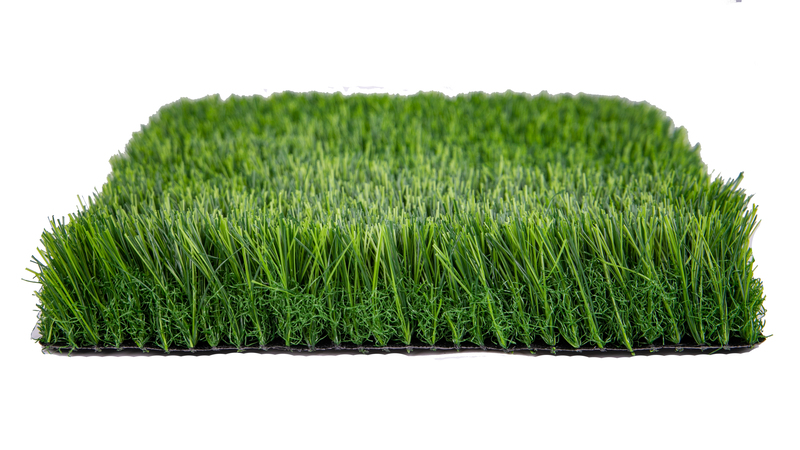
A FIFA-certified football turf system is not only about the artificial grass itself. It involves the interaction between turf fibers, backing, infill, shock absorption, base construction, installation quality, maintenance, and final field testing. For stadium developers, sports facility owners, schools, clubs, and government projects, understanding this relationship is essential before choosing a football turf system.
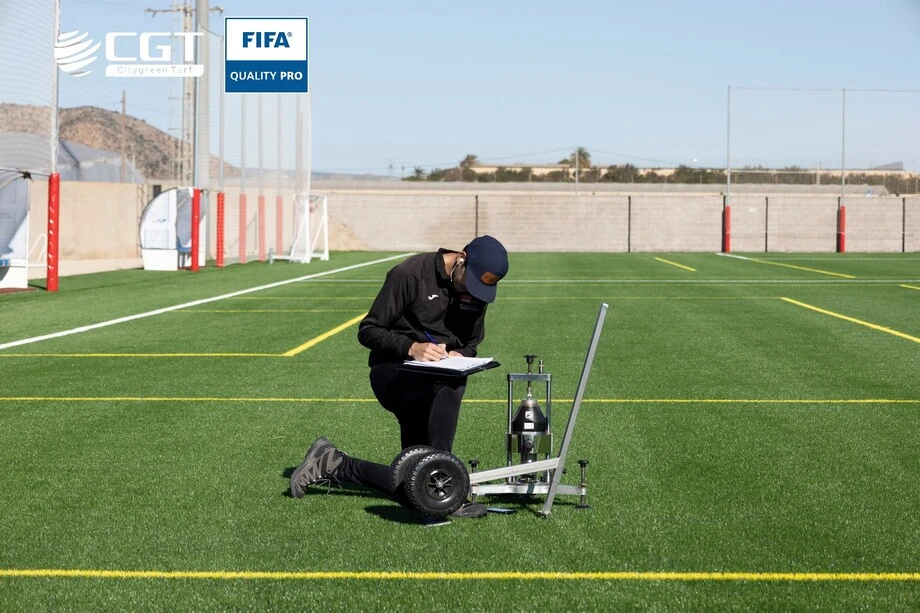
FIFA Quality football turf system testing for safety, playability, and field performance
A system that looks professional at the beginning may not necessarily perform well after months of intensive use. This is why FIFA Quality and FIFA Quality Pro standards are important: they help buyers evaluate whether a pitch can deliver the required level of safety, playability, durability, and performance under real football conditions.
Why You Should Pay Attention to FIFA Standards
Football is a high-frequency, high-impact sport. Every movement on the pitch creates pressure on the surface system, including sprinting, turning, sliding, landing, passing, and ball rebound. For buyers, the main concern is not only whether the field looks good on the opening day but also whether it can continue to support stable performance over time.
FIFA standards provide a recognized framework for evaluating artificial football turf. They help buyers understand whether a system has been tested for key performance areas such as shock absorption, ball behavior, surface interaction, durability, and player safety.
For public sports facilities, this can help reduce uncertainty during procurement. For professional clubs and stadium projects, it supports higher performance expectations and more demanding usage requirements. For international projects, FIFA certification also creates a clearer technical language between owners, consultants, contractors, suppliers, installers, and testing institutes.
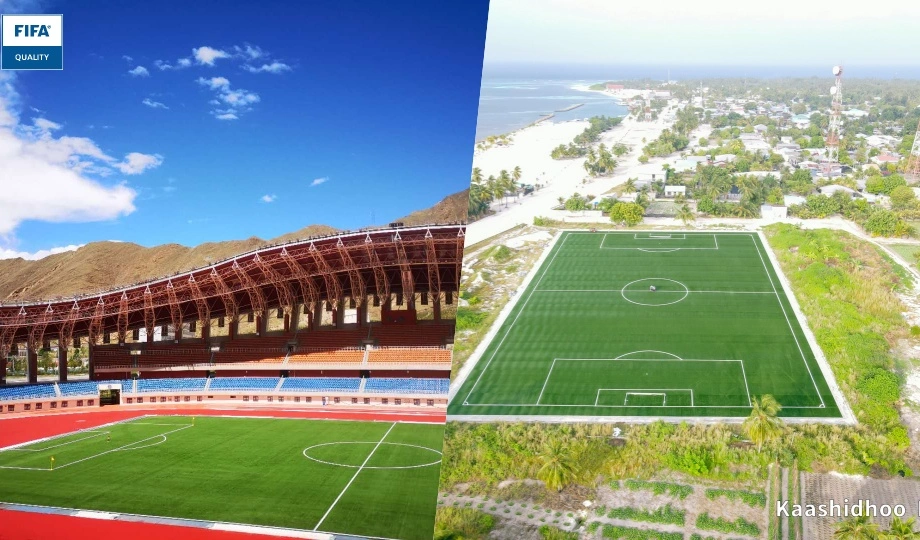
This is especially important when a project involves multiple parties across different countries. In CGT’s international football projects, including FIFA-certified stadium and training field developments, the certification process is not treated as a separate final step. It is considered from the early system design stage so that the selected turf, shock pad, infill, base structure, and installation method can work together toward the required field performance.
FIFA Quality vs. FIFA Quality Pro: What Is the Difference?
FIFA Quality and FIFA Quality Pro are both part of the FIFA Quality Programme for Football Turf, but they are designed for different levels of use.
FIFA Quality is generally suitable for community football, schools, municipal sports facilities, training fields, and recreational venues. These pitches often face frequent daily use and need to balance safety, durability, comfort, and cost efficiency. The surface is typically designed to provide a softer playing experience and withstand regular use by different age groups and player levels.
FIFA Quality Pro is designed for higher-level football applications, including professional training centers, elite clubs, and competition-level venues. Compared with FIFA Quality, it places stronger emphasis on professional playing characteristics, including tighter performance expectations for ball behavior, player-surface interaction, and match-level consistency.
A school football field used by students every day may not need the same system as a professional stadium. A club training center with elite-level players may require a more controlled playing surface than a community pitch. A government sports complex may need to balance public access, durability, and maintenance capacity.
A FIFA-Certified Field Is a System, Not Just Artificial Grass
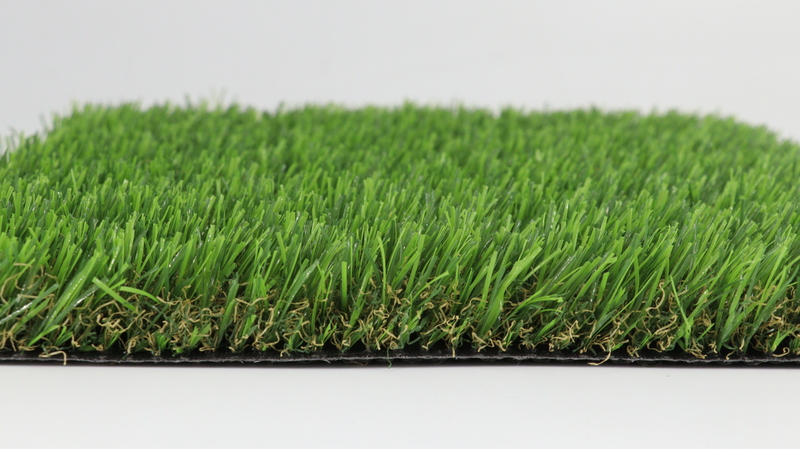
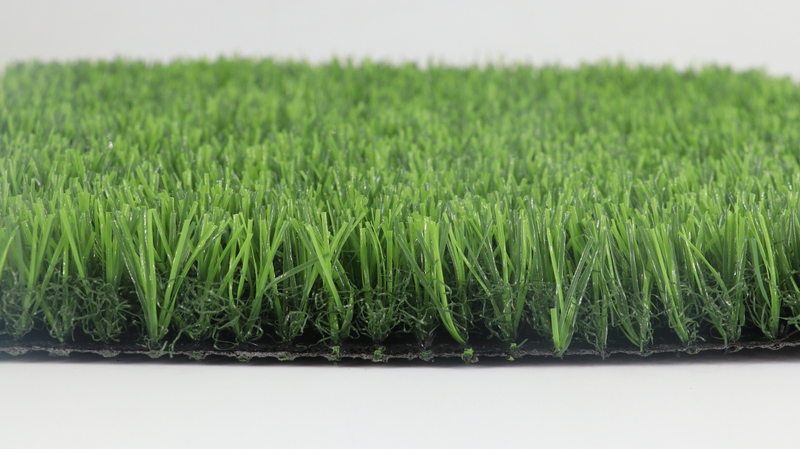
One common mistake in football turf procurement is focusing only on the turf carpet. Buyers may compare yarn shape, pile height, density, color, or price but overlook how the complete system affects performance.
A football turf system usually includes several connected layers and components:
- Artificial turf fibers
- Primary and secondary backing
- Infill system
- Shock pad or elastic layer
- Base construction
- Drainage system
- Installation workmanship
- Maintenance program
Each part influences the final playing result. A high-quality turf carpet installed on an unsuitable base may still fail to deliver stable performance. A good shock pad paired with the wrong infill quantity may affect ball roll or surface hardness. Poor installation seams or uneven infill distribution may create inconsistent playing areas.
This is why experienced suppliers do not recommend turf in isolation. They recommend complete football turf systems based on field usage, climate, certification target, and project conditions.
CGT's football turf projects are developed around this system-based approach. In FIFA-certified projects such as professional stadiums, international training fields, and high-standard football venues, the final performance depends on coordination between product selection, technical design, installation control, and field testing preparation.
Which Projects Need Higher Standards?
Not every football field needs FIFA Quality Pro. However, some project types should consider a higher-standard system from the beginning.
Professional clubs, elite training centers, competition venues, national or regional stadiums, and high-profile sports complexes usually require stronger performance control. These projects often involve more demanding players, more frequent testing expectations, and stricter acceptance procedures.
FIFA Quality Pro is particularly relevant when the pitch will be used for professional training, high-level competition, or venues where match-level consistency is a priority.
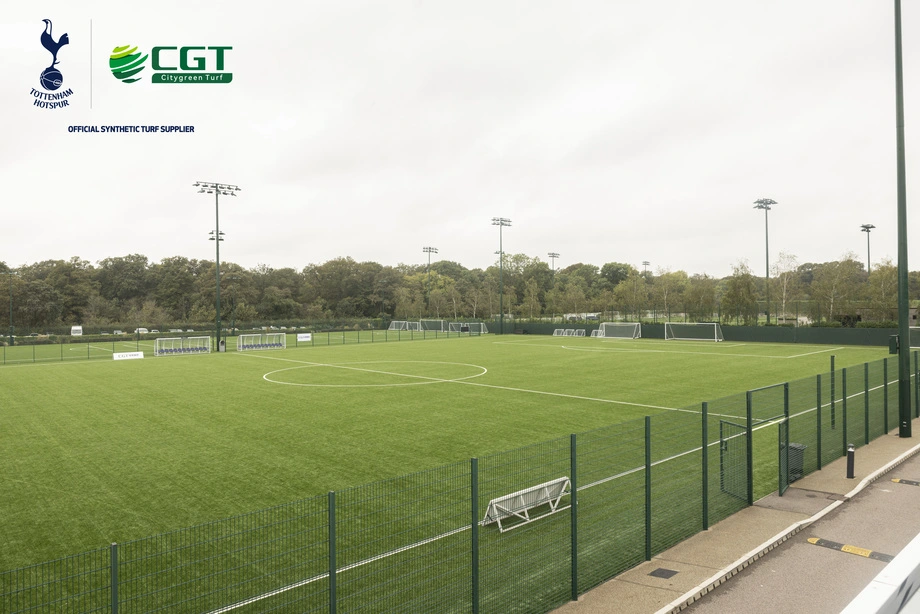
FIFA Quality Pro football turf system at Tottenham Hotspur Training Centre for elite professional training
For elite training environments, higher-standard systems are especially important because the surface must support repeated professional use while maintaining stable ball response, traction, and player comfort. CGT’s FIFA Quality Pro project at Tottenham Hotspur Training Centre in England is a strong example of this requirement, where system consistency, player safety, and long-term surface performance were essential for a Premier League-level training environment.
FIFA Quality may be a better fit for schools, municipal fields, public sports parks, community football centers, and multi-use training facilities. These projects usually require a balance between safety, durability, maintenance convenience, and cost control.
The right standard should follow the project’s actual function. Over-specifying may increase unnecessary cost. Under-specifying may lead to performance problems, failed acceptance, or higher maintenance pressure later.
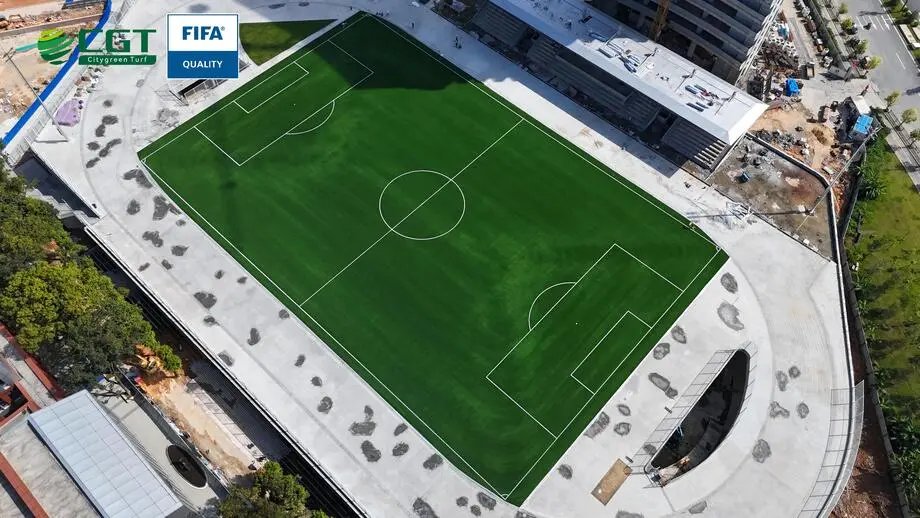
FIFA Quality football turf field at Guangzhou College of Commerce for daily campus sports activities
For example, the football field at Guangzhou College of Commerce adopted a FIFA Quality system to support daily campus football, training, and student sports activities. This type of project shows why FIFA Quality is often a practical choice for education facilities: it provides a reliable balance between safety, durability, playability, and long-term maintenance efficiency without requiring an unnecessary elite-competition specification.
CGT has supported multiple FIFA-certified football field projects across different countries and project types, including professional stadiums, training centers, and international sports facilities. This experience allows CGT to provide practical support not only in product supply but also in system recommendation, technical documentation, installation guidance, and preparation for field testing.
Why System Experience Matters in International Projects
For international football field projects, the challenge is often not only product quality. Buyers also need reliable communication, technical documentation, logistics coordination, installation support, and adaptation to local site conditions.
Different countries may have different climate conditions, construction habits, customs procedures, testing expectations, and project schedules. A system that performs well in one market may require adjustment in another.
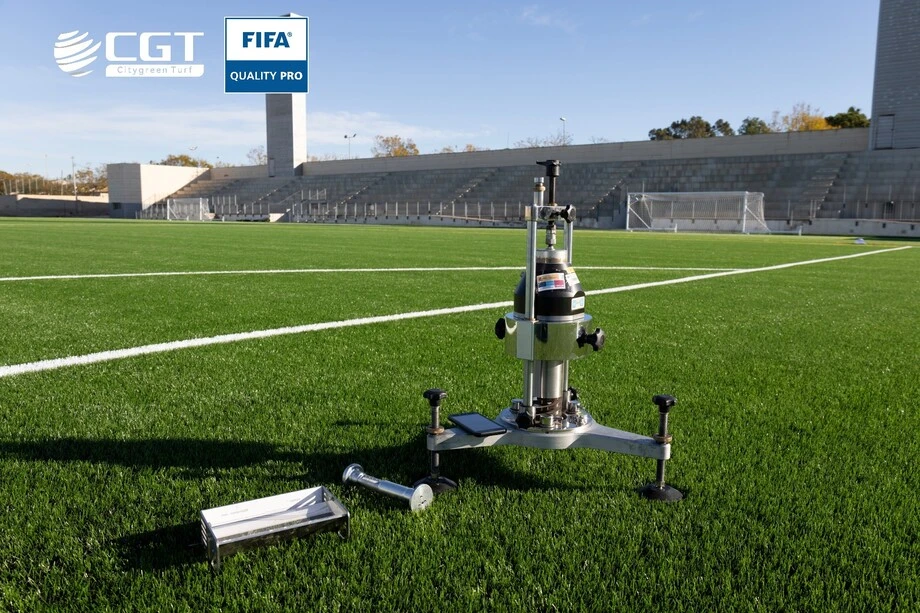
FIFA football turf field testing for international project acceptance and performance verification
This is why a football turf supplier with international project experience can add value beyond manufacturing. CGT supports overseas projects with system design, product supply, technical coordination, installation guidance, and after-sales support. In FIFA-related projects, this integrated approach helps reduce risks around unsuitable specifications, unclear installation responsibilities, and certification preparation.
For buyers planning stadiums, training centers, school fields, or public football facilities, choosing a supplier should not be limited to the product sample. The stronger choice is a partner that understands how the complete football turf system must perform after installation, testing, and years of use.
Conclusion
FIFA Quality football turf is not simply a certification label. It is a system-based performance standard that connects product design, player safety, ball behavior, installation quality, field testing, and long-term maintenance.
Before choosing a football turf system, buyers should understand the difference between FIFA Quality and FIFA Quality Pro, evaluate the relationship between turf fibers, backing, infill, shock absorption, and base construction, and confirm whether the supplier can support the project through installation and field acceptance.
For football facilities that aim to achieve reliable performance and long-term value, the right system matters more than a single product specification.
If you are planning a football field, training center, stadium, school pitch, or community sports facility, CGT can provide tailored football turf system recommendations based on your project standard, site conditions, usage level, and certification goals.
Contact CGT to get professional advice for your FIFA football turf system