

Padel continues to grow as one of the most dynamic sports facility sectors worldwide. As more clubs, resorts, real estate developers, and sports operators explore padel court investment, the market is also becoming more sophisticated. Growth is no longer only about building more courts. It is increasingly about choosing the right location, operating model, court system, and long-term business strategy.
Global Padel Market Snapshot 2025
|
Indicator |
2025 Market Insight |
What It Means for Investors |
|
New padel courts added |
7,898 |
Global supply is still expanding, but growth is becoming more selective. |
|
New padel clubs added |
4,969 |
Club operators and professional chains continue to enter the market. |
|
Total courts worldwide |
58,334 |
Padel has moved from a niche sport into a global sports facility sector. |
|
Global court growth |
16% YoY |
Demand remains strong, but market maturity varies by country. |
|
Expansion since 2016 |
Approx. 6x |
Long-term growth has been significant, creating opportunities for clubs, resorts and real estate projects. |
Source: Playtomic Global Padel Report 2026, developed with Strategy&.
According to the Playtomic Global Padel Report 2026, the global padel market continued to expand strongly in 2025, with thousands of new courts and clubs added worldwide. However, the report also shows that different markets are developing at different speeds. Some countries are already mature, some are entering a healthy growth phase, while others are still early-stage markets with long-term potential.
For investors and project owners, this means padel remains attractive, but success depends on more than following a global trend. A profitable padel project must match local demand, site conditions, user expectations, and operational capability.
Why Padel Continues to Attract Global Investment
Padel has a strong appeal because it combines sport, social interaction, and lifestyle experience. Compared with many traditional sports, it is easier for beginners to start, suitable for different age groups, and highly social in nature. This makes it attractive not only for professional sports clubs but also for hotels, resorts, residential communities, shopping centers, schools, and mixed-use developments.
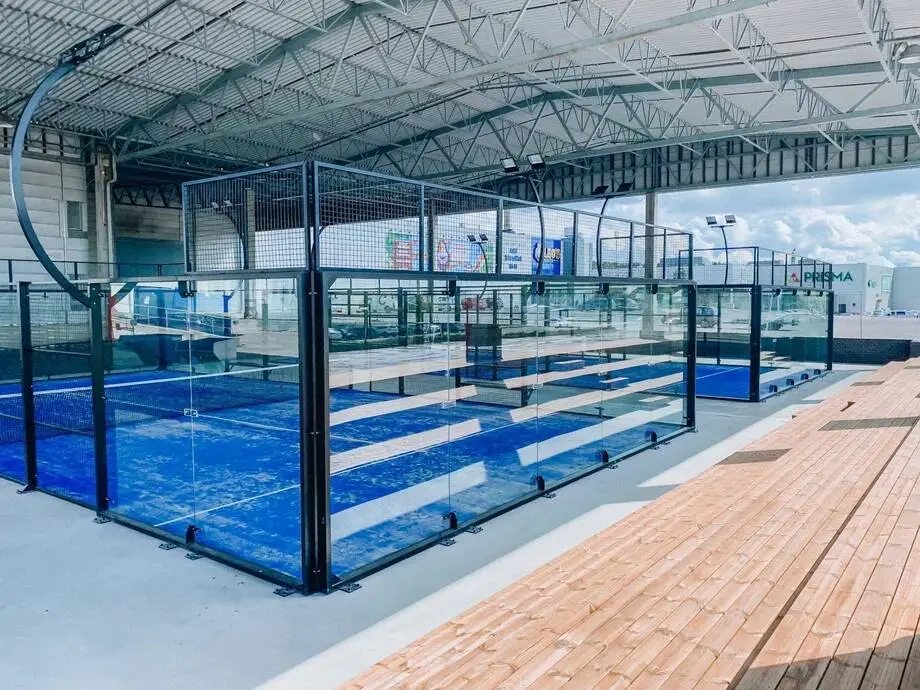
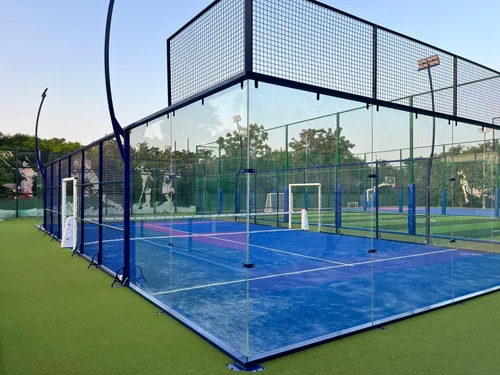
Padel court investment opportunity for clubs and sports facilities
The report highlights that padel is now moving beyond its original core markets and expanding across Europe, Latin America, the Middle East, Asia-Pacific, and selected markets such as the United States. This global spread reflects a wider shift: padel is becoming part of modern leisure infrastructure.
For developers, this creates an opportunity to use padel courts as more than sports facilities. A well-planned padel court can increase site activity, create recurring visitor traffic, support membership models, and strengthen the lifestyle value of a property.
Market Growth Is Becoming More Mature
One of the most important insights from the report is that global growth remains positive, but it is becoming more maturity-driven. Mature markets are no longer focused only on new court expansion. Instead, they are paying more attention to utilization, refurbishment, premium club models, and operational efficiency.
This is an important lesson for new investors. A market with fast growth does not automatically mean every project will succeed. In some post-boom markets, supply expanded faster than real player demand, leading to lower utilization and pressure on club economics. This shows why demand-aligned planning is essential.
Before investing in a padel project, owners should evaluate several factors:
local player awareness and demand quality, site accessibility, indoor or outdoor feasibility, pricing potential, competition density, weather conditions, and long-term maintenance requirements.
The best-performing projects are usually not those that simply build the most courts but those that create a stable and repeatable business model.
Padel Market Types and What They Mean for Investors
|
Market Type |
Representative Markets |
Market Characteristics |
Investment Implication |
|
Padel Heartlands |
Spain, Italy, Portugal, Argentina |
Mature markets with strong cultural adoption and dense club networks. |
Focus shifts from new court expansion to refurbishment, premiumization, and operational optimization. |
|
The Sweet Spot |
Netherlands, Belgium, France, Switzerland, South Africa |
Stable demand and controlled growth, with supply generally aligned with player demand. |
Suitable for disciplined expansion, private clubs, and economically viable formats. |
|
The Hotspot |
UK, Germany, Ireland |
Early-growth markets with strong willingness to pay and rapid demand uptake. |
Attractive for professional operators, indoor clubs, and scalable multi-site formats. |
|
Diamonds in the Rough |
US, India, Australia, Indonesia, Brazil, Poland |
Early-stage markets with fragmented ecosystems and uneven demand. |
Long-term potential exists, but investors need education, local demand building, and careful site selection. |
|
Post-Boom Adjustment |
Sweden, Finland, Chile |
Markets where court supply has outpaced effective demand, causing overcapacity and correction. |
A reminder that fast expansion without demand alignment can create utilization and pricing pressure. |
Based on the market archetype framework from the Playtomic Global Padel Report 2026
Club Economics Depend on Court-Hour Value
The Playtomic report emphasizes that club economics are driven by the “court-hour engine,” not by court count alone. In simple terms, each court must generate value through operating hours, utilization, pricing, and product mix.
This has direct implications for padel club planning. A four-court club with strong booking rates, well-designed lighting, good player comfort, and active programming may outperform a larger facility with poor utilization. Revenue also depends on how effectively operators build demand during both peak and off-peak hours.
Court bookings remain the core revenue driver for most clubs, but additional formats such as open matches, academies, leagues, events, coaching, and corporate activities can help improve monetization. As the market matures, clubs that rely only on basic court rental may face more pressure, while clubs with stronger programming and community engagement may build more sustainable revenue.
Indoor and Outdoor Court Choices Matter
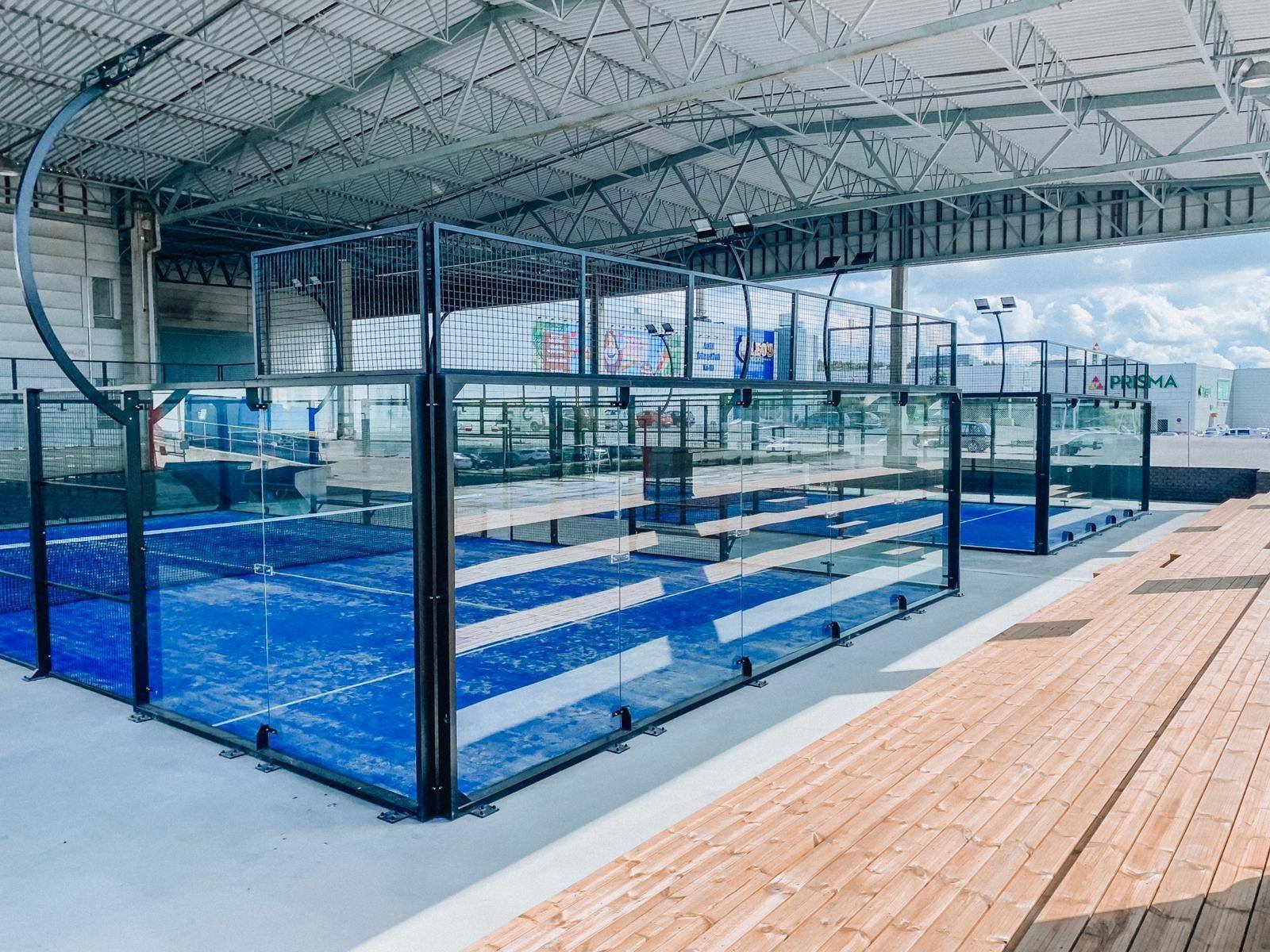
Indoor coverage is another important factor discussed in the report. Indoor or roofed courts can help stabilize demand, reduce weather-related interruptions, and support year-round programming. This can be especially important in markets with heavy rain, extreme heat, cold winters, or strict operating expectations.
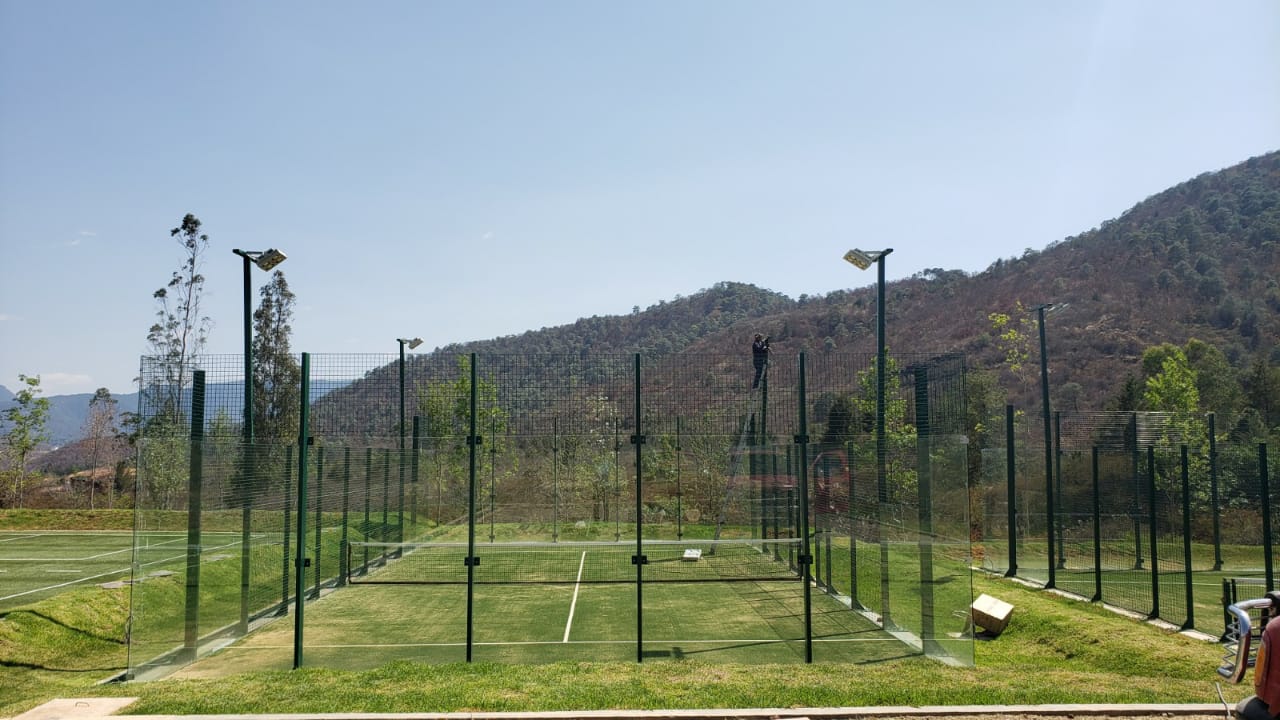
Outdoor courts can still be highly effective, especially in resorts, schools, community spaces, and regions with favorable climates. However, outdoor projects must pay close attention to structural design, corrosion protection, wind load, drainage, lighting, and long-term maintenance.
For investors, the choice between indoor and outdoor padel courts should not be based only on the initial budget. It should also consider expected usage frequency, climate, user profile, operating hours, and the project's overall positioning.
What Investors Should Consider Before Building Padel Courts
A successful padel court project starts with clear planning. Investors should define the target user group before choosing the court model. A premium resort may need a panoramic or super panoramic court with a stronger visual appeal, while a school or community project may prioritize durability, safety, and cost efficiency.
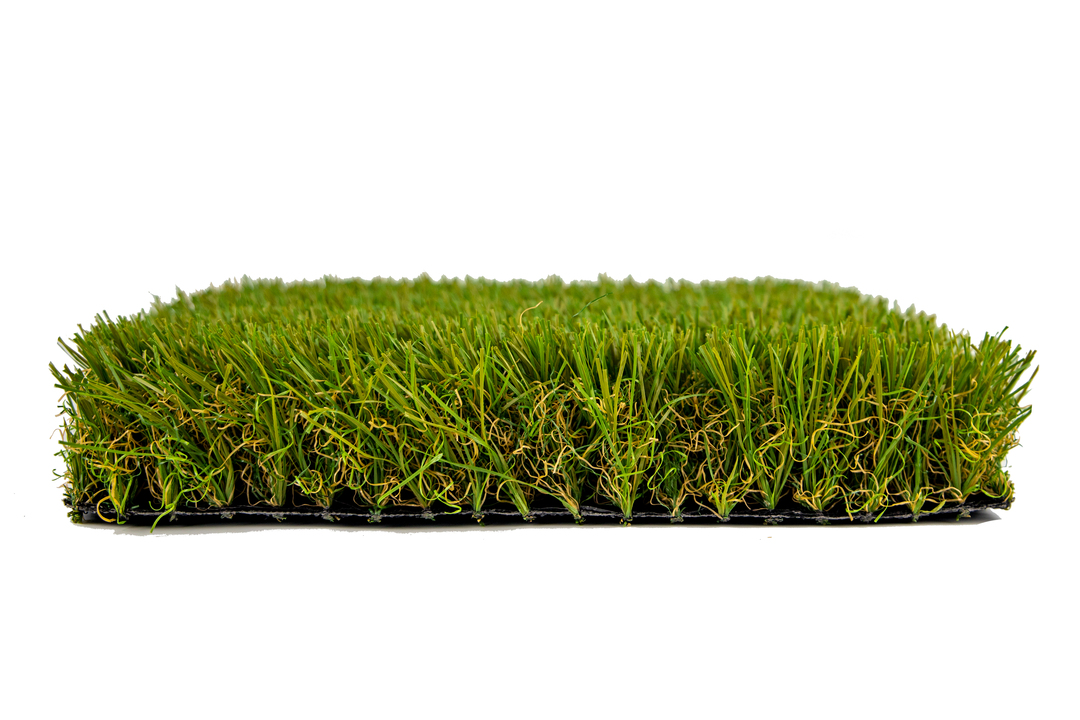
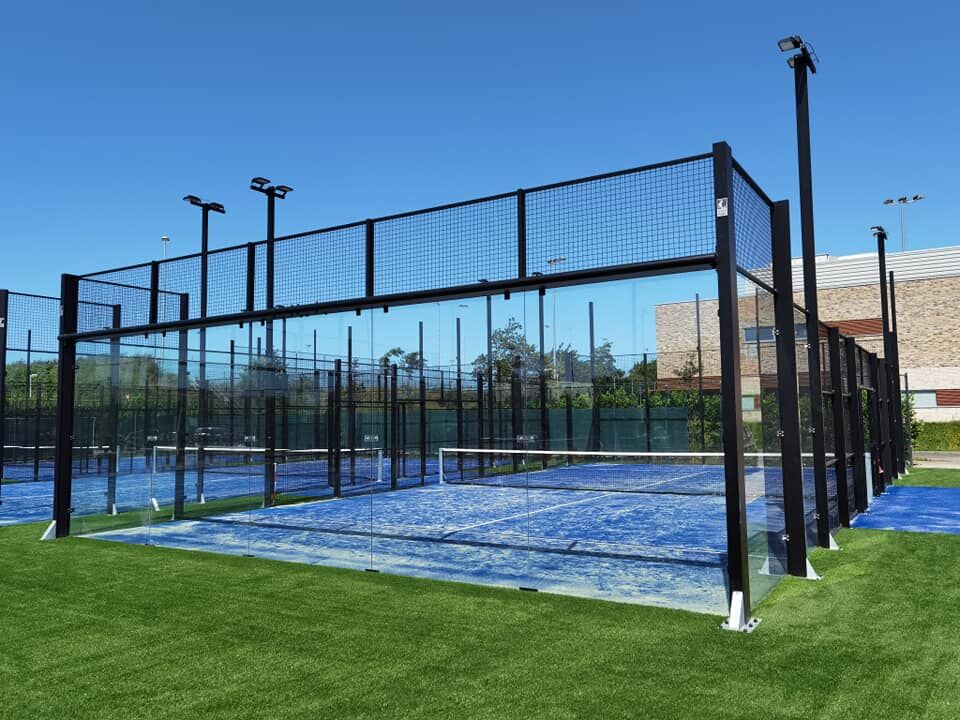
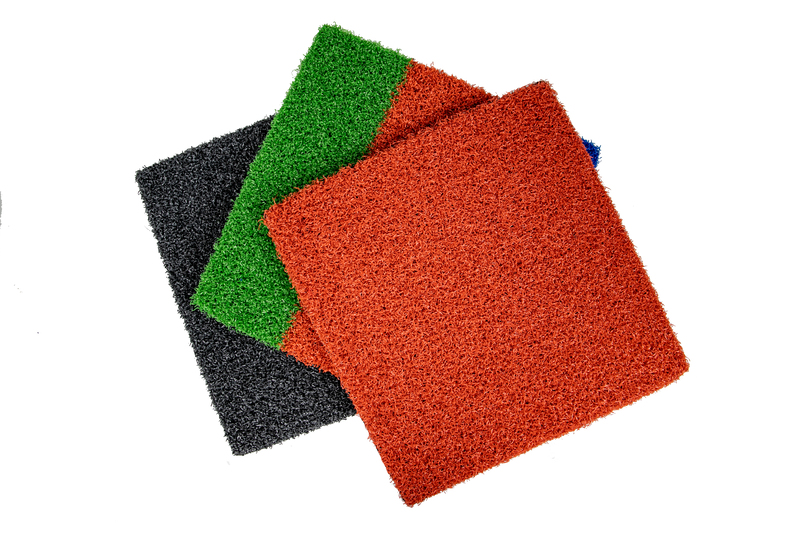
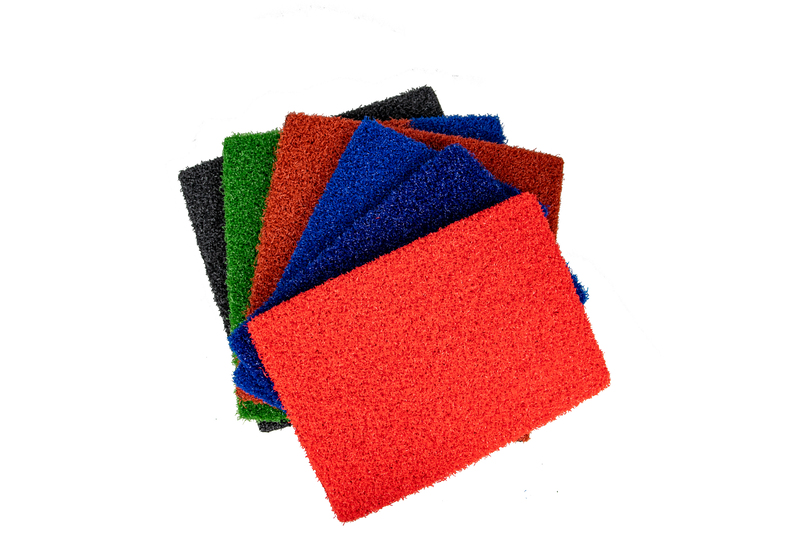
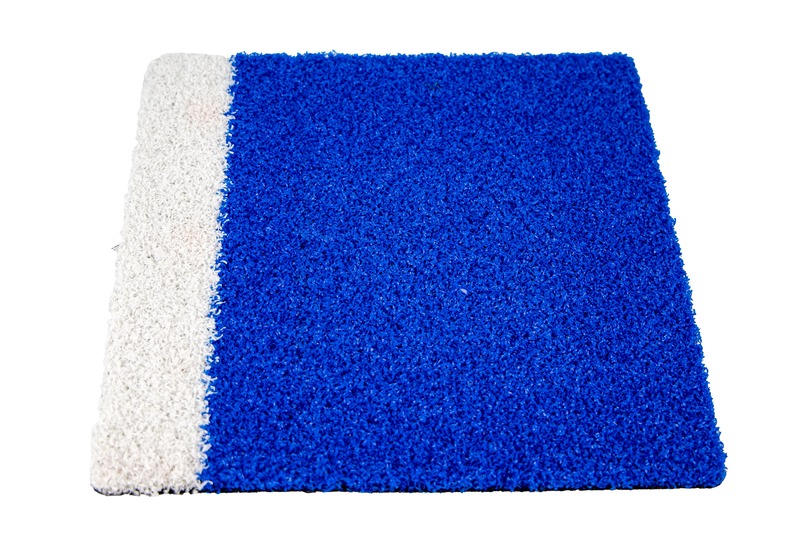
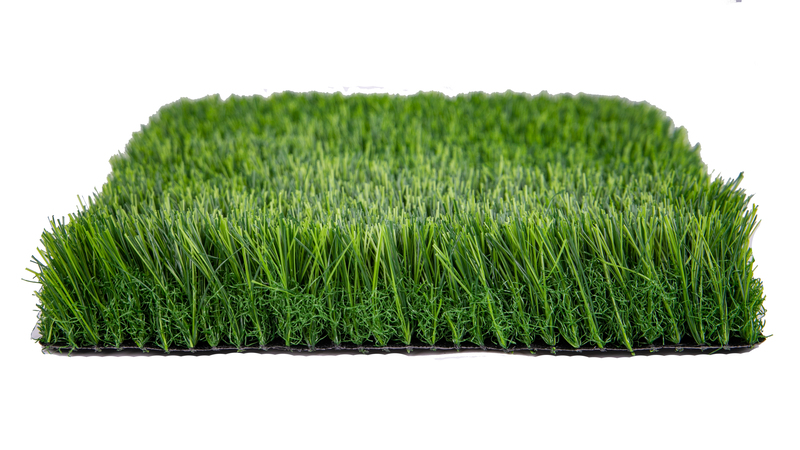
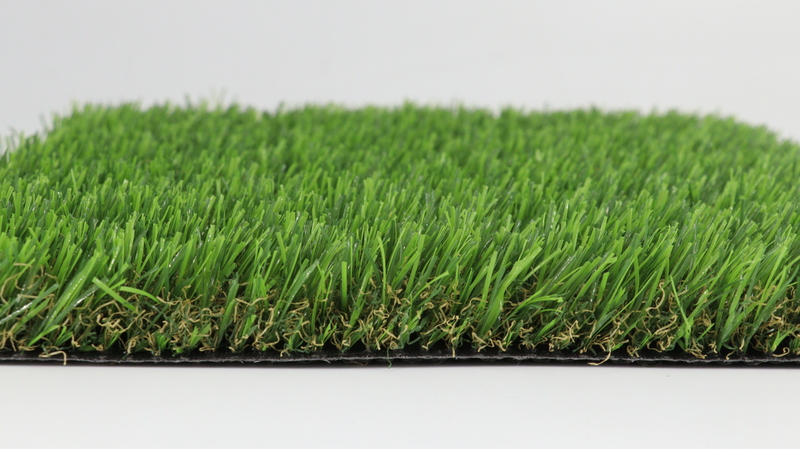
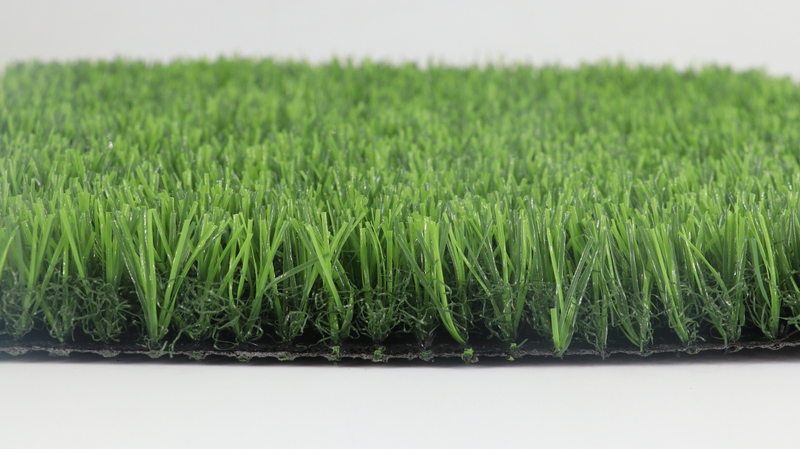
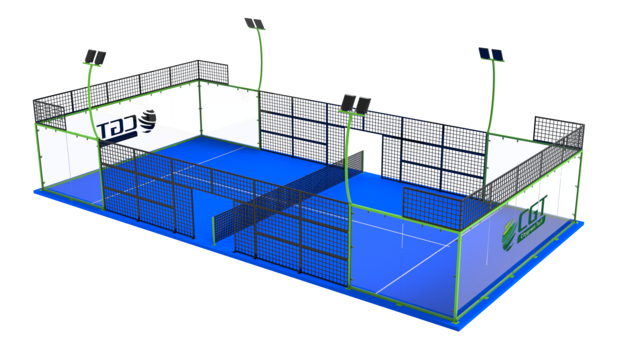
The court system itself also matters. Glass quality, steel structure, turf system, lighting layout, foundation accuracy, and installation quality all influence long-term performance. A court may look similar from a distance, but differences in materials and engineering can affect safety, rebound consistency, maintenance cost, and service life.
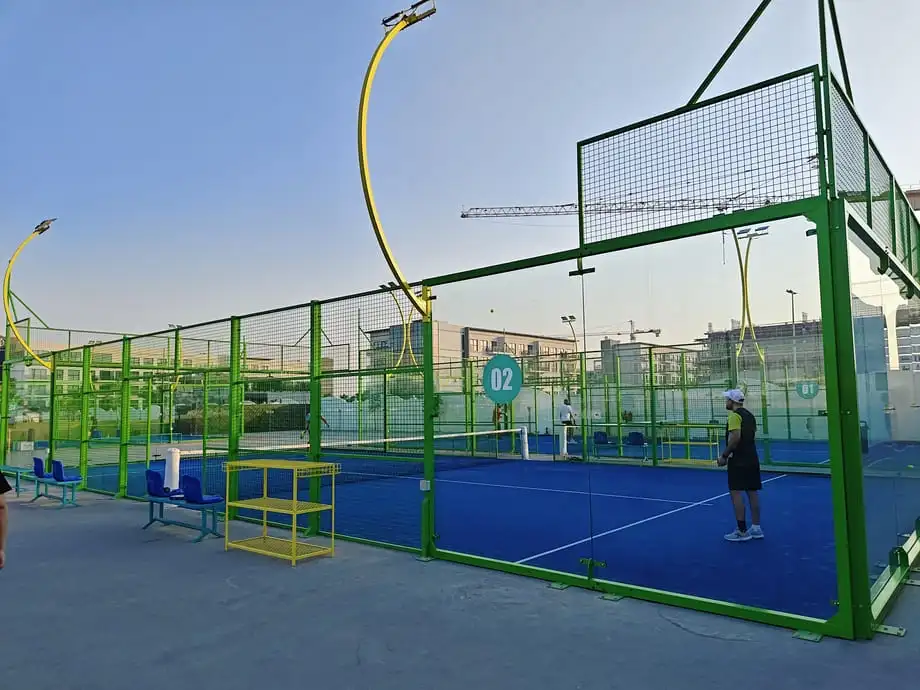
CGT padel court system with artificial turf, glass panels and lighting
For international projects, logistics and installation support are also critical. Shipping, customs, site readiness, installation guidance, and after-sales service can all influence the final result. This is why many investors prefer to work with suppliers who can provide complete court systems rather than isolated components.
The Future of Padel Investment
The global padel market is still growing, but the next phase will reward more disciplined investors. The strongest opportunities will come from projects that combine market understanding, suitable court configuration, reliable construction quality, and sustainable operation.
For clubs, the future is about building stronger player communities and improving court-hour value. For real estate developers, padel can help activate space and enhance asset appeal. For resorts and hospitality projects, it can become part of a broader lifestyle and wellness experience.
Padel investment in 2026 is not only about entering a fast-growing sport. It is about building the right facility for the right market, with a system that can support long-term performance.
For investors, supplier selection should also be viewed as part of risk control. As an integrated provider, we can support the court structure, glass, turf, lighting, logistics, and installation guidance as one coordinated system, helping projects move more smoothly from planning to handover.
Source: Playtomic Global Padel Report 2026, developed with Strategy&.