When designing or upgrading a synthetic football pitch, the choice of infill granules is just as important as the artificial turf itself. Infill affects player safety, comfort, durability, heat behavior, and environmental perception of the field.
Among performance infills for football turf systems, SBR rubber infill, EPDM rubber infill, and TPE infill granules are the three most widely used polymer-based options. While all deliver proven playability, they differ significantly in source material, cost, consistency, environmental profile, and typical applications.
This guide compares these three infill types to help you select the most appropriate solution for your project.
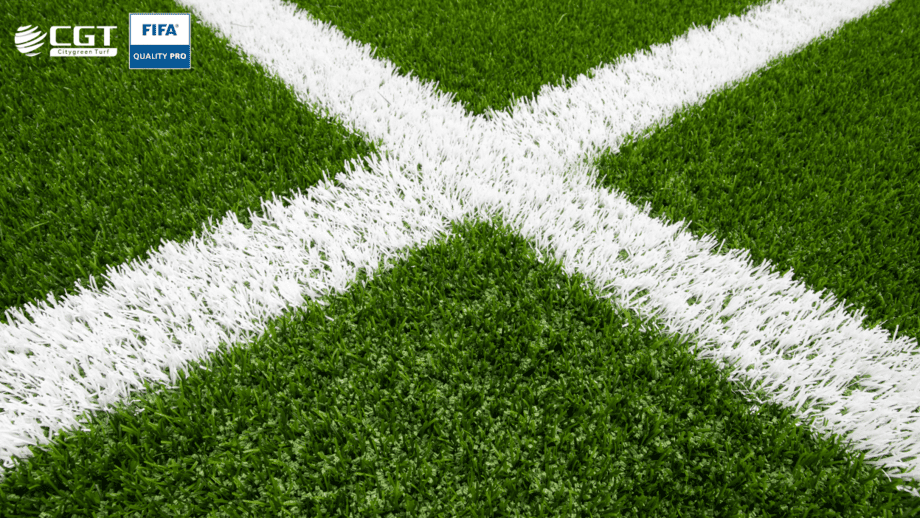
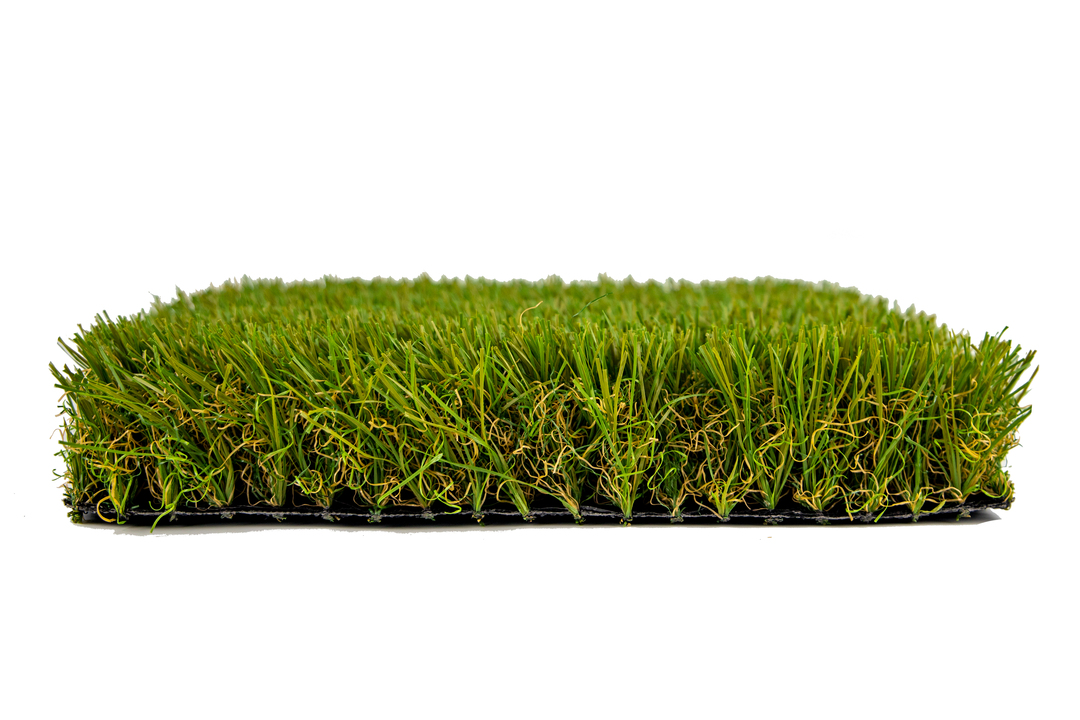
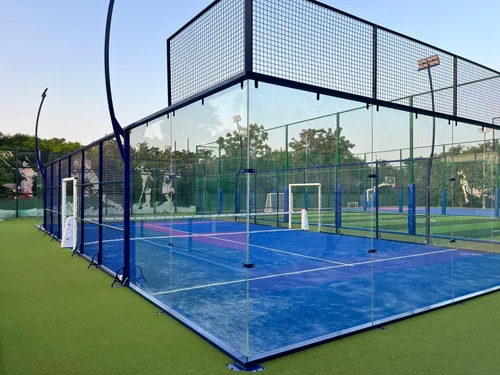
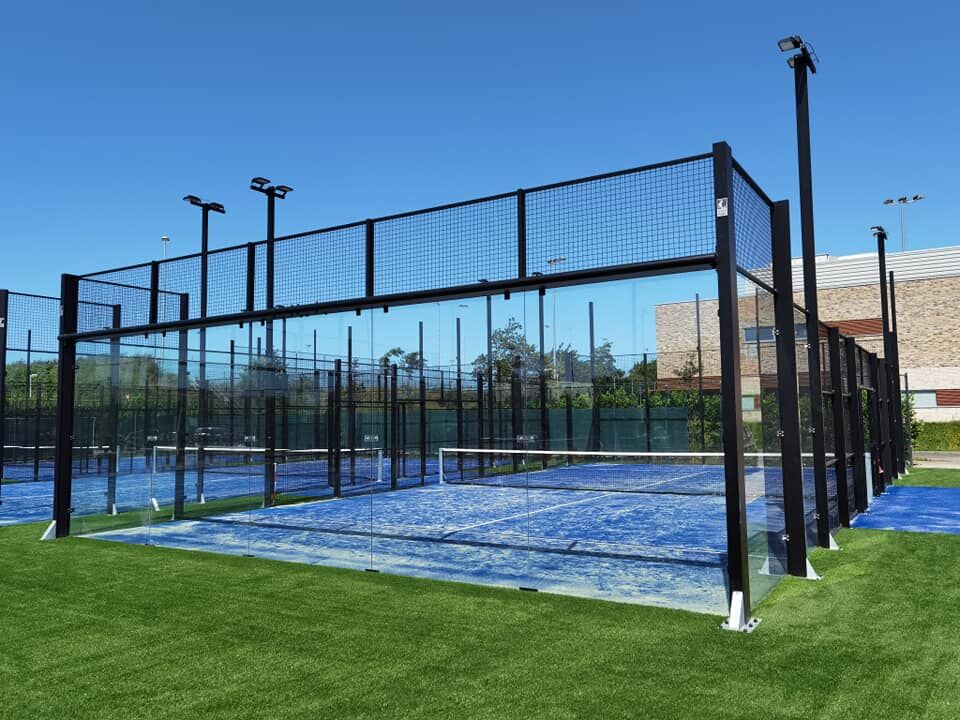
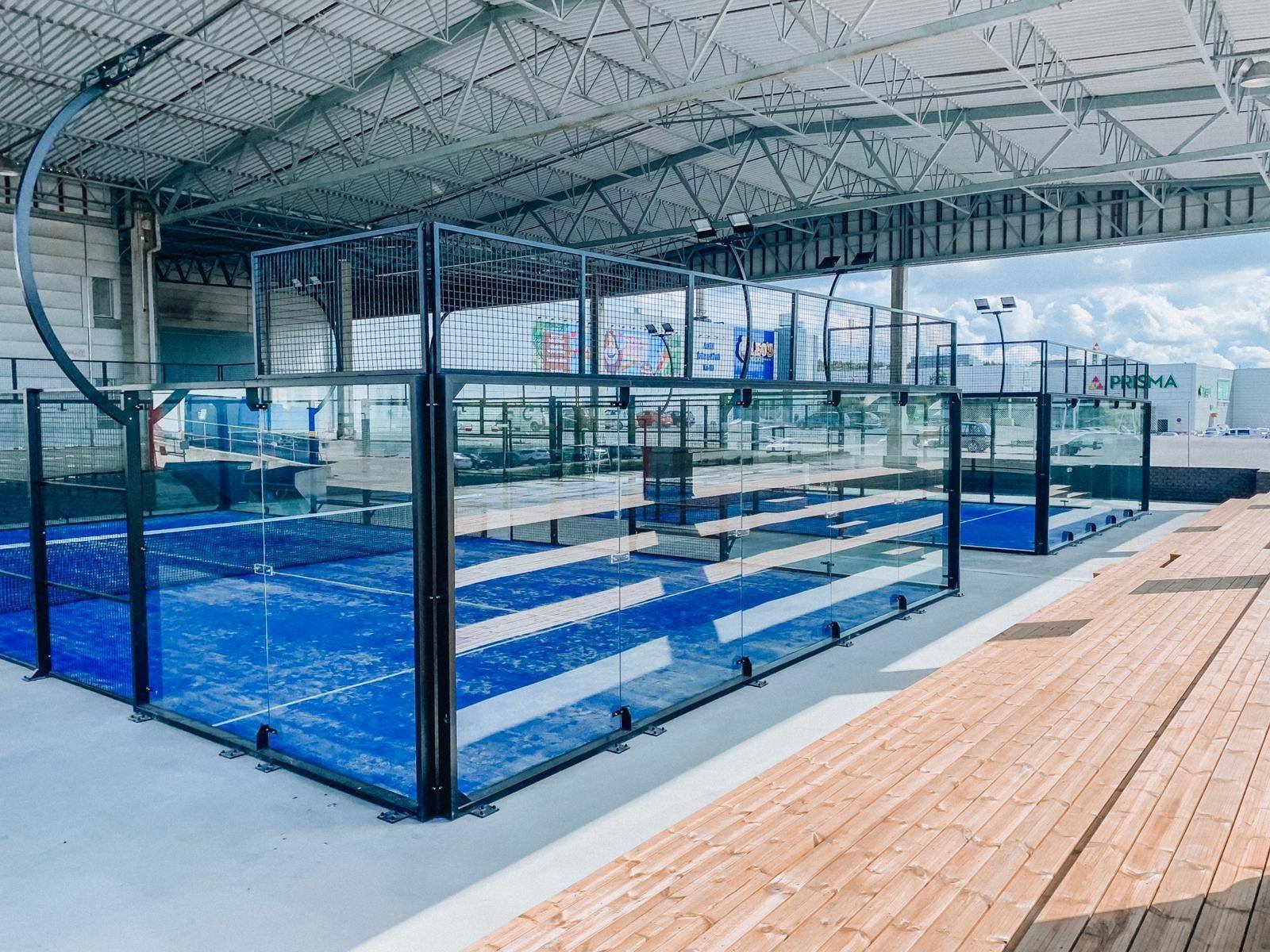
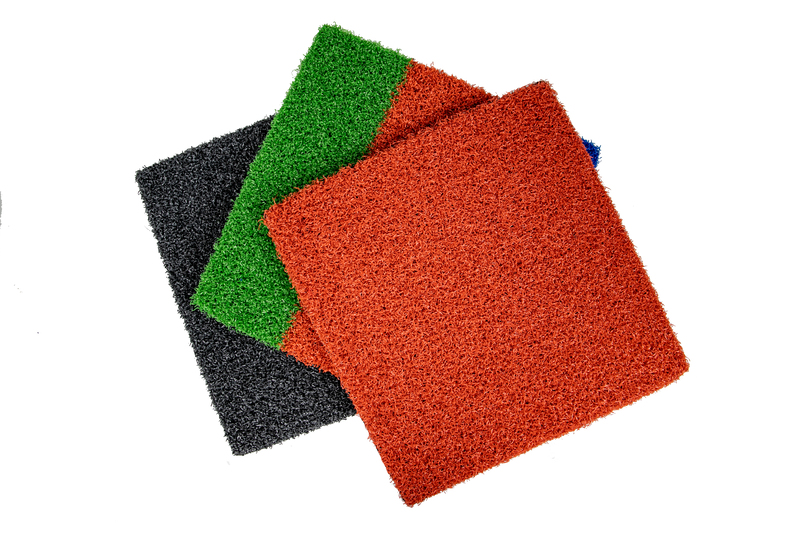
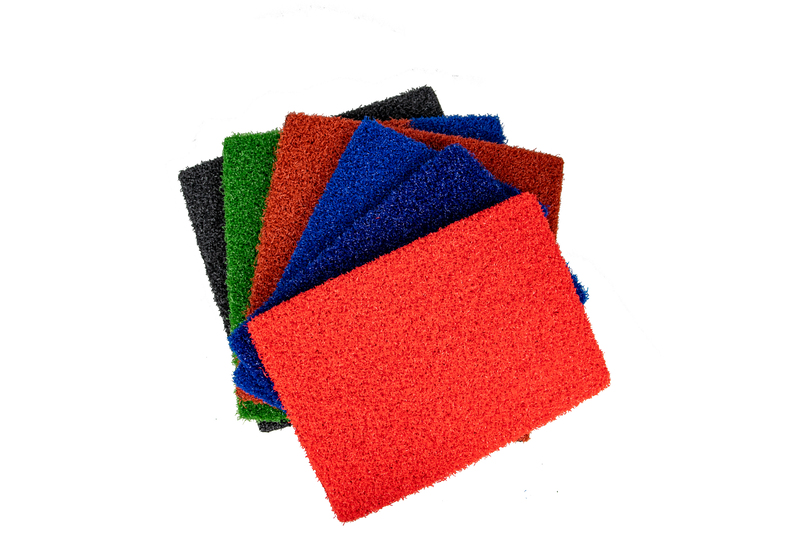
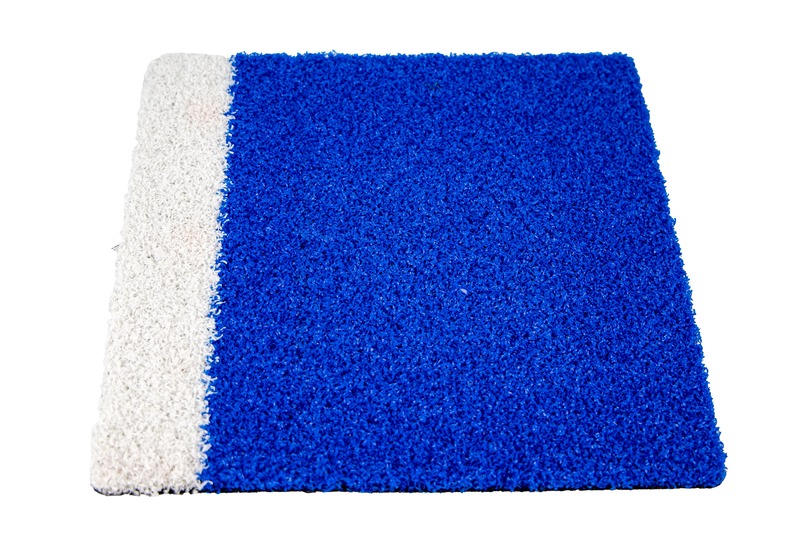
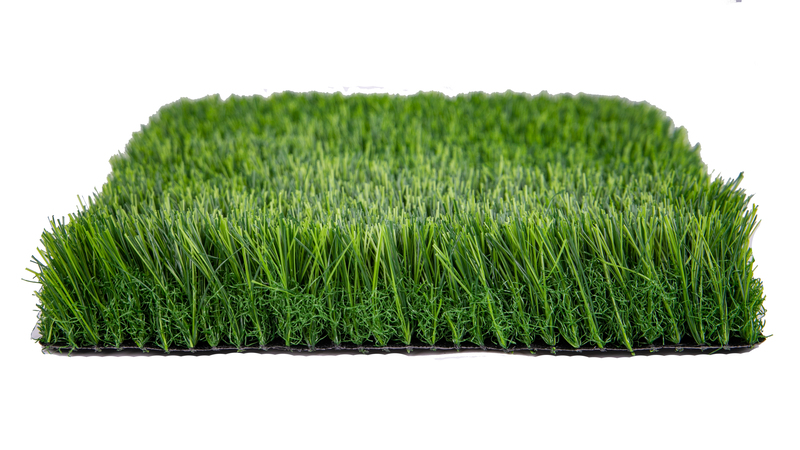
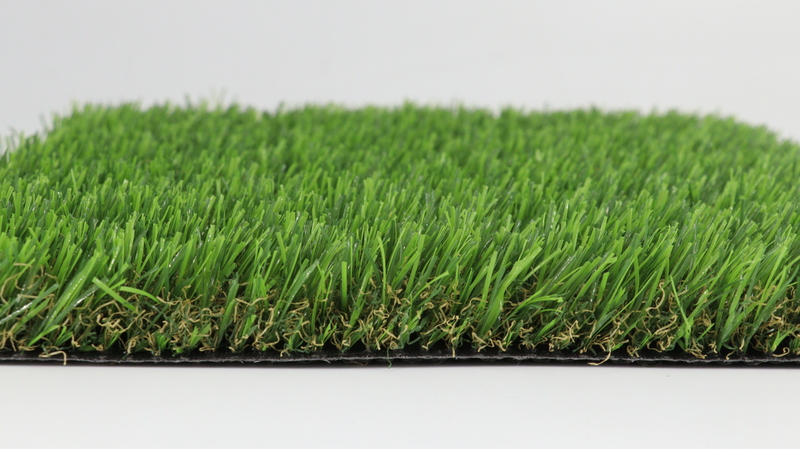
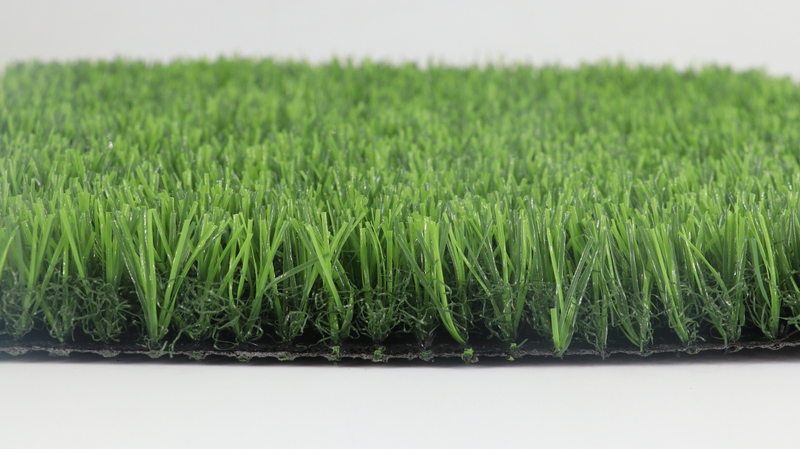
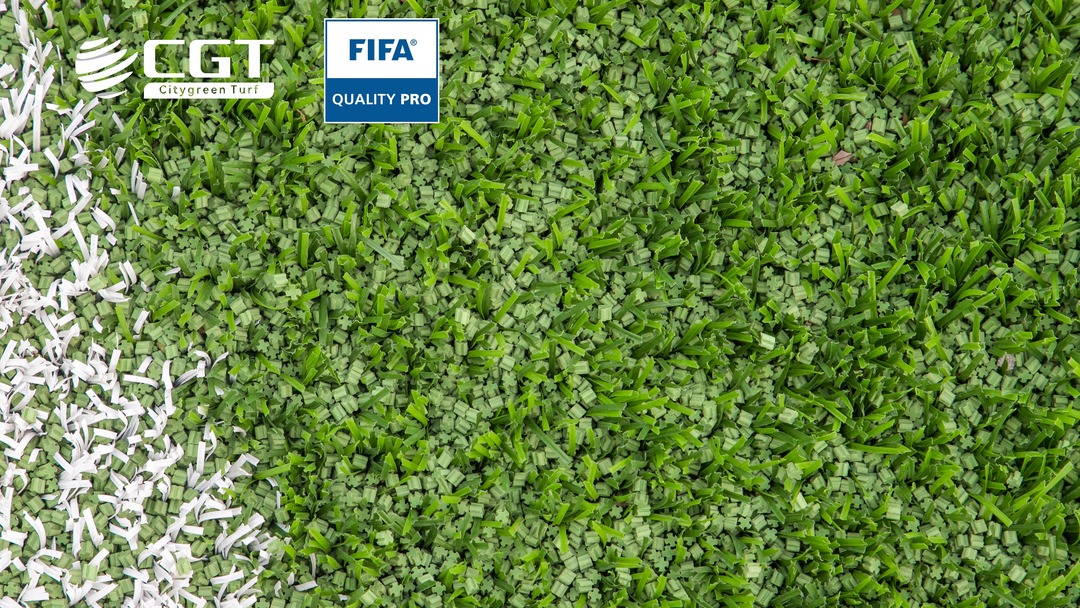
Artificial turf football field surface showing polymer infill granules used for performance and player safety
Overview: Polymer Infills for Synthetic Football Turf
Polymer infills are installed between turf fibers to:
Support the grass blades
Absorb shock and reduce injury risk
Provide traction and ball response
Protect the turf system from excessive wear
SBR, EPDM, and TPE are all synthetic infills, but they serve different market segments and performance priorities.
Core Differences at a Glance
|
Aspect |
SBR Rubber Infill |
EPDM Rubber Infill |
TPE Infill Granules |
|
Source material |
Recycled tire rubber (crumb rubber) |
Virgin synthetic rubber (ethylene-propylene-diene) |
Virgin thermoplastic elastomer (plastic–rubber blend) |
|
Cost |
Lowest cost; most economical option |
More expensive than SBR |
Similar to or higher than EPDM; clearly above SBR |
|
Performance & feel |
Good shock absorption and traction; proven for football and rugby |
Stable performance across temperatures; soft underfoot, good UV resistance |
High comfort, resilient, resists compaction, retains shape long-term |
|
Consistency |
Variable due to mixed tire sources |
Highly consistent size, elasticity, and color |
Very consistent; can be manufactured smooth and round |
|
Heat buildup |
Gets very hot in direct sunlight |
Similar heat behavior to SBR |
Can be engineered in lighter colors with lower heat retention |
|
Environmental profile |
Reuses waste tires but associated with microplastic and perception concerns |
Virgin material with known composition; not microplastic-free |
Virgin, recyclable material; often positioned as lower-impact synthetic |
|
Typical positioning |
Budget standard for schools and community fields |
Premium or “elite” sports pitches |
High-performance, sustainability-focused projects |
SBR Rubber Infill: The Budget-Friendly Standard
SBR (Styrene-Butadiene Rubber) infill is made from recycled vehicle tires and has been used globally for decades in football and rugby fields.
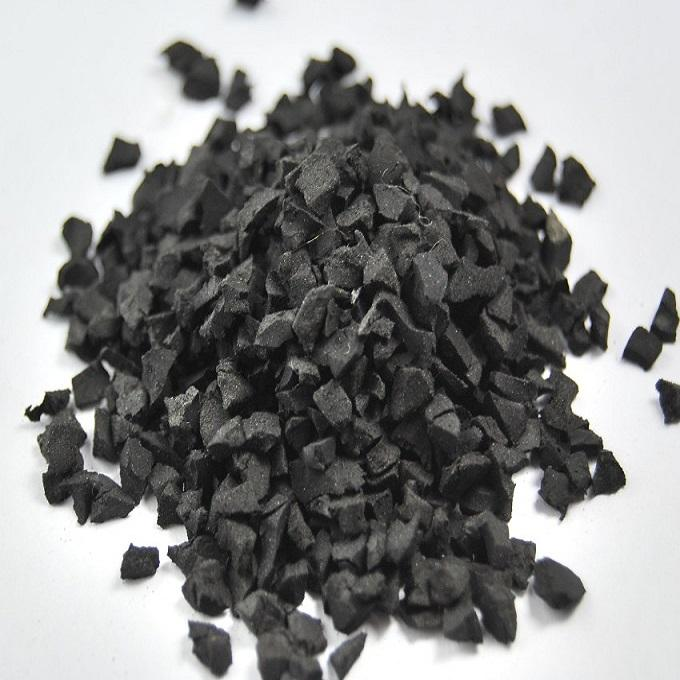
SBR rubber infill granules made from recycled rubber, cost-effective infill for synthetic football turf
Where SBR Performs Well
Community football pitches
School and municipal fields
Projects with strict budget limits
Advantages
Lowest material cost
Widely available worldwide
Extensive historical performance data
Acceptable shock absorption and traction
Trade-Offs
Dark color absorbs heat, leading to higher surface temperatures
Variable granule composition due to mixed tire sources
Ongoing discussions around microplastics and chemical perception
Best fit:
Projects prioritizing cost efficiency and proven playability over premium aesthetics or sustainability branding.
EPDM Rubber Infill: Consistency and Premium Feel
EPDM infill is manufactured from virgin synthetic rubber, allowing for precise control over granule size, elasticity, and color.
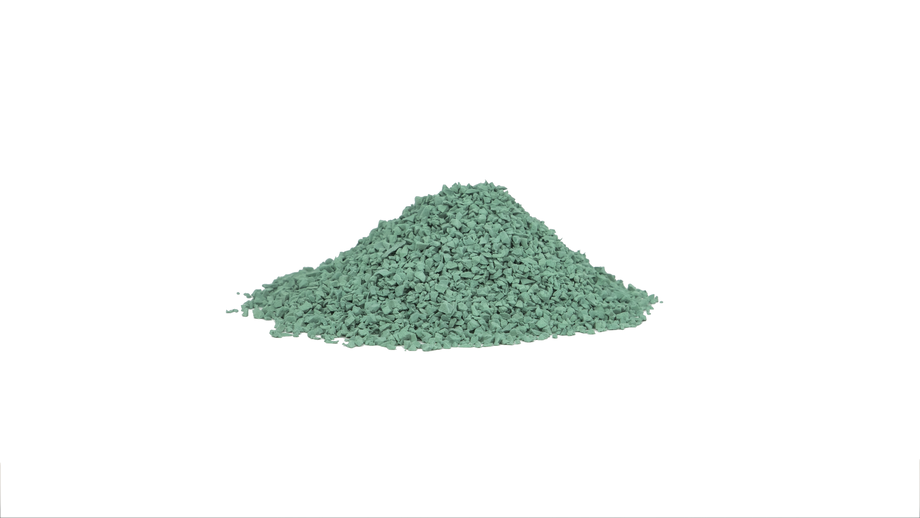
EPDM rubber infill granules made from virgin rubber with UV stability and color consistency for synthetic football turf
Where EPDM Is Preferred
High-end football facilities
Training centers and academies
Projects requiring color consistency or branding
Advantages
Uniform granule quality and predictable performance
Good UV resistance and color stability
Softer feel underfoot than many SBR products
Reduced odor and contaminant concerns
Trade-Offs
Significantly higher cost than SBR
Heat behavior similar to dark SBR infills
Still a synthetic polymer with microplastic considerations
Best fit:
Facilities seeking elite performance consistency and controlled material quality with a higher budget.
TPE Infill Granules: Premium Performance and Recyclability
TPE (Thermoplastic Elastomer) infill combines rubber-like elasticity with plastic-like process control. It is increasingly used in high-specification football and multi-sport fields.
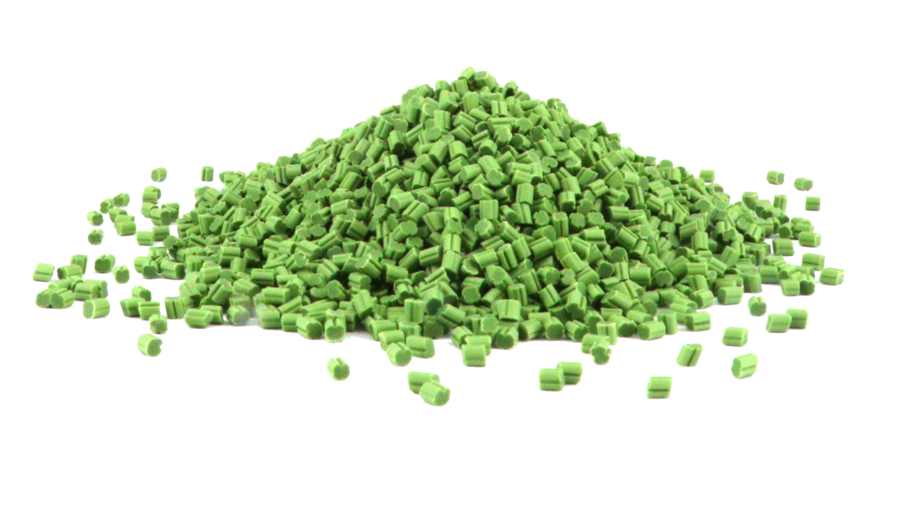
TPE infill granules, eco-friendly and 100% recyclable polymer infill for high-performance synthetic football turf systems
Where TPE Excels
Professional or intensively used pitches
Multi-sport facilities
Sustainability-driven projects
Advantages
Excellent resilience and shape retention
Resists compaction over long service life
Consistent granule size and smooth surface
Can be recycled at end of life
Available in lighter colors to reduce heat buildup
Trade-Offs
Premium price level
Still warmer than organic infills
Higher upfront investment
Best fit:
Projects prioritizing long-term performance, recyclability, and controlled material composition.
How to Choose the Right Infill for Your Football Pitch
When selecting between SBR, EPDM, and TPE, consider the following factors:
Budget constraints
Usage intensity (hours per week)
Player comfort and injury risk profile
Environmental requirements or public perception
Local climate and heat considerations
Project lifespan and maintenance strategy
There is no universal “best” infill—only the most appropriate option for a specific project context.
Conclusion
SBR, EPDM, and TPE infill granules all deliver reliable performance for synthetic football pitches, but they serve distinct market needs:
SBR remains the most economical and widely used solution
EPDM offers higher consistency and premium feel
TPE delivers top-tier resilience, recyclability, and long-term stability
Understanding these differences helps facility owners, designers, and consultants make informed, project-specific decisions that balance performance, cost, and sustainability goals.