Multi-Sport Artificial Grass: How to Choose Turf for Different Sports Venues
With the increasing demand for flexible sports facilities, many schools, communities, clubs, and commercial developments are choosing multi-sport artificial grass systems to create spaces that support different sporting activities within one venue.
Unlike traditional single-purpose sports surfaces, multi-sport artificial turf needs to balance multiple performance requirements, including ball response, player safety, durability, drainage, and maintenance efficiency.
However, choosing the right system is not simply about selecting an artificial grass product. A successful multi-use sports field requires careful consideration of the sport requirements, usage intensity, climate conditions, and overall project goals.
What Is Multi-Sport Artificial Grass?
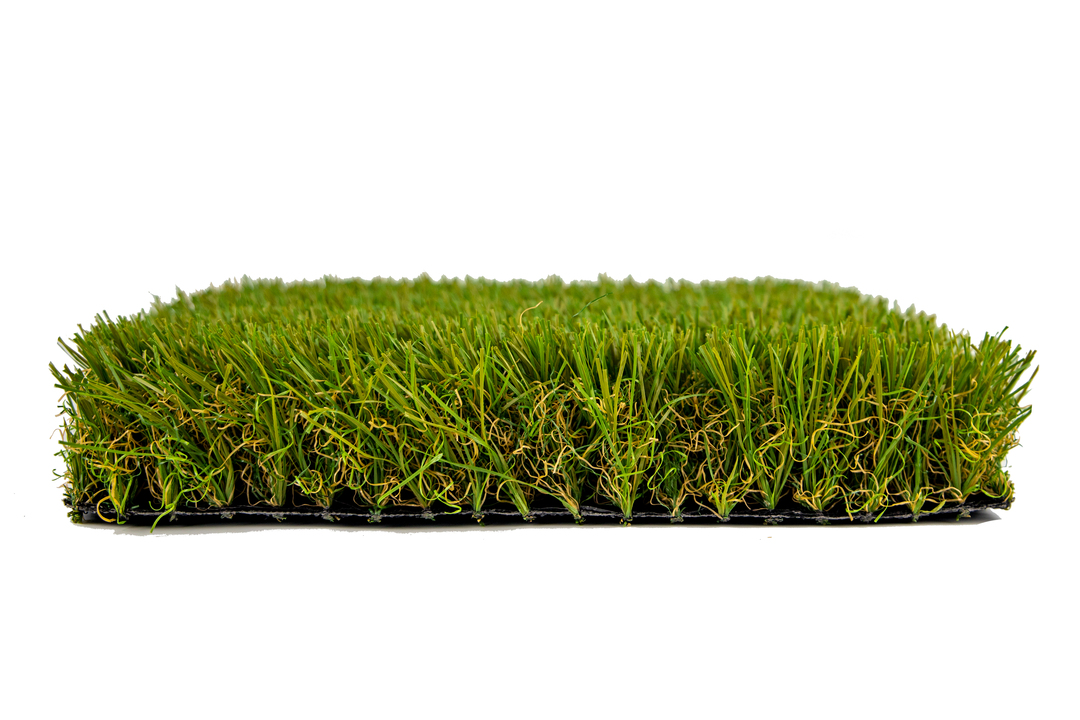
Multi-sport artificial grass is a synthetic turf system designed to support multiple sports activities on the same playing area. It is commonly used in schools, universities, community parks, training facilities, and recreational complexes where one field needs to accommodate different sports rather than a single dedicated application.
Compared with specialized sports surfaces designed for only one sport, multi-sport turf systems focus on achieving a balanced performance across different activities.
For example, a school sports field may need to support football training, hockey practice, recreational games, and physical education classes. In this situation, the turf system must provide suitable traction for athletes while maintaining consistent ball interaction across different sports.
A professional multi-sport artificial grass system usually includes several components, such as:
- Artificial turf fibers designed for durability and sports performance
- Backing systems that provide dimensional stability
- Infill materials or non-infill structures depending on application requirements
- Shock absorption layers for player comfort and injury prevention
- Drainage solutions adapted to local climate conditions
Therefore, multi-sport artificial grass should be considered as a complete sports surface system rather than only an artificial grass product.
Key Factors When Choosing Artificial Grass for Sports Venues
Selecting artificial grass for a multi-purpose sports venue requires evaluating several technical factors to ensure the surface performs well across different applications.
Sports Performance Requirements
Different sports have different expectations for surface response.
Football fields typically require good ball roll, consistent ball bounce, and sufficient traction for running and changing direction. Hockey applications often require a smoother surface with controlled ball movement and fast gameplay.
A multi-sport field needs to find the right balance between these requirements. The turf structure, pile height, fiber shape, and infill configuration all influence how the surface performs.
Durability and Usage Intensity
Sports facilities with high daily usage require turf systems that can withstand continuous foot traffic and repeated mechanical stress.
Factors such as fiber resilience, yarn strength, density, and UV resistance directly affect the service life of artificial grass.
For facilities such as schools or community sports centers, where different groups may use the field throughout the day, durability becomes one of the most important considerations.
Safety and Player Comfort
Player safety is another key factor when selecting multi-sport turf.
A suitable system should provide appropriate shock absorption, stable footing, and comfortable playing conditions. In professional or high-frequency applications, additional shock pads or elastic layers may be integrated into the system to improve impact performance.
CGT develops complete sports turf systems by combining artificial grass, performance layers, and supporting components to meet different project requirements.
Artificial Grass for Different Sports Applications
One of the advantages of multi-sport artificial grass is its flexibility across different sporting environments. However, each application still has specific performance expectations.
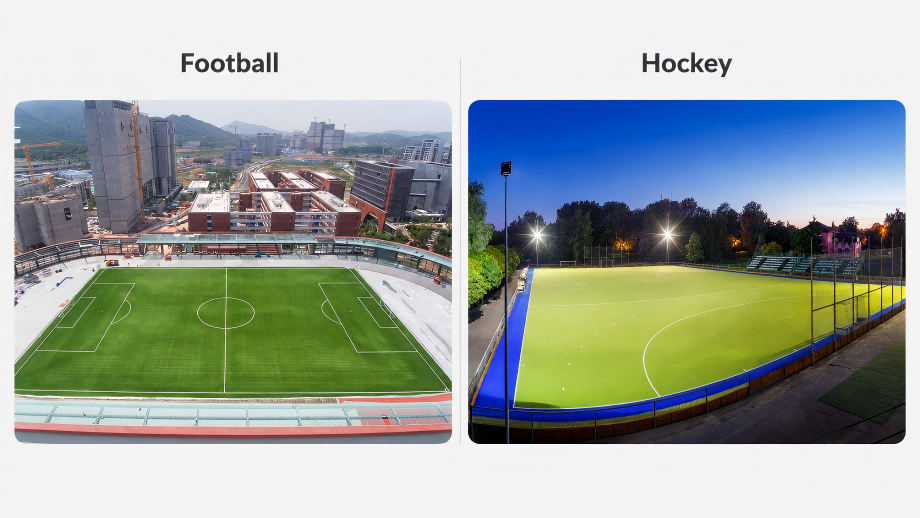
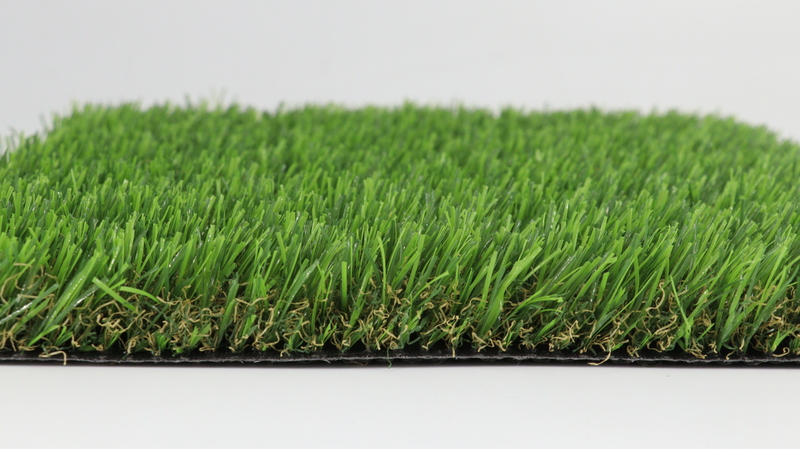
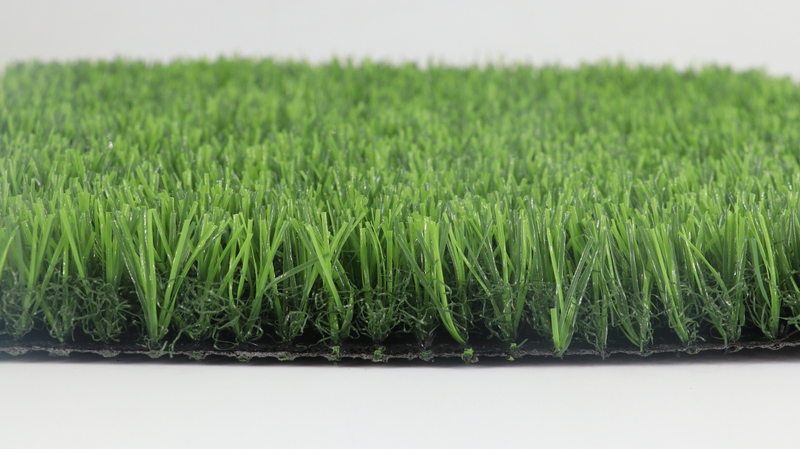
Artificial turf solutions designed for different sports applications
Football and Training Facilities
Football remains one of the most common applications for artificial turf systems.
For football training fields, the surface needs to support repeated sprinting, passing, shooting, and directional changes. Turf systems with durable fibers, suitable pile height, and optimized infill performance can help maintain consistent playability under intensive use.
For facilities that host both professional training and recreational activities, FIFA-tested artificial turf systems may provide higher performance standards and long-term reliability.
Hockey Applications
Artificial grass for hockey requires different surface characteristics compared with football.
Hockey typically demands a smoother and faster playing surface to allow accurate ball movement and quick gameplay. The turf structure, fiber density, and infill selection need to be carefully considered according to the expected playing level.
Non-infill sports turf systems are also becoming increasingly popular for certain applications because they can provide a cleaner surface, lower maintenance requirements, and consistent performance.
Schools and Community Sports Facilities
For schools, universities, and public sports areas, versatility and cost efficiency are often key priorities.
A multi-use artificial turf field allows different sports activities to share the same space, maximizing land utilization while reducing the need for multiple dedicated courts or fields.
In these projects, the ideal solution is usually a balanced system that combines durability, safety, easy maintenance, and suitability for different sports.
Infill vs Non-Infill Sports Turf: Which Option Is Better?
When selecting a multi-sport artificial grass system, one important decision is whether to choose an infill or non-infill structure.
Traditional artificial turf systems often use infill materials such as sand or rubber particles. These materials help stabilize the fibers, improve shock absorption, and create a more natural playing feel.
However, non-infill sports turf systems have gained attention in recent years, especially for projects looking for lower-maintenance solutions.
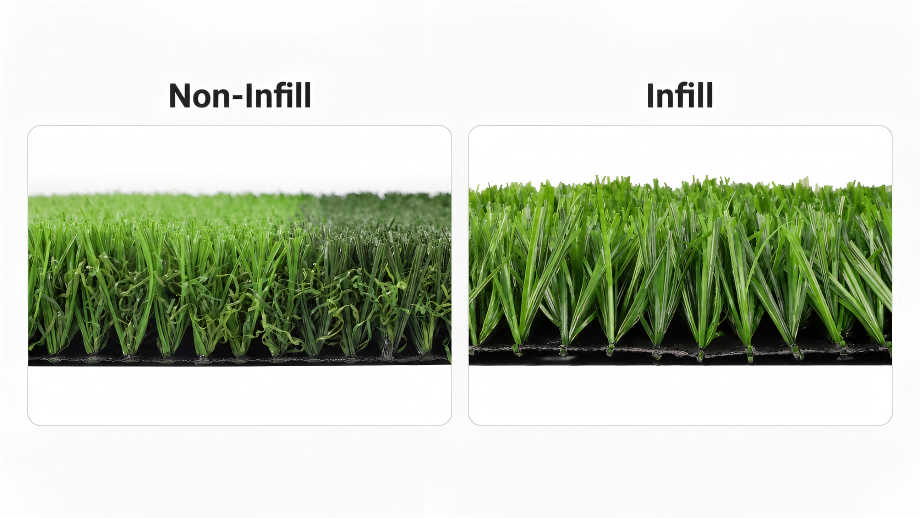
Non-infill vs infill sports turf comparison for multi-sport applications
Infill Sports Turf
Infill systems are widely used in football fields and many professional sports applications because they provide:
- Improved fiber support
- Enhanced shock absorption
- Natural ball interaction
- Better surface stability
The selection of infill type and quantity should depend on the sport, climate, and maintenance capability of the facility.
Non-Infill Sports Turf
Non-infill sports turf eliminates traditional infill materials by using specially designed fiber structures and backing systems.
Advantages may include:
- Reduced maintenance requirements
- Cleaner playing environments
- Easier surface management
- Suitable performance for specific applications
For example, CGT’s non-infill turf solutions are designed for projects requiring simplified maintenance while maintaining professional sports performance.
The better option depends on the project objectives. Instead of choosing based only on turf type, buyers should evaluate the entire sports system, including usage frequency, sport requirements, and long-term operation costs.
Selecting the Right Sports Turf Partner for Multi-Sport Projects
A successful multi-sport artificial grass project requires more than a quality turf product. It involves system design, technical evaluation, manufacturing capability, installation guidance, and long-term project support.
CGT has developed sports turf solutions for football fields, hockey applications, training facilities, schools, and community sports projects in different markets worldwide. Rather than supplying artificial grass alone, CGT focuses on matching turf systems with actual project needs, usage intensity, and local conditions.
For example, CGT supplied FIFA Quality Pro football turf solutions for professional training facilities, including the Tottenham Hotspur Training Centre in Enfield, UK. The project required a high-performance surface system designed for intensive professional training use.
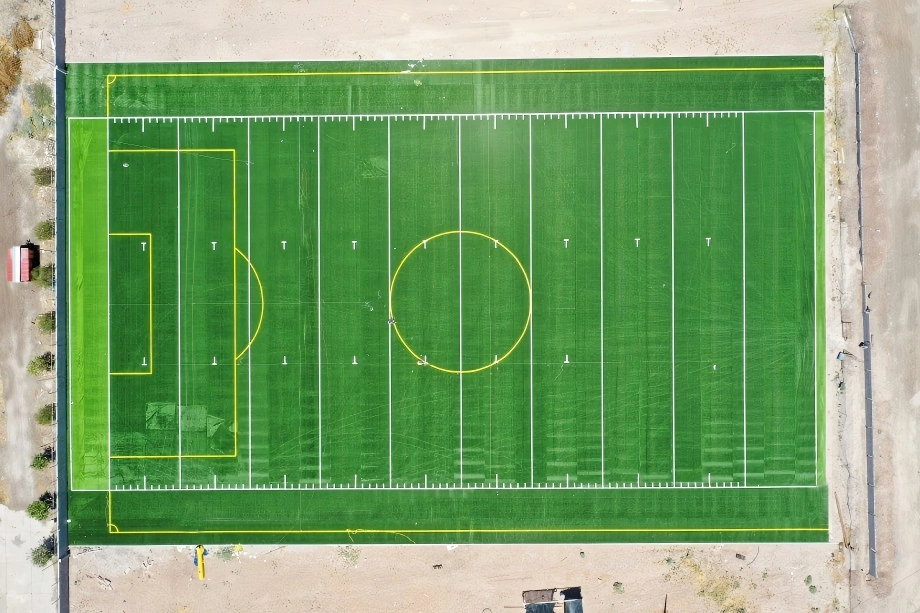
Multi-purposed artificial turf field for American football in Mexico
In addition to professional football projects, CGT has also delivered multi-use sports field solutions for other sports applications. In Mexico, CGT supplied artificial turf for an American football field designed for high-frequency use, demonstrating how a sports turf system can be adapted to local sporting preferences while maintaining durability, clear line marking visibility, and stable performance.
With integrated capabilities covering artificial grass manufacturing, sports system design, quality testing support, and project services, CGT helps customers develop reliable sports facilities with suitable turf systems for different applications.
Conclusion
Multi-sport artificial grass provides a flexible solution for modern sports facilities that need to support multiple activities within one venue. However, choosing the right system requires more than comparing turf appearance or specifications.
Factors such as sports performance, durability, safety, maintenance requirements, and project conditions should all be considered before selecting a suitable artificial turf system.
By working with an experienced sports turf partner, facility owners and developers can create multi-use sports environments that deliver consistent performance, long-term value, and better user experiences.
With comprehensive sports surface solutions and global project experience, CGT supports customers in building professional artificial turf facilities tailored to different sports and application needs.
Contact CGT to explore the right multi-sport artificial grass solution for your project.