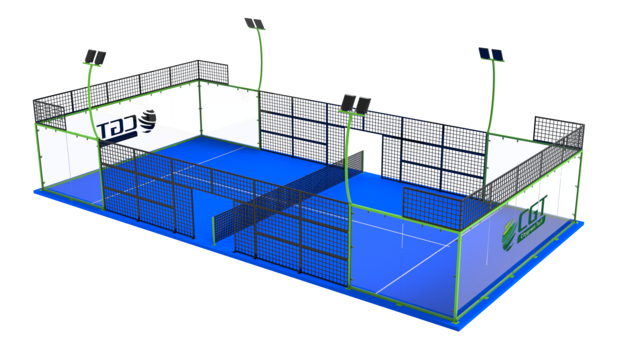
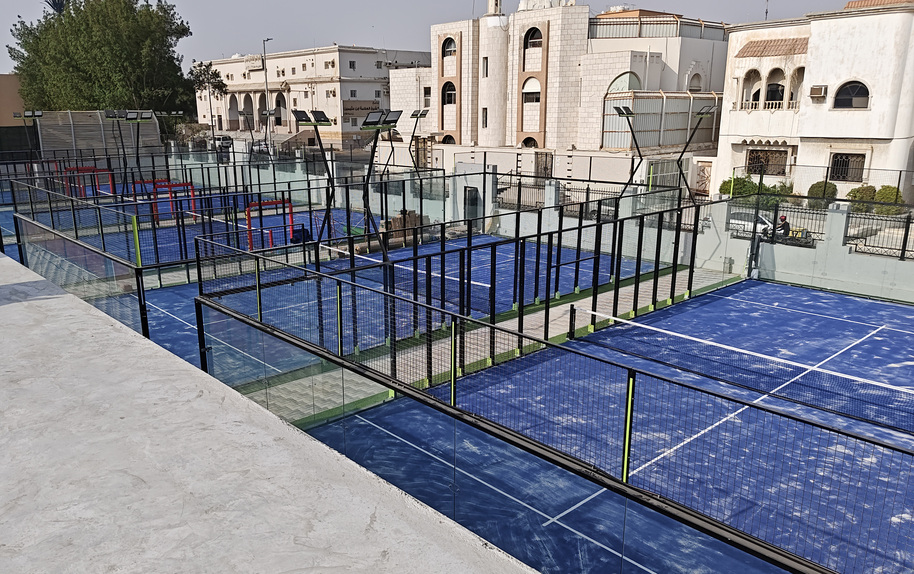
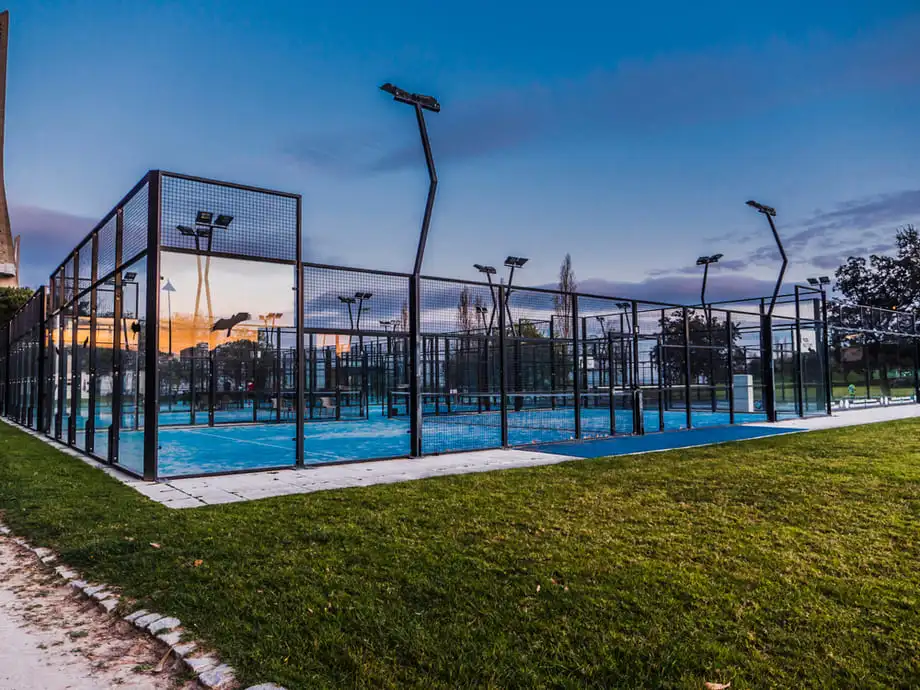
The global growth of padel continues to accelerate across Europe, the Middle East, Asia, and emerging sports markets worldwide. As more clubs, investors, developers, and sports organizations enter the industry, the discussion is gradually shifting from simply “building courts” to building high-quality padel courts that can support long-term performance, player experience, and commercial operation.
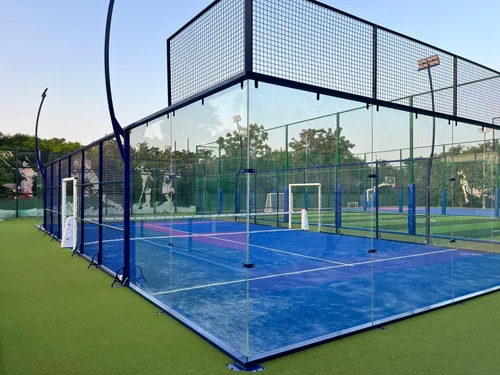
High-quality panoramic padel court for commercial sports facilities
In many markets, padel is no longer viewed as a short-term trend. It is becoming part of a larger sports infrastructure ecosystem that includes commercial clubs, community sports facilities, hotel resorts, schools, and professional competition venues.
As demand increases, so do expectations for court quality, durability, safety, and playing consistency. A professional padel court is not defined by appearance alone. Its performance depends on the integration of structural engineering, material selection, installation precision, and long-term system reliability.
This article explores the key materials and design factors that define a high-quality padel court and why these details matter for clubs, operators, and investors planning sustainable padel projects.
The Core Components of a Padel Court
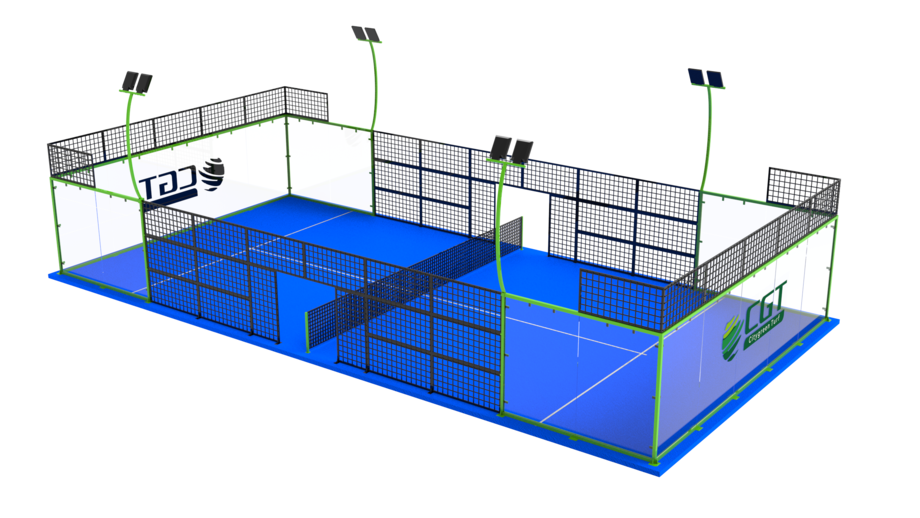
Technical diagram of a modern padel court system showcasing engineered components
A modern padel court is a combination of multiple engineered systems working together. While visual design is important, the actual playing quality depends heavily on the structural and technical components behind the court.
Structural Steel Framework
The steel structure forms the foundation of the entire court system. It directly affects stability, durability, wind resistance, and long-term maintenance performance.
High-quality padel courts typically use:
- Hot-dip galvanized steel structures
- Anti-corrosion surface treatment
- Precision welding and connection systems
- Engineered load-bearing calculations
- Stable modular assembly systems
Structural quality becomes especially important in outdoor environments exposed to wind, humidity, coastal conditions, or high-frequency commercial usage.
Poor structural design can lead to vibration, deformation, loose connections, and reduced court lifespan over time.
For international projects, engineering standards must also adapt to different climate conditions and local construction requirements.
Tempered Glass System
Glass is one of the most recognizable elements of padel court design, but it also plays a critical role in gameplay consistency and player safety.
Professional-grade courts commonly use tempered safety glass with optimized thickness and impact resistance.
Key considerations include:
- Ball rebound consistency
- Surface flatness
- Impact resistance
- Installation precision
- Long-term structural stability
In high-level padel environments, improper glass installation can affect gameplay quality through inconsistent rebounds or vibration during matches.
Glass alignment tolerance, connection systems, and frame integration are therefore essential parts of professional court engineering.
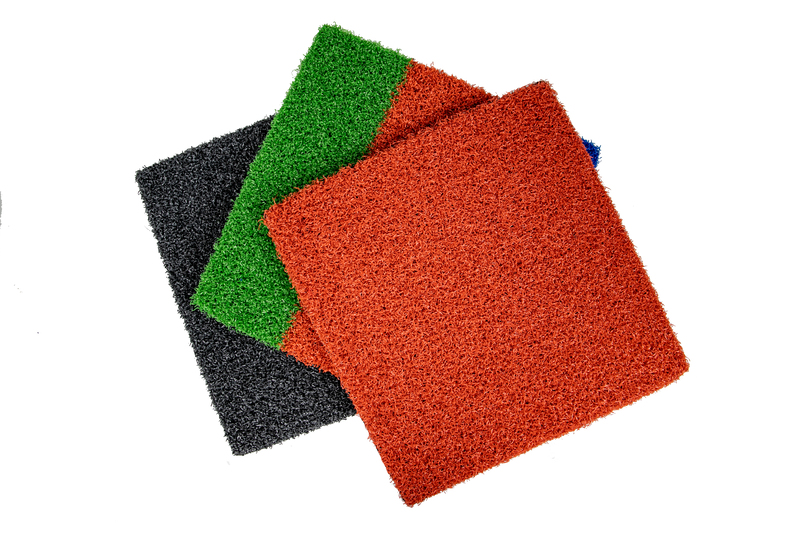
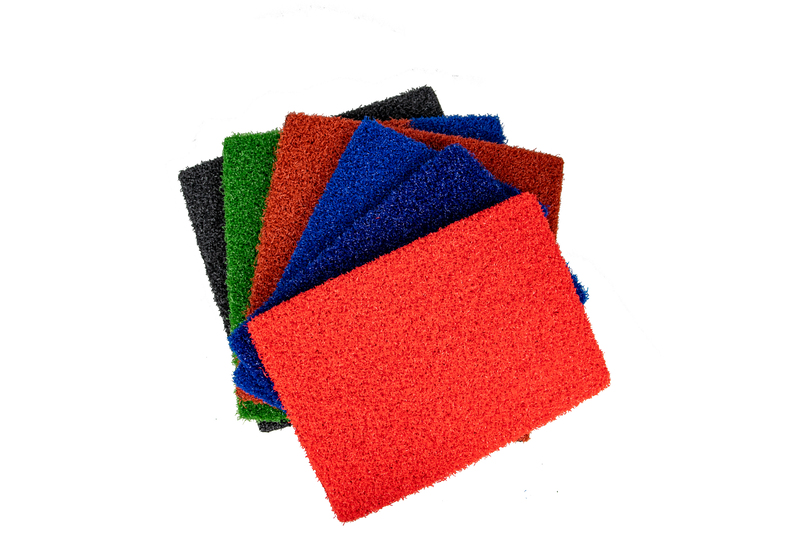
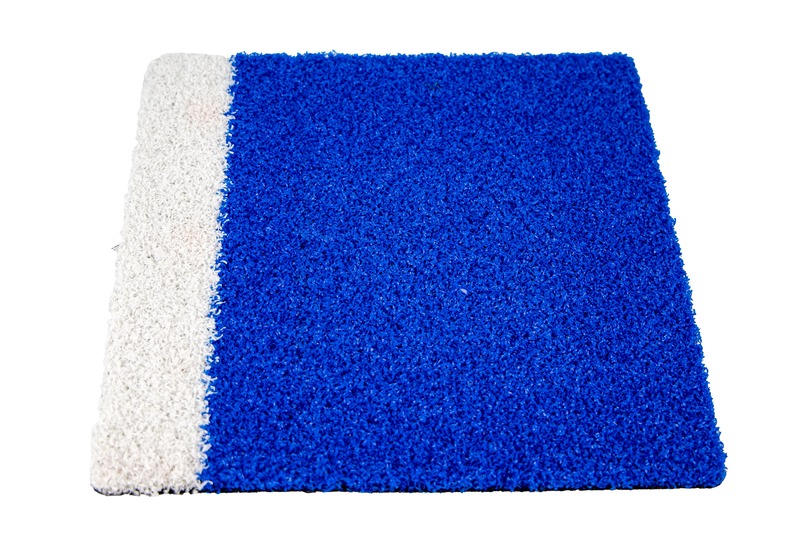
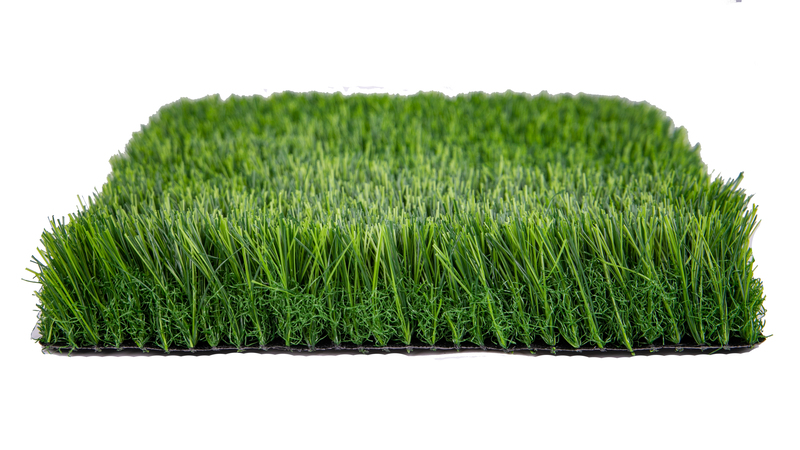
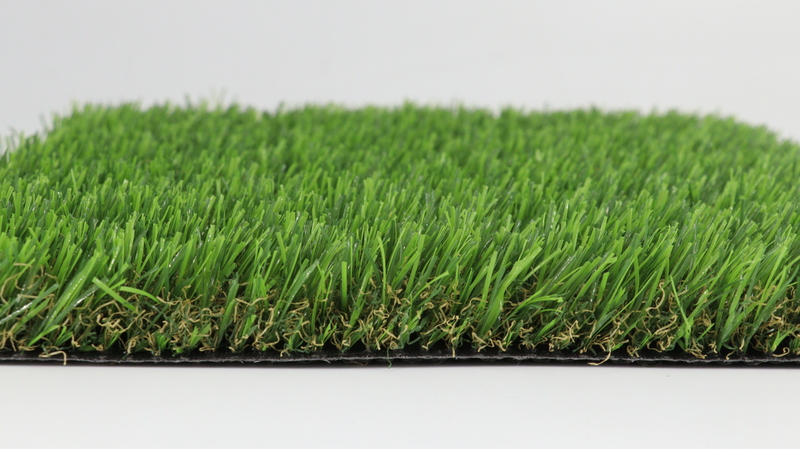
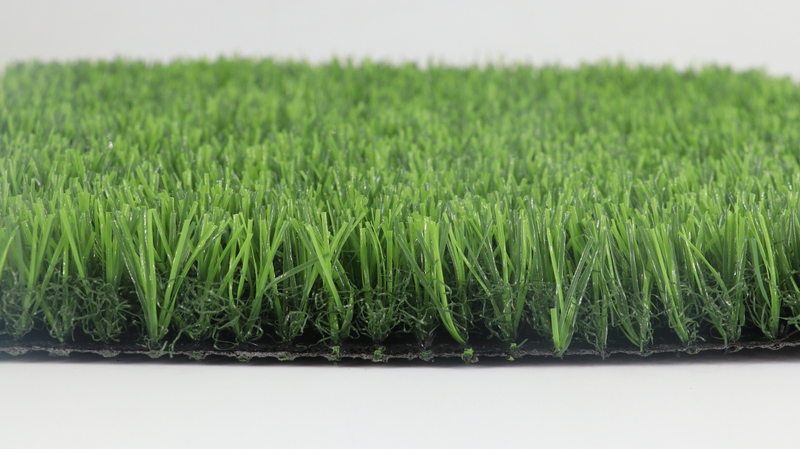
Artificial Turf System
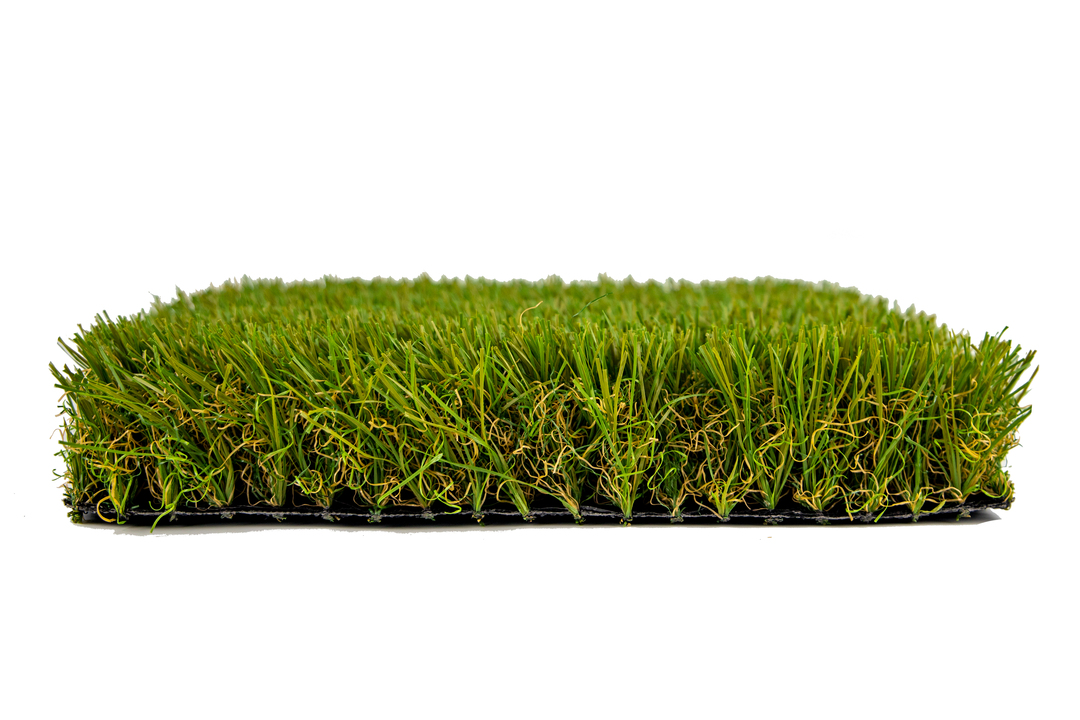
The artificial turf system significantly influences player movement, traction, comfort, and overall ball behavior during play.
Different turf specifications may be suitable for commercial clubs, competition venues, recreational facilities, or professional training environments. A high-quality turf system must balance ball speed, rebound consistency, player grip, sliding comfort, and long-term durability while maintaining resistance to UV exposure and intensive usage.
The interaction between turf density, yarn structure, and sand infill distribution directly affects overall playability, which is why turf selection should always be considered as part of the total court system rather than an isolated product decision.
For example, professional-oriented systems such as the CGT KDK9000 Padel Pro turf are developed to support more consistent ball response, controlled sliding behavior, and stable performance under intensive commercial usage conditions.
Key Factors That Define Court Quality
Wind Resistance and Structural Stability
Outdoor padel courts must withstand environmental stress over long operational periods, making wind resistance and structural stability essential parts of court engineering.
As padel expands into more diverse environments—including rooftop clubs, coastal developments, open commercial facilities, and large-scale sports complexes—structural adaptability becomes increasingly important for long-term court performance and safety.
A properly engineered court system should maintain stability under demanding wind conditions without compromising gameplay quality or structural integrity. This involves coordinated engineering across steel thickness calculations, anchor systems, structural reinforcement, connection design, and foundation integration.
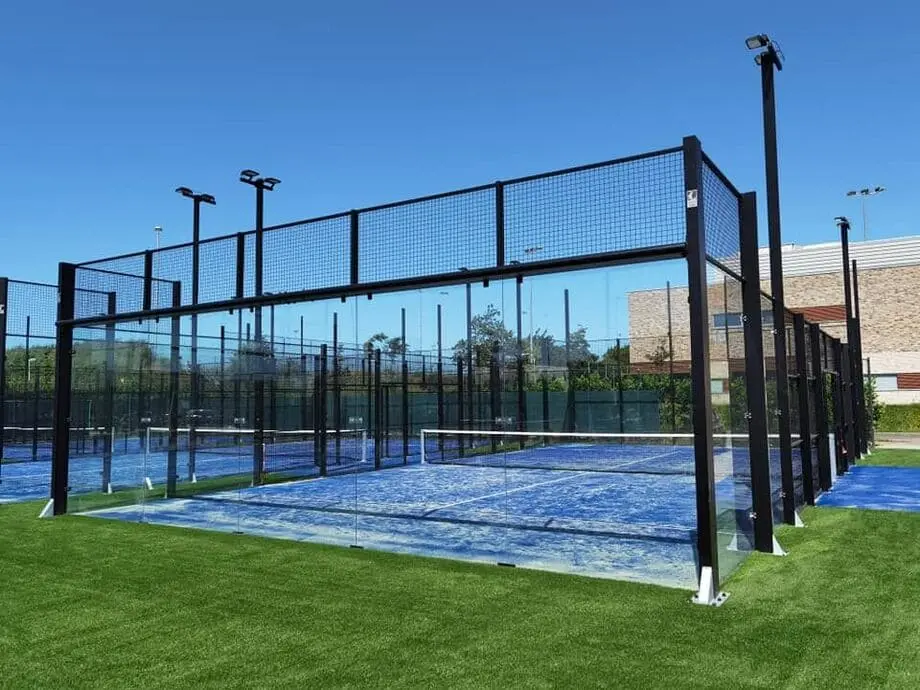
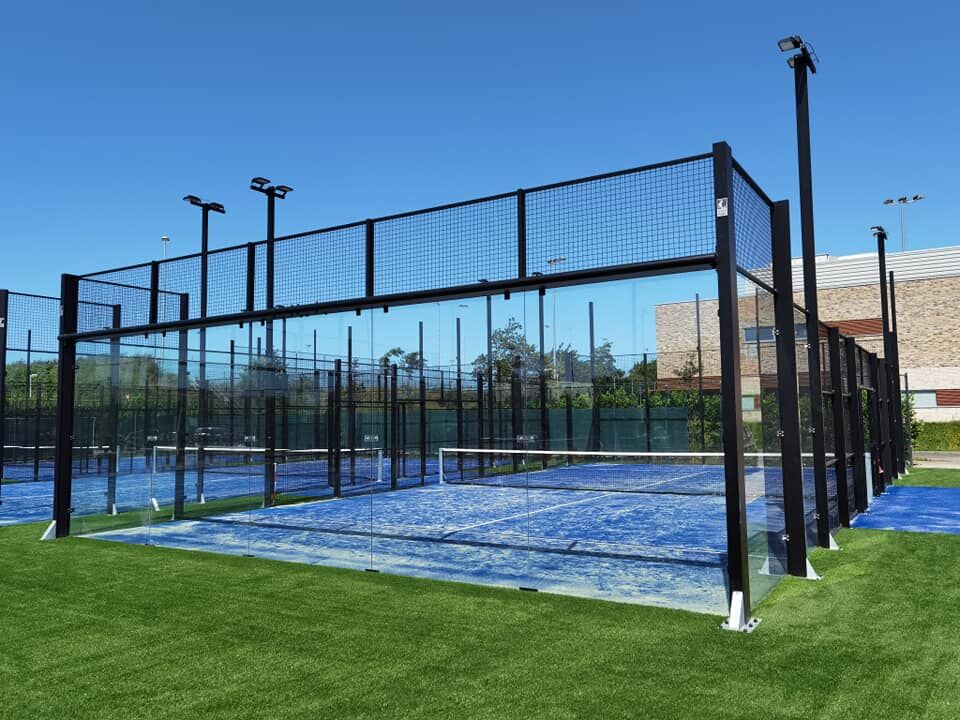
Outdoor padel court engineered for wind resistance and structural stability
Player Safety
Safety is one of the clearest indicators of overall court quality.
Professional padel systems should minimize risks associated with structural instability, glass impact, slipping surfaces, uneven rebound areas, and exposed connection details. However, material quality alone is not enough. Even premium systems can underperform if installation accuracy is poor.
For this reason, experienced technical coordination and professional installation teams play a major role in delivering safe and reliable padel environments, particularly in commercial and competition-level projects.
Ball Rebound Consistency
One of the most noticeable differences between standard and high-quality courts is rebound consistency.
Professional gameplay depends on predictable ball response across glass surfaces, turf areas, corner transitions, and structural boundaries. Inconsistent rebound behavior negatively affects both player experience and competition standards.
This consistency is influenced by multiple technical factors working together, including surface flatness, glass alignment, turf quality, structural rigidity, and installation precision. For commercial clubs, maintaining consistent playing conditions also contributes to player retention and long-term operational reputation.
Super Panoramic vs Panoramic Padel Court
As the industry develops, court design formats have also evolved. At CGT, we mainly provide three panoramic court solutions designed for different project requirements: Super Panoramic, Premium Panoramic, and Standard Panoramic systems.
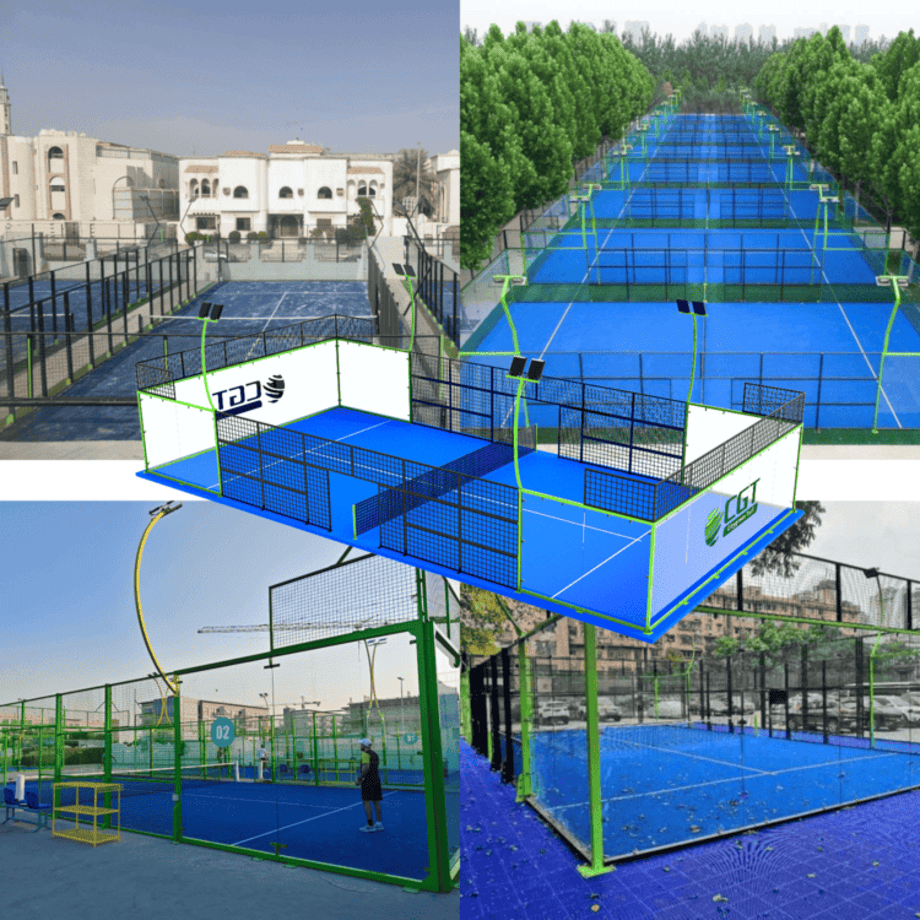
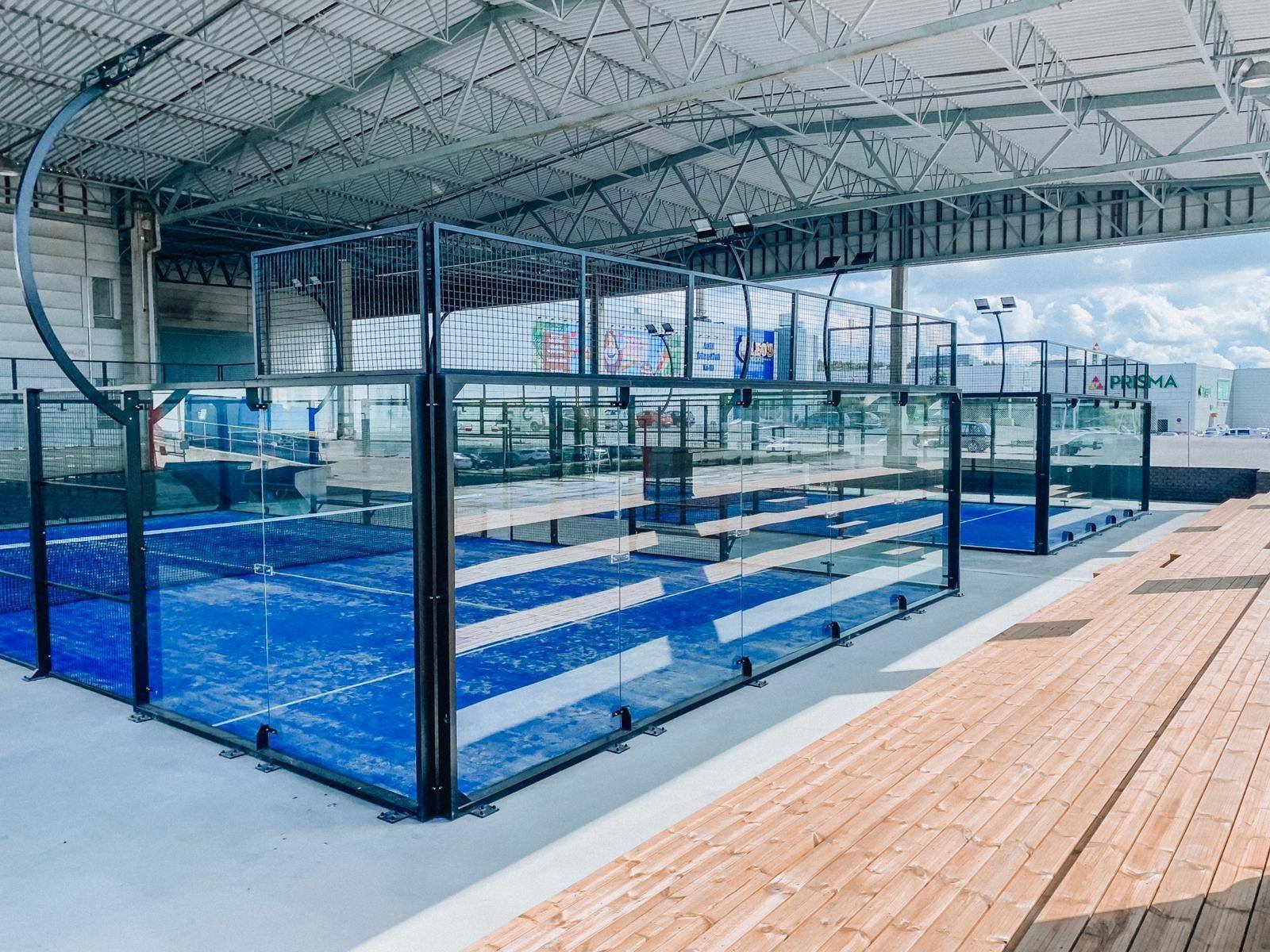
CGT panoramic padel court project delivered in a commercial sports facility
The Super Panoramic court represents the highest specification within the panoramic category. Featuring a fully open structure without corner pillars, it delivers a true 360° viewing experience with minimal visual obstruction, making it the preferred solution for professional tournaments and World Padel Tour-level events. Its advanced structural design and premium materials also place it at the highest end of the investment range.
The Premium Panoramic court offers a strong balance between aesthetics, durability, and long-term performance. Using upgraded materials and enhanced structural specifications, it is widely suited for high-end commercial clubs, resorts, and professional sports environments seeking a more premium appearance and playing experience without full tournament-level configuration.
The Standard Panoramic court remains one of the most practical and cost-effective solutions for commercial projects. With reliable structural stability, panoramic visibility, and efficient installation capability, it is commonly selected for clubs, training centers, schools, and multi-court developments where operational efficiency and return on investment are especially important.
The right panoramic court system ultimately depends on factors such as project positioning, budget, operational goals, spectator requirements, and long-term usage expectations.
The Advantages of an Integrated Padel Court System
In modern international projects, successful padel development depends not only on manufacturing capability, but also on integrated project execution.
A complete padel system solution typically combines court design support, engineering coordination, material production, logistics planning, overseas installation, technical guidance, and long-term after-sales support within a single project framework.
At CGT, our padel court systems are developed around the coordination of structural engineering, material quality, installation precision, and long-term operational reliability. Rather than treating the court as a standalone product, we approach each project as part of a complete sports infrastructure solution adapted to different environments and commercial requirements.
From court design support and engineering coordination to overseas installation and technical guidance, integrated execution helps improve construction efficiency while ensuring consistency across the entire project lifecycle.
Professional installation capability is particularly important because installation precision directly affects structural performance, glass stability, court alignment, and overall gameplay experience. As international padel standards continue to evolve, system integration is becoming increasingly important for commercial clubs and professional sports facilities seeking long-term operational quality.
Suitable Applications for High-Quality Padel Courts
High-quality padel courts are now being integrated into a wide range of commercial and professional sports environments.
For commercial clubs, court quality is closely connected to player retention, booking consistency, and long-term operational efficiency. In these projects, CGT supports clients with padel systems designed for intensive usage, stable performance, and scalable club development.
In hospitality and leisure developments such as resorts, residential communities, and mixed-use sports destinations, padel courts increasingly serve as part of a broader recreational experience where aesthetics, durability, and low-maintenance operation become especially important.
As global demand for competition-level infrastructure continues to grow, professional tournaments and sports venues are also placing greater emphasis on structural engineering, spectator visibility, gameplay consistency, and international installation standards. These environments require not only high-performance court systems but also experienced project coordination across design, production, and installation execution.
Conclusion
A high-quality padel court is the result of far more than attractive visual design.
From structural steel engineering and tempered glass systems to turf performance and installation precision, every component contributes to player safety, gameplay consistency, and long-term operational reliability.
As the global padel industry continues to mature, clubs, investors, and sports developers are placing greater emphasis on professional engineering standards and integrated project delivery.