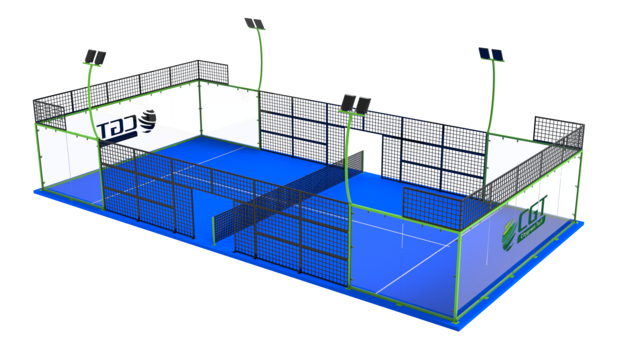
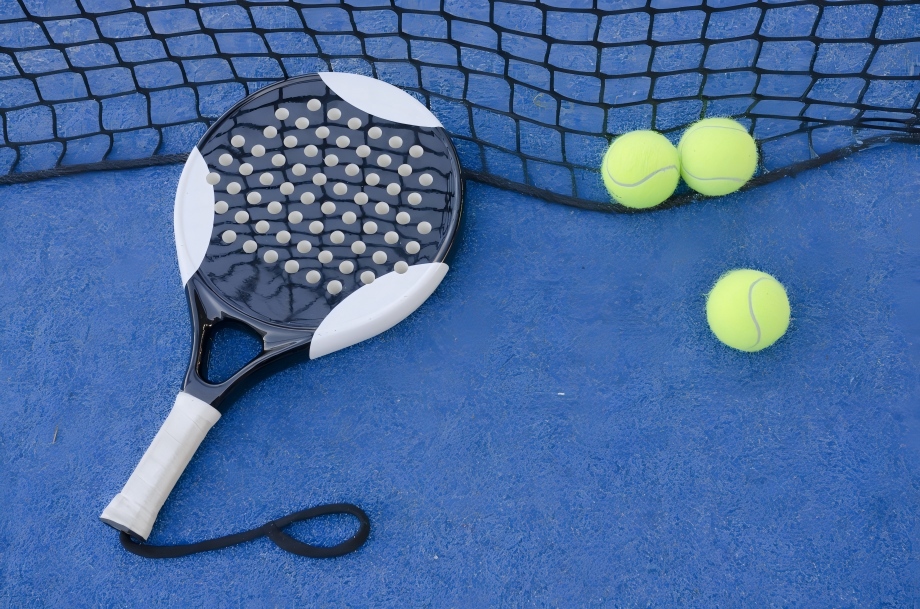
When planning a padel court project, many investors focus on the court structure, glass panels, lighting, and overall design. However, the playing surface is one of the most important elements affecting player experience, court performance, and long-term maintenance.
A suitable padel court surface needs to provide consistent ball response, reliable traction, durability under frequent use, and stable performance in different environments.
Unlike many other sports surfaces, padel requires frequent acceleration, quick direction changes, and repeated movements around the court. Therefore, selecting the right turf system is not simply about choosing artificial grass, but about creating a complete playing environment that matches the needs of players and facility operators.
Why the Surface Matters in a Padel Court Project
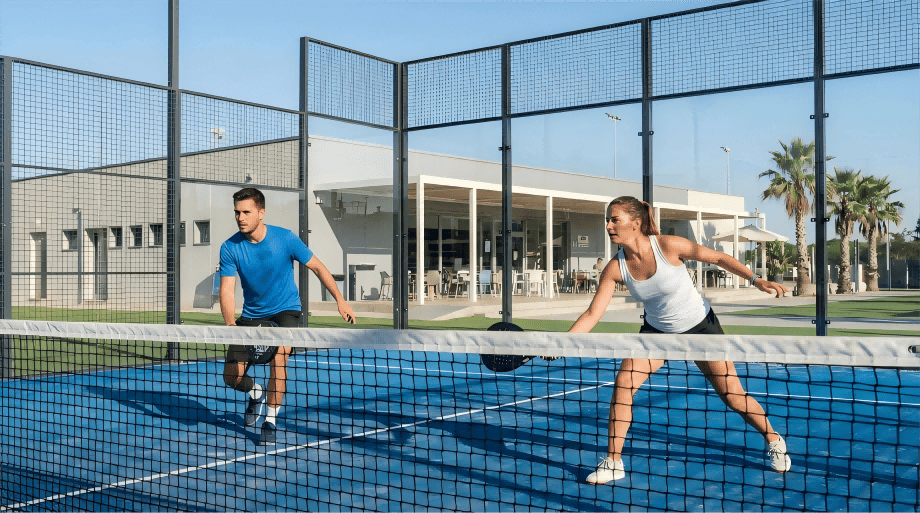
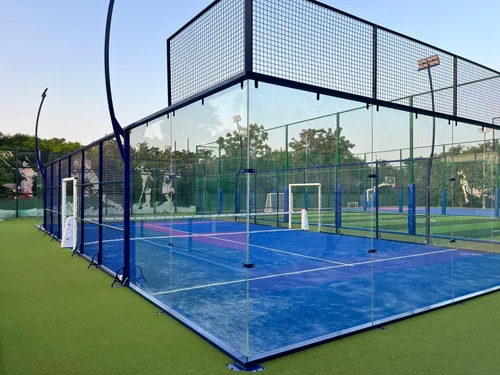
padel players on an artificial turf court designed for performance and comfort
The surface directly influences how a padel court performs during daily use.
During a match, players constantly move forward, backward, and laterally while reacting quickly to the ball. A suitable surface helps maintain consistent movement, improve player comfort, and reduce unnecessary maintenance issues.
A high-quality padel court surface should provide:
Consistent Playing Performance
The combination of turf structure, infill system, and installation quality affects ball response and player movement. A well-designed surface helps create predictable playing conditions for both recreational and competitive users.
Proper Grip and Player Comfort
Padel requires frequent stops and changes of direction. The surface should provide sufficient grip while maintaining comfort during long playing sessions.
Durability for Intensive Use
Commercial padel clubs often operate multiple courts throughout the day. The turf system needs to maintain fiber resilience, appearance, and performance after repeated use.
Adaptability to Different Environments
Outdoor courts need to consider factors such as UV exposure, weather conditions, and drainage, while indoor courts may focus more on usage frequency and player experience.
Main Types of Padel Court Surfaces
Artificial turf is currently the most widely used surface solution for modern padel courts because it provides a good balance between performance, durability, and maintenance efficiency.
Different turf structures can create different playing characteristics depending on the project requirements.
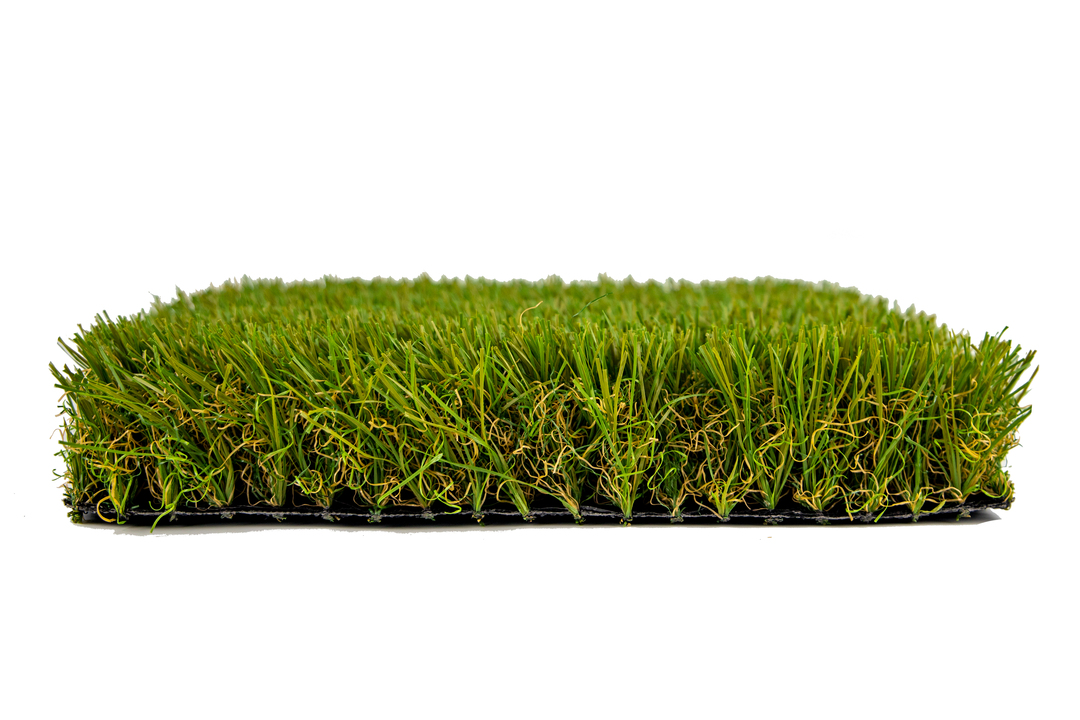
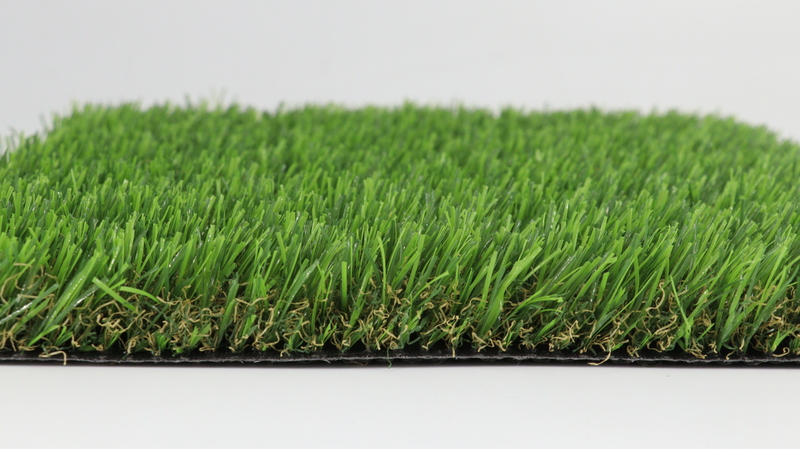
KDK Monofilament Padel Turf
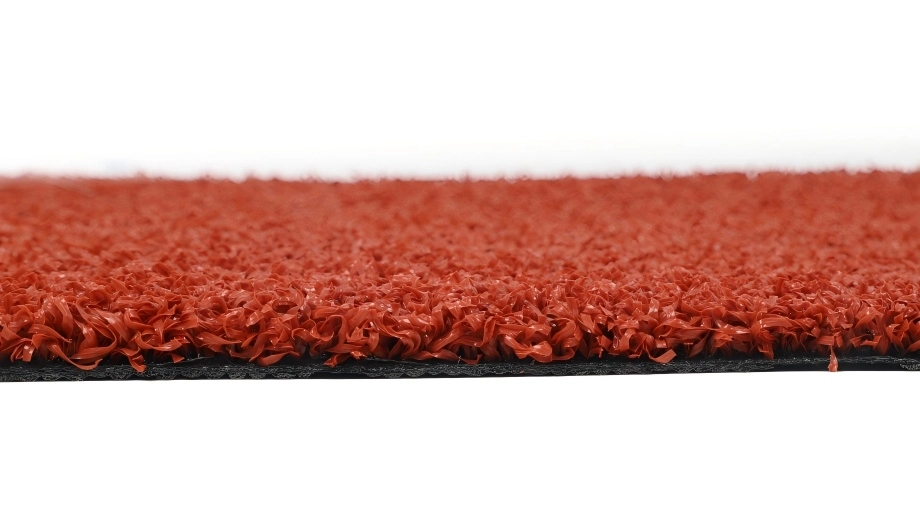
KDK monofilament artificial turf system for high-performance padel courts
For commercial and premium padel facilities, monofilament turf systems are often selected because they provide enhanced fiber resilience, a more natural appearance, and consistent playing performance.
CGT's KDK Padel turf system is designed for projects requiring higher durability and professional playing conditions.
Key advantages include:
- Excellent fiber recovery
- Stable upright appearance
- Consistent playing experience
- Better durability for intensive use
With its performance advantages, KDK turf is suitable for professional padel clubs, training facilities, commercial sports centers, and projects with higher requirements for court quality.
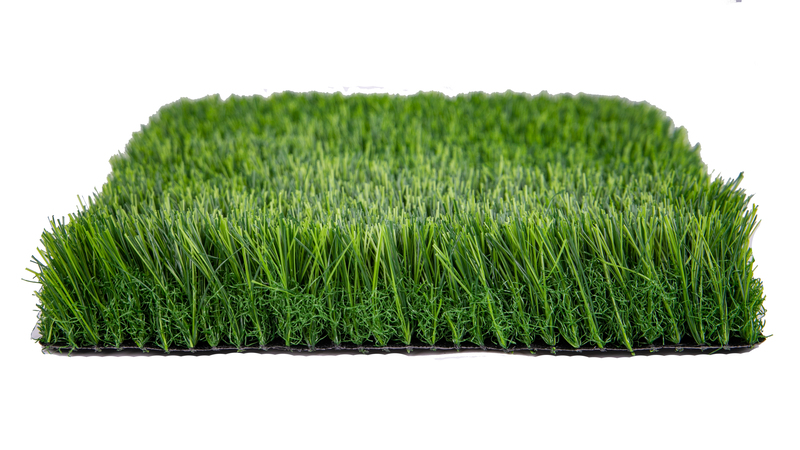
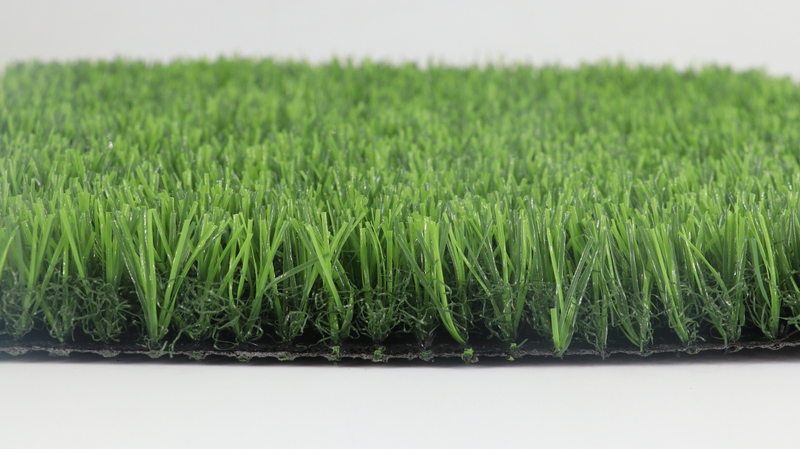
Curly Monofilament Padel Turf
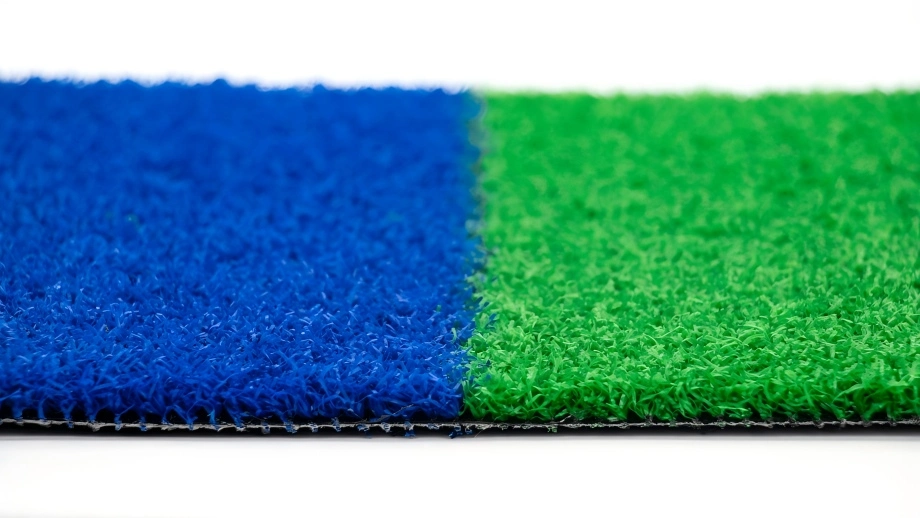
curly monofilament padel turf for recreational and community padel courts
Curly monofilament turf provides a practical solution for projects looking for reliable performance and efficient maintenance.
The curled fiber structure helps stabilize the infill system and maintain consistent surface conditions during play.
Key advantages include:
- Stable surface structure
- Good durability
- Reliable traction
- Easy maintenance
This type of turf is suitable for community courts, recreational facilities, and projects focusing on cost efficiency and daily usability.
What Makes a Good Padel Turf System?
Choosing a suitable padel surface requires considering more than the turf fiber itself. The complete system design also plays an important role in ensuring long-term performance.
Fiber Structure and Material Quality
The fiber shape, thickness, and material composition influence durability, resilience, and playing characteristics.
Important factors include:
- Fiber type
- Yarn quality
- UV resistance
- Recovery ability
For outdoor padel courts, UV-resistant materials are especially important to maintain stable performance under long-term sunlight exposure.
Pile Height and Density
Pile height affects player movement, ball interaction, and infill distribution.
A suitable turf structure helps maintain:
- Stable foot placement
- Consistent gameplay
- Better surface durability
Density is also an important factor for commercial projects where the court experiences frequent bookings.
Infill System Compatibility
Most padel turf systems work together with silica sand infill.
The infill helps:
- Stabilize turf fibers
- Improve traction
- Maintain consistent playing conditions
The amount and type of infill should be selected according to the turf structure and expected usage.
Base Preparation and Installation Quality
Even high-quality turf requires proper installation to perform effectively.
A complete padel court surface solution should consider:
- Foundation preparation
- Drainage design
- Turf installation
- Long-term maintenance
For investors planning a complete padel facility, selecting a professional padel court system is equally as important as choosing the right turf.
How to Choose Padel Turf for Different Project Types
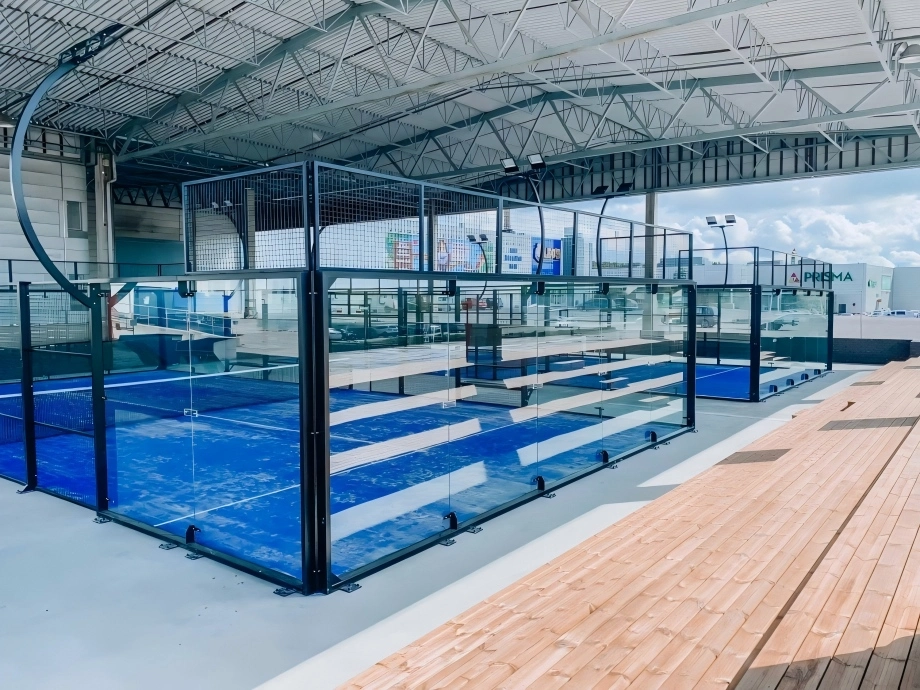
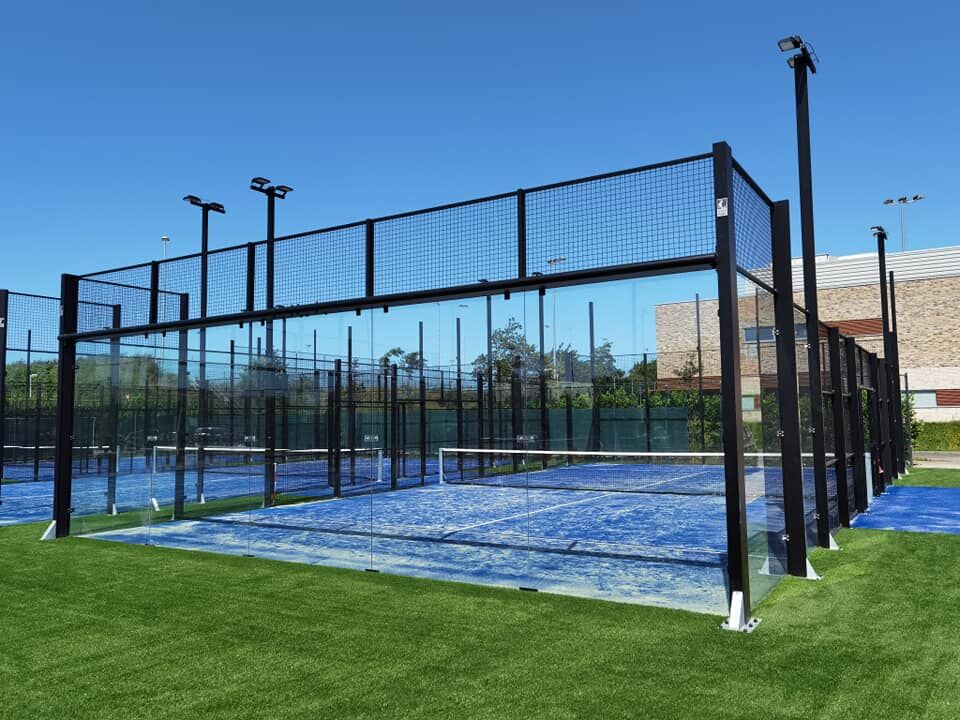
modern padel court with artificial turf for recreational and club use
Different padel projects have different requirements for surface performance. The ideal turf solution depends on factors such as usage frequency, climate conditions, facility positioning, and player expectations.
With experience in global sports surface projects, CGT provides customized padel turf and court solutions based on different environments and application scenarios, helping partners select suitable systems for clubs, resorts, training facilities, and community projects.
Padel Clubs
Commercial padel clubs usually prioritize player experience, court availability, and long-term operating efficiency.
For facilities with multiple courts and frequent daily bookings, the turf system should provide:
- Strong fiber resilience
- Stable playing performance
- Good appearance retention
- Easy maintenance
For premium clubs with higher expectations for player experience and intensive usage, KDK monofilament turf is often a suitable option due to its improved fiber recovery and consistent playing performance.
Resorts and Hotels
For resort and hospitality projects, padel courts are not only sports facilities but also part of the overall guest experience.
Important considerations include:
- Attractive appearance
- Comfortable playing experience
- Outdoor weather resistance
- Compatibility with surrounding environments
For outdoor leisure projects, turf selection should consider local climate conditions, UV exposure, and maintenance requirements. A suitable turf system helps maintain consistent performance while fitting naturally into the overall resort environment.
Training Centers
Training facilities require surfaces that can handle repeated practice sessions and different levels of player activity.
Key requirements include:
- Consistent ball response
- Reliable traction
- High durability
For training environments with frequent daily use, monofilament turf systems can provide stable performance and better resilience, helping create reliable practice conditions for players.
Community and Recreational Courts
Community courts usually focus on balancing investment efficiency, durability, and user experience.
The ideal surface should provide:
- Reliable daily performance
- Reasonable maintenance requirements
- Long service life
For recreational facilities and community projects, curly monofilament turf can be a practical choice, offering stable performance and efficient maintenance for regular use.
After evaluating different project types, selecting the right padel turf is only one part of successful court development.
A complete solution should also consider court structure, glass system, lighting, installation conditions, and local climate requirements.
With one-stop padel court solutions covering turf systems, court components, and project support, CGT helps partners develop customized padel facilities suitable for different environments and application needs.
Building High-Performance Padel Courts with the Right Surface System
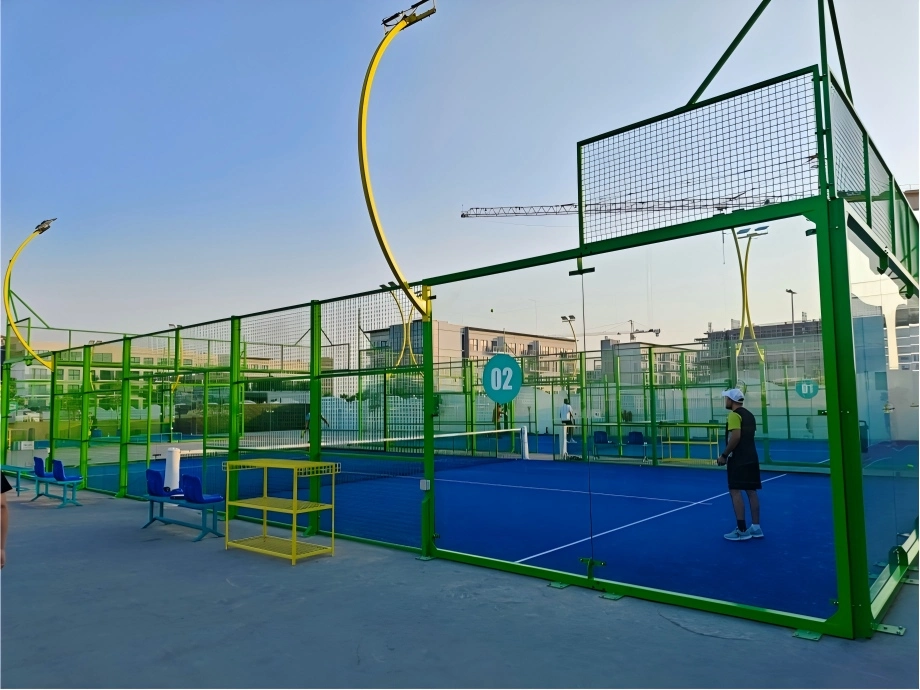
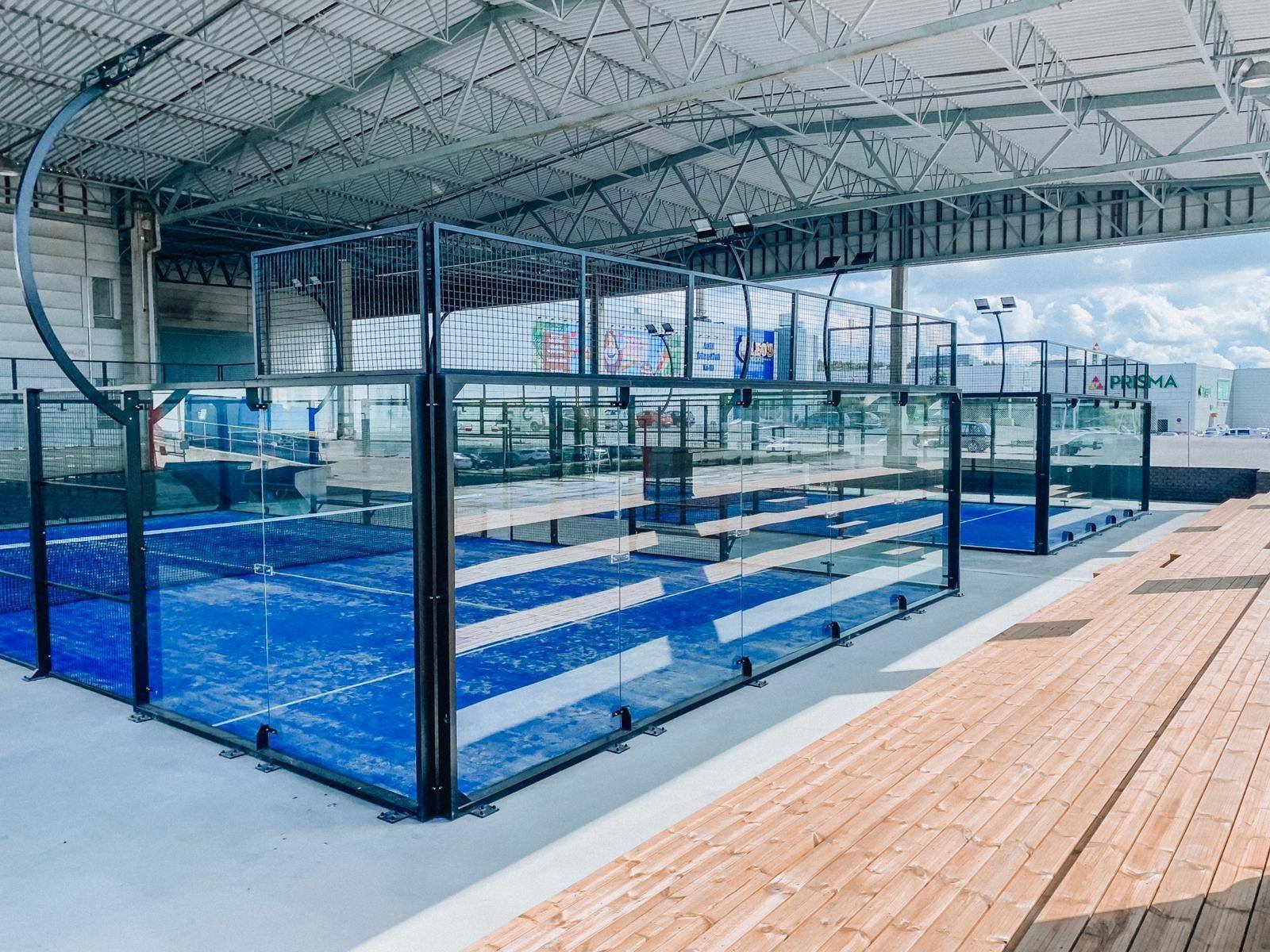
Dubai padel court project with artificial turf and complete court system
With the rapid growth of padel worldwide, more sports clubs, resorts, communities, and commercial facilities are investing in professional padel courts. As the sport continues expanding into different markets, project owners are paying more attention not only to court appearance but also to long-term performance, durability, and user experience.
Choosing the right surface is an important part of creating a successful padel facility, but it is not the only consideration. A complete padel court solution needs to combine suitable turf selection, structural design, glass systems, lighting, installation quality, and environmental factors such as climate conditions and expected usage intensity. A well-integrated system helps ensure consistent playing performance and long-term operational value.
As a sports surface solution provider, CGT supports padel projects in different markets by providing customized turf systems and integrated court solutions. With experience across various application scenarios, CGT helps partners select suitable solutions based on project requirements, including commercial clubs, training facilities, resorts, and community courts.
- Padel turf system selection based on usage requirements and environmental conditions
- Complete padel court systems, including court structures, glass panels, and lighting solutions
- Customized solutions for different project types, climates, and installation environments
- Technical support for installation guidance and project implementation
From surface selection to complete court system integration, CGT works with partners to develop reliable padel facilities designed for long-term performance and operational value.
Conclusion
Choosing the right padel court surface is essential for creating a high-quality playing environment. Factors such as turf structure, fiber material, infill system, project usage, and maintenance requirements should all be considered before selecting a surface solution.
The best surface for padel is not only determined by the turf itself but also by how the complete court system works together to support players and facility operators.
With experience in sports surface solutions and padel facility development, CGT supports partners in creating durable and reliable padel courts tailored to different project needs.
Contact CGT to explore a suitable padel court surface solution for your project.