

How Better Sports Facilities Are Built in Today's Global Market
Building better sports facilities is no longer a simple construction task. A modern football field, padel court, or multi-sport complex must respond to performance expectations, land conditions, climate, safety standards, player comfort, operating budgets, and long-term maintenance. Owners are not only buying a field or a court; they are investing in a facility that must generate reliable use, stable revenue, and a strong experience for athletes, clubs, schools, communities, and commercial operators.
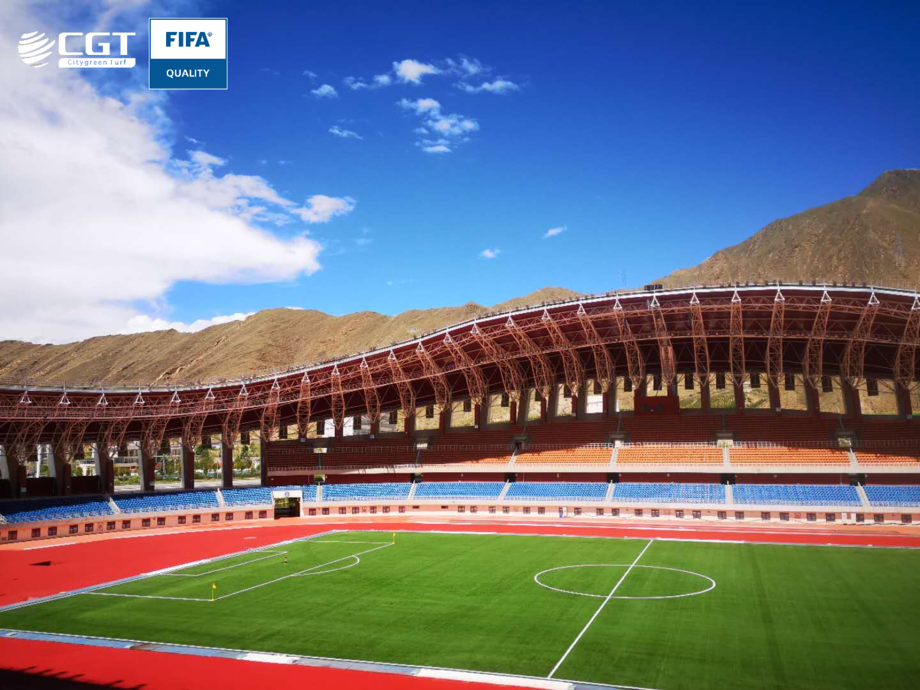
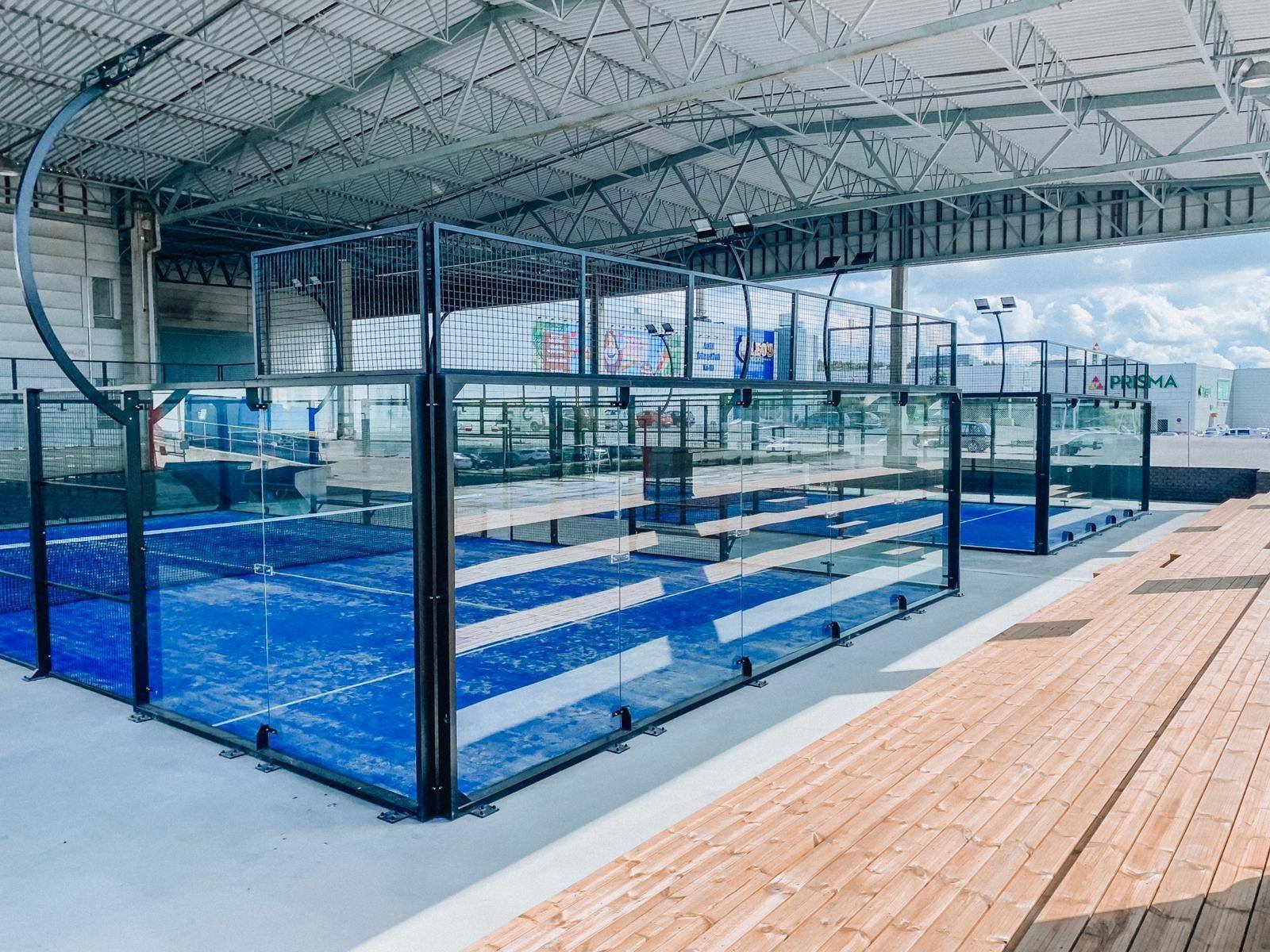
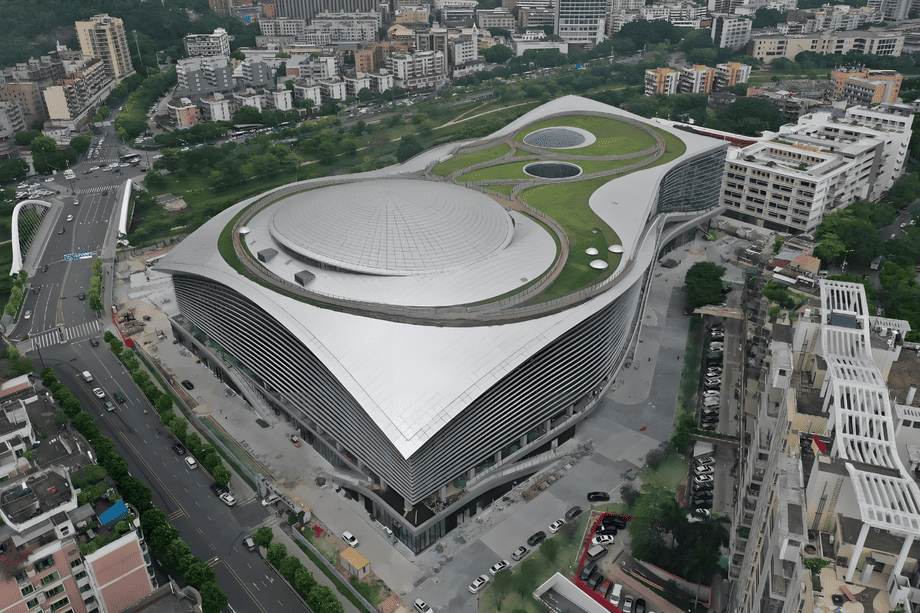
modern multi-sport facility built for professional performance, community use, and long-term operation
In the global market, the best projects are shaped by system thinking. Surface systems, fencing, lighting, drainage, sub-base design, equipment, installation methods, and future maintenance all need to work together. This is where a specialist sports infrastructure partner such as CGT can add value early in the project, helping owners connect design decisions with construction efficiency and long-term performance instead of treating each component as a separate purchase.
The result is a more predictable project lifecycle: better planning before construction, better control during installation, and better performance after handover.
What Makes a Sports Facility "Better"?
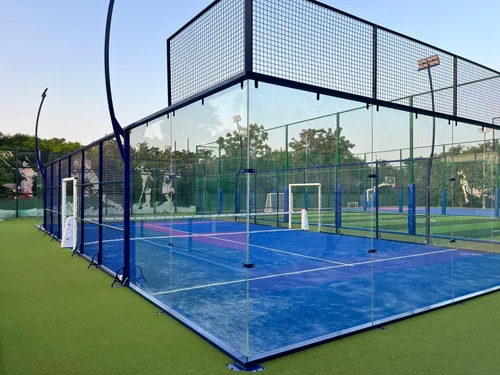
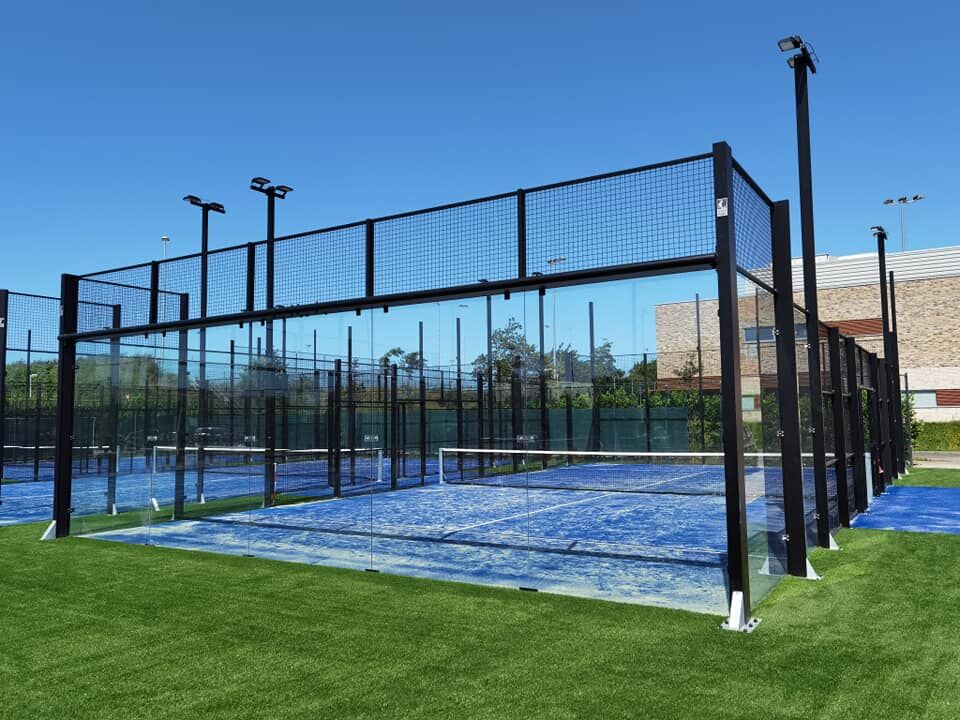
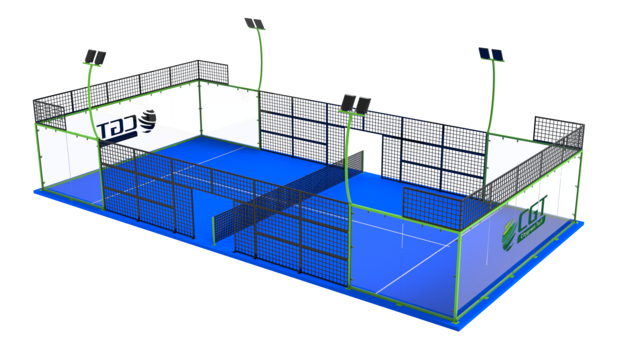
A better sports facility is not defined by appearance alone. It is defined by how consistently it performs under real use. For football facilities, that may mean stable ball roll, shock absorption, drainage, surface durability, and safe player movement. For padel courts, it may mean precise court geometry, high-quality turf, resilient steel structures, tempered glass systems, lighting consistency, and controlled installation tolerances. For comprehensive sports facilities, it means that different sports zones can operate together without creating safety, access, or maintenance problems.
A better facility also gives owners more control. It reduces avoidable repair work, supports scheduled maintenance, and helps the venue stay open more often. From CGT's perspective, this requires a full-system approach: understanding the sports use, matching materials to local conditions, planning construction in practical phases, and making sure the installed system can be maintained over time.
Football Facilities: Performance Beyond the Surface
A strong example of CGT's football facility capability can be seen in Spain, where CGT successfully delivered two professional football pitches that achieved FIFA Quality Pro certification under the latest TM-Football-Turf-2024 standard: Campo de Futbol de Balsicas and Campo de Futbol Municipal Dolores de Pacheco. This milestone places CGT among the first manufacturers globally to complete and certify two top-tier football turf pitches under the new framework.
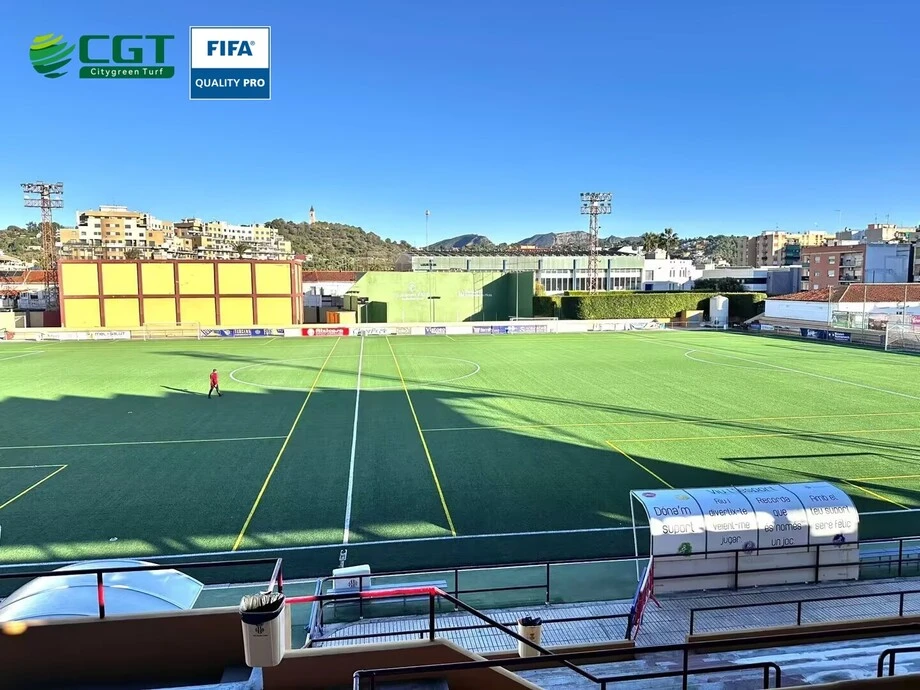
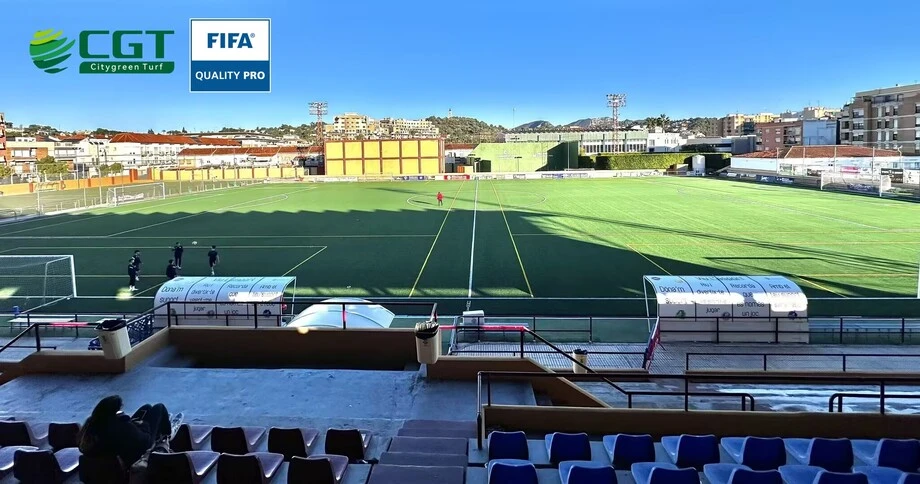
Campo de Fútbol Municipal Dolores de Pacheco (New!)
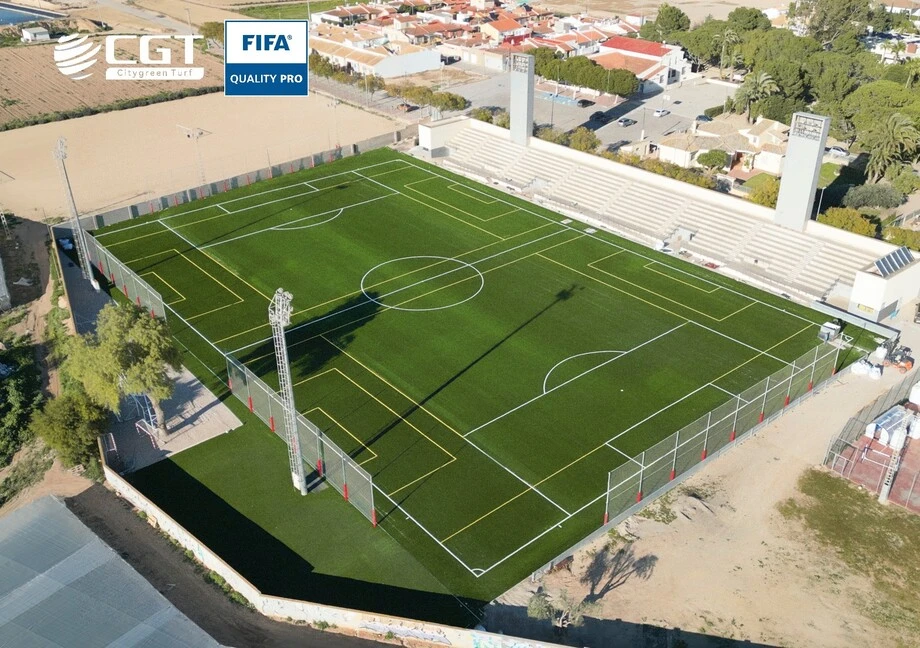
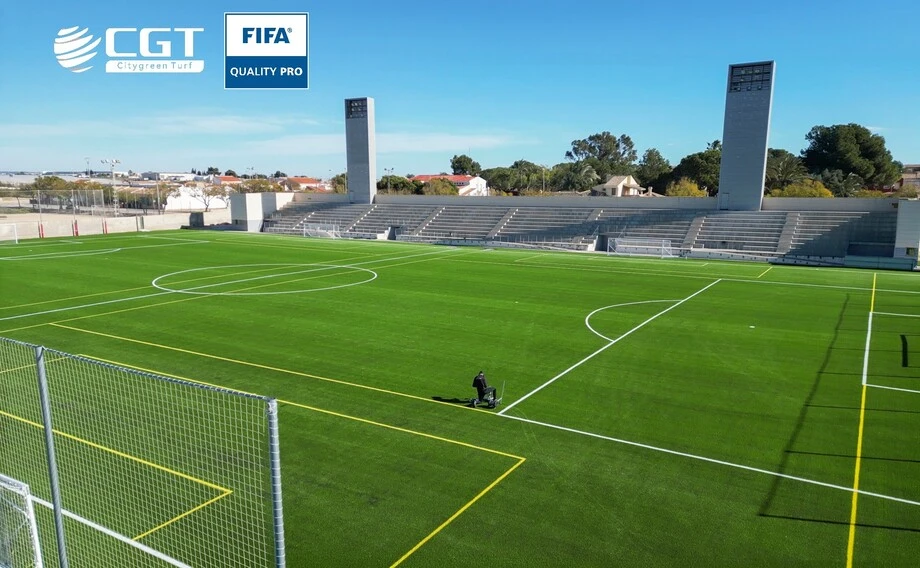
The dual certification is more than a project result; it is evidence of system consistency. Both pitches were designed and constructed for intensive use, supporting professional training and competitive matches while meeting the latest expectations for next-generation football turf performance. Completing and certifying two projects within the same certification cycle also demonstrates CGT's ability to deliver repeatable, high-performance football turf systems across multiple sites.
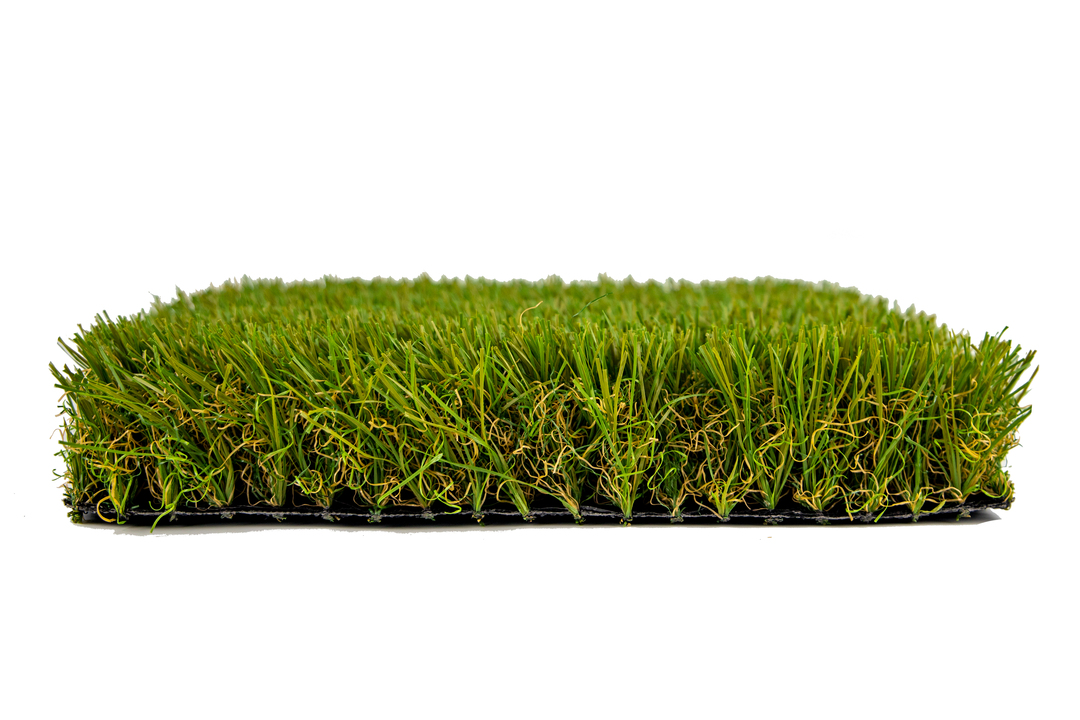
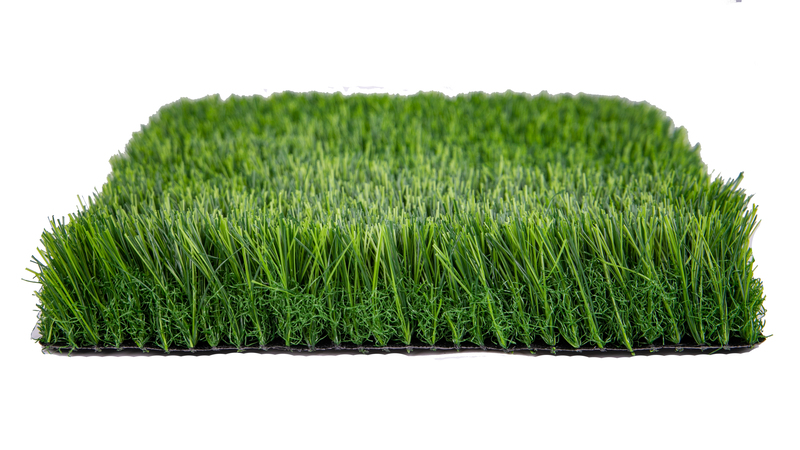
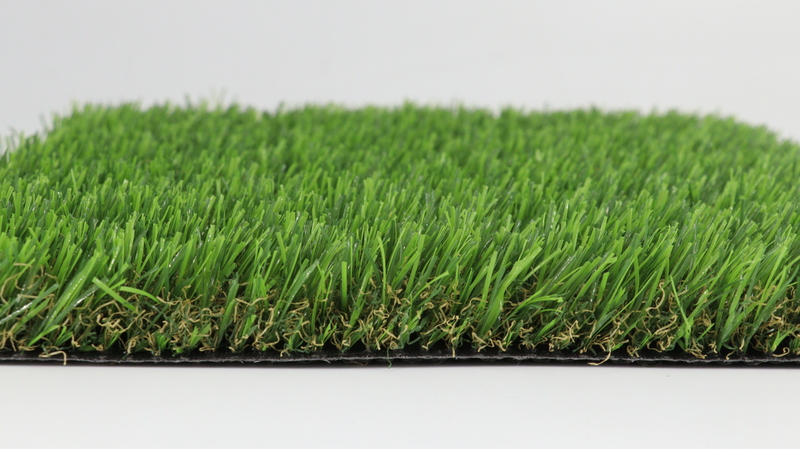
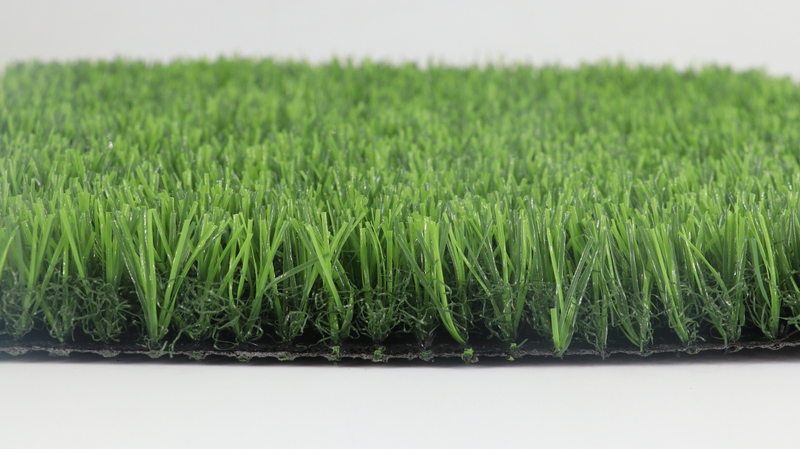
A football facility begins with the playing surface, but performance depends on every layer beneath and around it. A high-quality football field needs a stable sub-base, effective drainage, an appropriate shock pad or infill strategy, well-selected artificial turf or hybrid surface, and clear line marking. If any part of the system is poorly planned, the field may look complete on opening day but underperform after months of heavy use.
Football projects also need to balance different user scenarios. A professional training pitch, school field, community football park, and commercial rental facility may all need different performance priorities. Some projects focus on FIFA-style performance expectations, while others emphasize durability, multi-hour daily use, or lower maintenance requirements. Good design starts by defining these expectations before selecting the surface system.
CGT supports football facility projects by helping owners align turf specifications, base construction, drainage, installation control, and maintenance planning. This integrated view helps reduce mismatches between design intent and actual site performance, especially on international projects where climate, soil, contractor capability, and logistics can vary greatly.
Sports Infrastructure Requires Integrated Project Delivery
Many sports facility problems begin when the project is divided into disconnected packages. One supplier provides turf, another provides steel or fencing, another handles civil works, and another installs lighting. If the project lacks a clear system owner, small coordination gaps can become expensive after installation.
Integrated project delivery brings the main technical decisions into one coordinated workflow. It connects early site evaluation, concept planning, system selection, procurement, production, shipment, installation guidance, quality control, and maintenance documentation. For owners, this improves transparency. For contractors, it reduces ambiguity. For operators, it creates a facility that is easier to manage after opening.
This section is especially suitable for a real project that includes more than one system or more than one site, such as a sports park combining football pitches, padel courts, fencing, lighting, and spectator or training areas. A multi-site football certification project can also work well here because it demonstrates schedule coordination, consistent quality control, installation management, and repeatable system delivery across different venues.
For football fields, padel courts, and multi-sport complexes, CGT can support this integrated approach through sports surface systems, court structures, project coordination, and technical guidance. The goal is not only to deliver materials but also to make sure the delivered system can be built correctly and perform as expected.
Global Projects Bring Unique Challenges
International sports facility construction adds another layer of complexity. Climate conditions, customs clearance, shipping schedules, local construction habits, language differences, certification expectations, and site readiness can all affect the project. A design that works in one market may need adaptation in another.
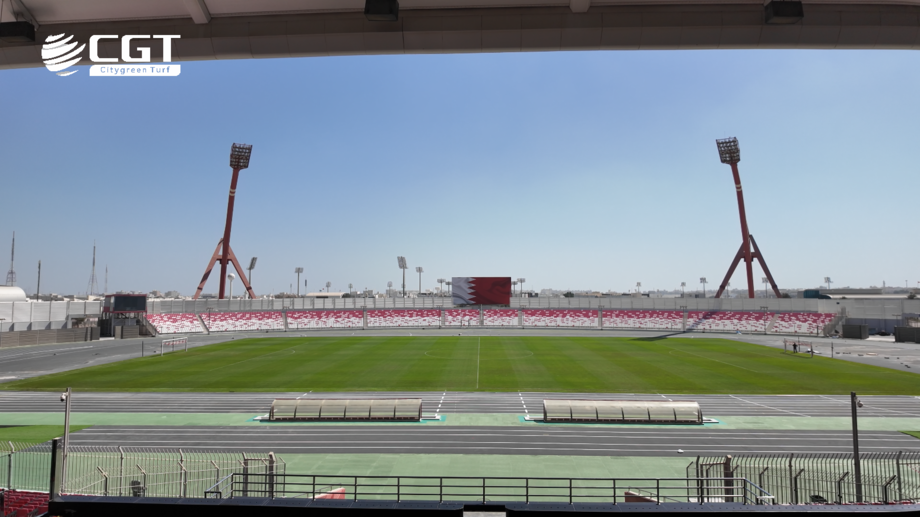
modern sports facility construction adapted to local climate, logistics, and site conditions
For example, a coastal padel court may need stronger corrosion protection than an inland court. A football field in a heavy-rain region needs more careful drainage planning than a field in a dry climate. A multi-sport facility in a dense urban site may require phased construction, compact logistics, and careful access planning. These details influence cost, timeline, and long-term performance.
A global sports infrastructure provider must therefore think beyond product catalogs. CGT's project approach considers local site conditions, international logistics, installation support, and practical handover requirements. This helps owners avoid common risks such as unsuitable specifications, delayed materials, unclear installation responsibilities, or maintenance plans that do not match local operating reality.
Building Better Sports Facilities Worldwide
Better sports facilities are built when planning, materials, engineering, installation, and long-term service are treated as one connected system. Whether the project is a football training center, a padel club, a school sports field, a municipal sports park, or a mixed-use commercial venue, the same principle applies: performance must be designed before it can be delivered.
CGT positions itself as a sports infrastructure solutions provider for owners, developers, contractors, clubs, and institutions that want more than a basic supply relationship. By combining sports facility system design, product resources, project coordination, international delivery experience, and long-term performance awareness, CGT helps create facilities that are built for real use, not only for completion photos.
As global demand grows for football facilities, padel courts, and integrated sports complexes, the market will increasingly favor partners who can manage complexity. The strongest projects will be those that connect technical detail with commercial reality and long-term facility performance.
Consult Your Project Solution
If you are planning a football field, padel venue, or comprehensive sports facility project, we can help you evaluate the site, select the right system, coordinate supply and installation requirements, and build a solution that supports long-term performance. Contact us to discuss your project plan and receive a tailored sports infrastructure solution.