

Padel continues to attract clubs, resorts, real estate developers, and sports facility investors worldwide. But before building a padel project, one of the most important decisions is whether to choose indoor or outdoor padel courts.
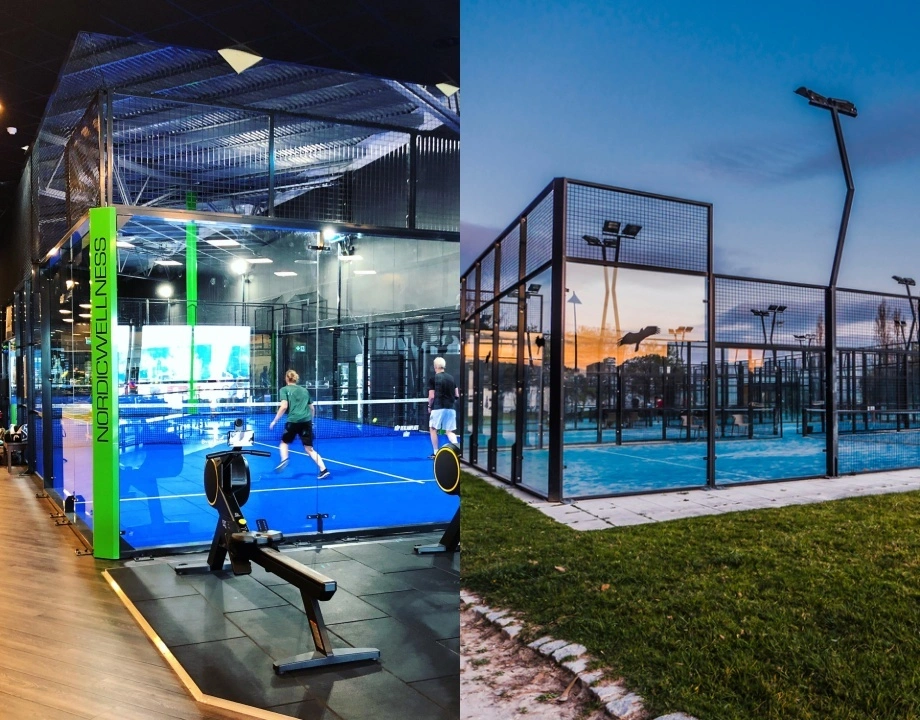
Indoor and outdoor padel courts comparison for club planning
Both options can create strong commercial value, but they serve different operating needs. Indoor courts offer better weather protection and longer playing hours, while outdoor courts usually require lower building investment and can be easier to integrate into open land or leisure spaces.
For club owners and project developers, the best choice depends on climate, land conditions, operating strategy, budget, and long-term maintenance planning.
1. Core Differences Between Indoor and Outdoor Padel Courts
The biggest difference between indoor and outdoor padel courts is not only the roof. It is the overall operating model.
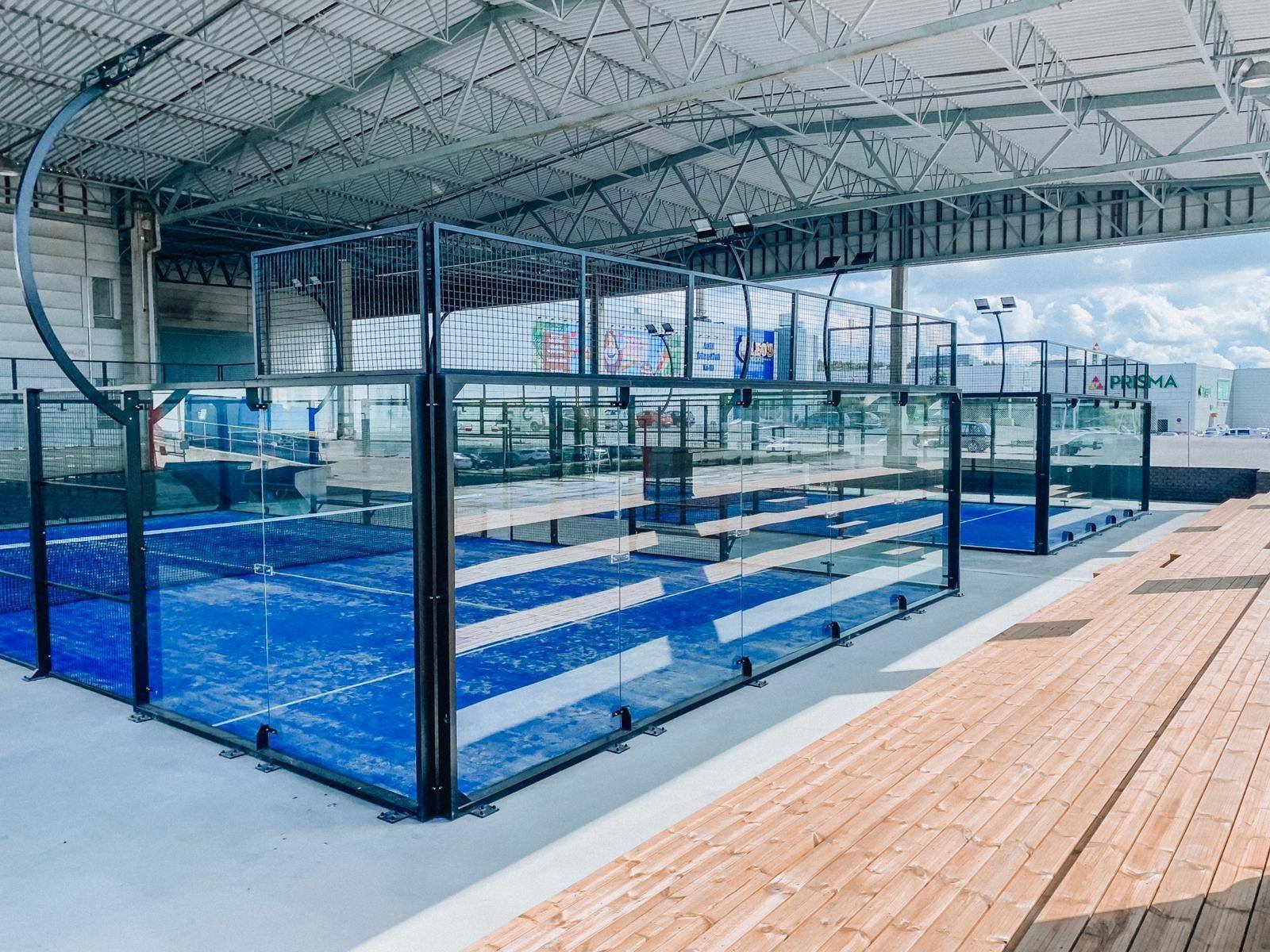
Indoor padel courts are usually built inside a dedicated sports hall, converted warehouse, commercial building, or covered structure. They provide a more controlled playing environment, making them suitable for clubs that want stable daily operation regardless of rain, wind, strong sunlight, or seasonal temperature changes.
Outdoor padel courts are installed in open-air spaces such as sports parks, resorts, schools, residential communities, hotels, or club grounds. They often require less building infrastructure, making them a practical choice for projects with available land and favorable climate conditions.
In simple terms, indoor courts focus more on operational stability, while outdoor courts focus more on space efficiency and project accessibility.
2. Climate and Court Usage Frequency
Climate is one of the most important factors when choosing between indoor and outdoor padel courts.
In regions with heavy rain, strong wind, extreme heat, snow, or long winters, indoor courts can provide a clear advantage. Players are more likely to book courts consistently when the playing experience is not frequently interrupted by weather. For commercial clubs, this can help improve court-hour utilization and create more predictable revenue.
Outdoor courts are more suitable for regions with mild weather, lower rainfall, and longer outdoor sports seasons. In these markets, outdoor padel can offer a comfortable and social playing experience while reducing the need for large-scale building investment.
However, even in good climates, outdoor courts still need to consider sun exposure, wind direction, drainage, and surface maintenance. A court that performs well in design may still face operational problems if the local climate is not carefully evaluated during planning.
3. Structure, Lighting, and Drainage Requirements
Indoor and outdoor padel courts also have different technical requirements.
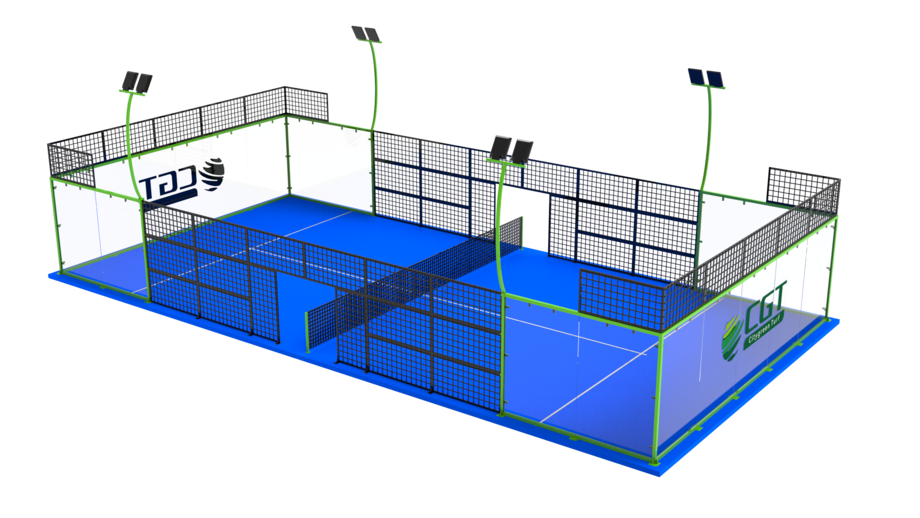
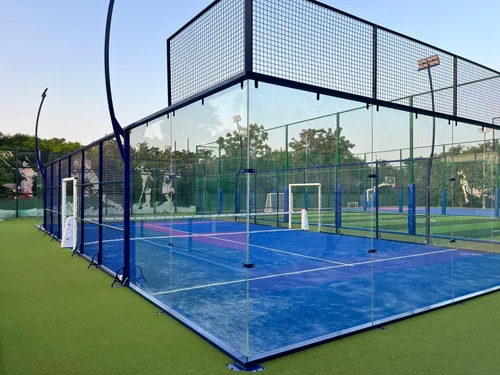
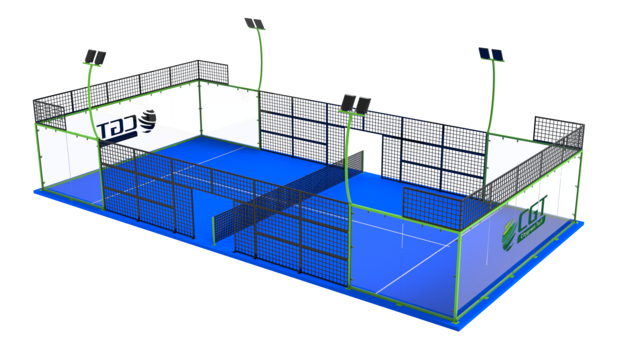
Outdoor padel court structure with glass system lighting and artificial turf
For indoor padel courts, the main considerations include building height, roof clearance, ventilation, lighting layout, acoustic control, and the relationship between the court structure and the surrounding building. A suitable indoor space must provide enough playing clearance and comfortable visibility for players.
Lighting is especially important for indoor clubs because artificial lighting may be used throughout the day. A professional lighting layout helps reduce glare, improve ball visibility, and support a better playing experience.
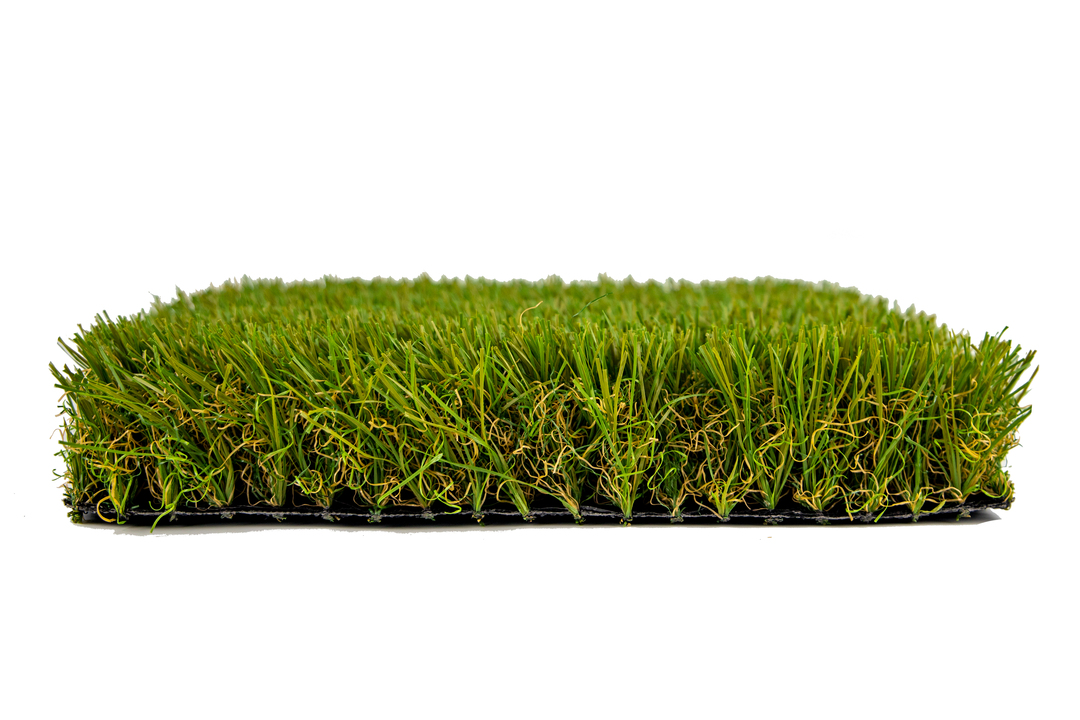
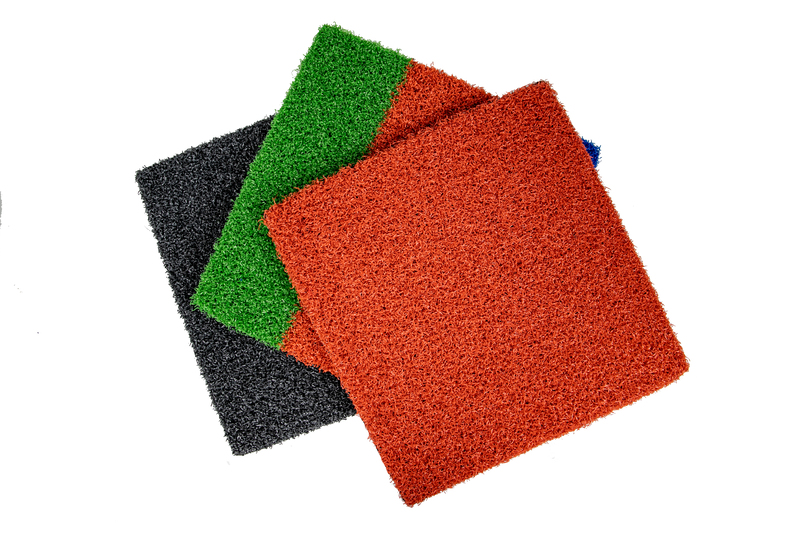
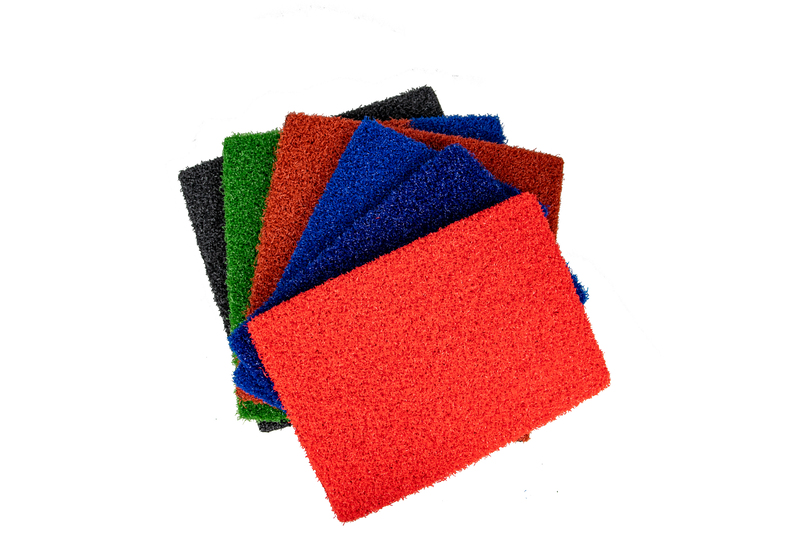
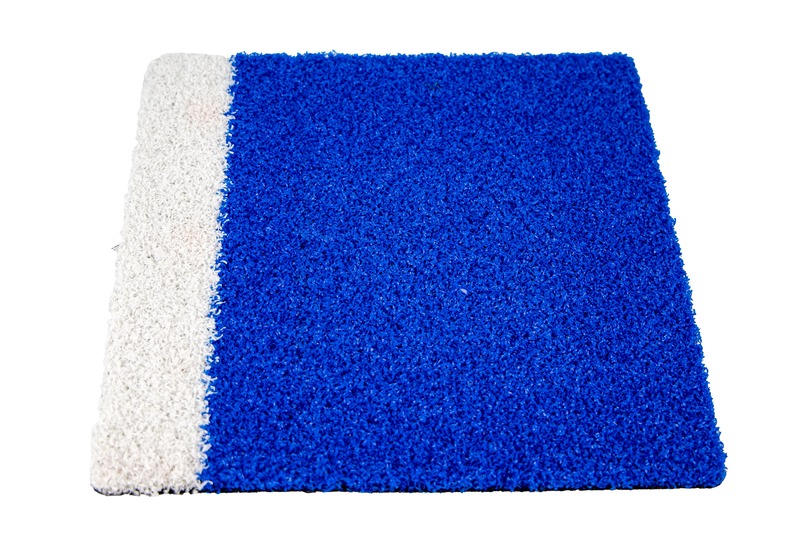
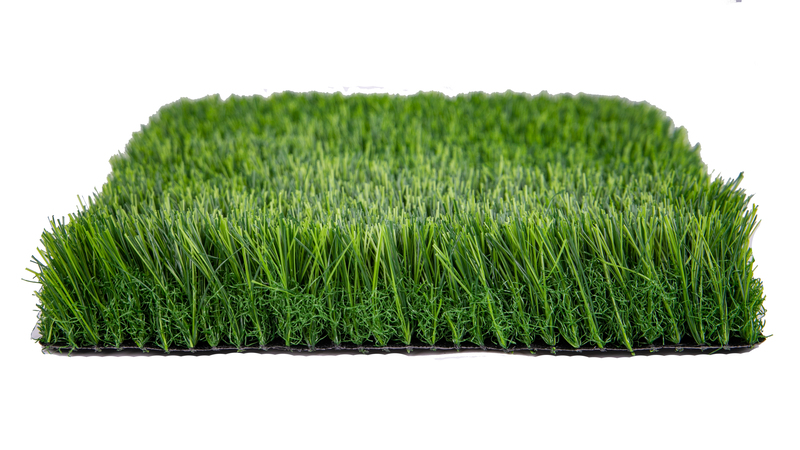
Outdoor padel courts place more emphasis on weather resistance. The steel structure, glass system, turf, lighting poles, and fasteners must be suitable for wind, rain, UV exposure, and possible corrosion. In coastal or humid areas, corrosion protection becomes even more important.
Drainage is another key factor for outdoor courts. Without proper base design and water management, rainwater may affect court performance, turf stability, and long-term maintenance costs.
4. Operating Revenue and Maintenance Costs
Indoor padel courts often require a higher initial investment because of building, roofing, ventilation, lighting, and interior planning. However, they may also support more stable revenue because they can operate for longer hours and reduce weather-related cancellations.
This makes indoor courts attractive for premium clubs, urban sports centers, and high-frequency commercial venues where every bookable hour matters.
Outdoor courts usually have a lower entry cost, especially when the project already has suitable land and basic site conditions. They can be a strong option for resorts, schools, communities, and sports parks that want to introduce padel without building a complete indoor venue.
Maintenance costs are different as well. Indoor courts are less exposed to weather, which may help reduce some long-term wear. Outdoor courts require more attention to cleaning, drainage, glass maintenance, turf condition, and structural protection, especially in harsh climates.
The right choice should not be based only on construction cost. Club owners should also consider long-term booking potential, maintenance pressure, pricing strategy, and expected return on investment.
5. Which Option Is Better for Different Project Types?
For professional padel clubs in cities, indoor courts may be the better option when stable bookings, premium pricing, and year-round operation are the main goals. Indoor facilities can also create a stronger club atmosphere by combining courts with reception areas, changing rooms, coaching zones, retail, and social spaces.
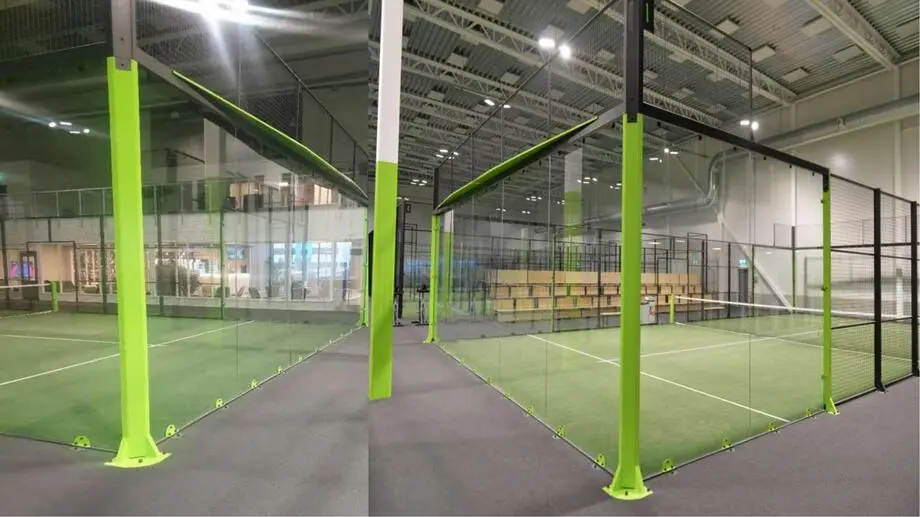
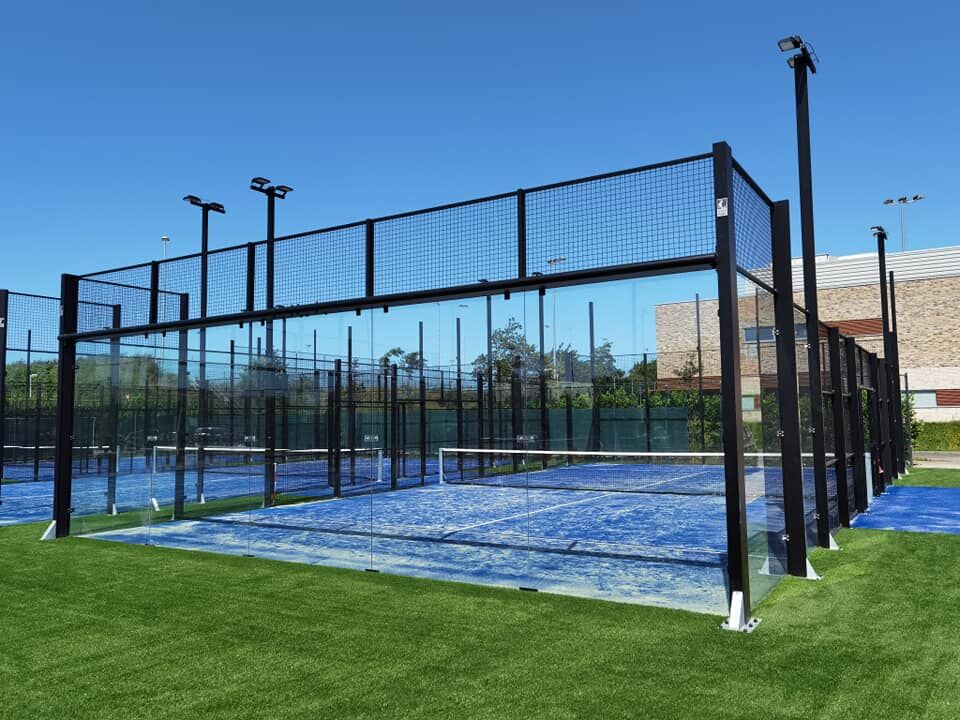
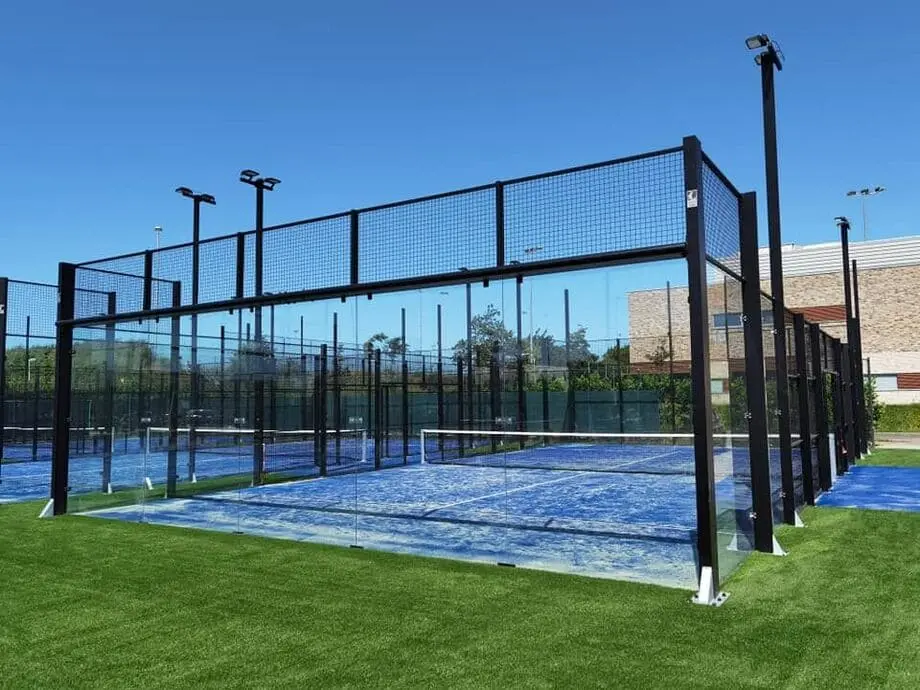
Outdoor padel court for resort club and community sports projects
For clubs that want to create a premium viewing experience or host higher-level events, a Super Panoramic Padel Court can be a strong option. Its open-view design supports better spectator visibility and is suitable for premium clubs, showcase courts, and tournament-style venues.
For resorts, hotels, and high-end sports facilities, outdoor courts can often fit naturally into leisure landscapes. Guests may prefer the open-air sports experience, especially in destinations with good weather. In this type of project, a Panoramic Padel Court can provide a balanced solution, combining a clean visual appearance with reliable structure, glass, turf, and lighting systems.
For schools, communities, sports parks, and entry-level club projects, outdoor padel courts may be more practical when the budget is limited and the courts are mainly used for recreation, training, or public sports programs. A Standard Padel Court is usually a practical choice for these projects, offering essential playing performance and system configuration with better cost control.
For real estate and mixed-use developments, the decision depends on positioning. Outdoor courts can activate open space and increase lifestyle value, while indoor courts can support higher-frequency operation and all-season sports services. For regions with unstable weather but limited indoor space, a covered padel court solution may also be considered. It can provide partial weather protection while avoiding the full investment of a complete indoor building.
Recommended padel court models for different club and facility project types
|
Project Type |
Recommended Padel Court Model |
Why It Fits |
|
Premium clubs / Tournament-style venues / Showcase courts |
Super Panoramic Padel Court |
Designed for a more open viewing experience, making it suitable for premium clubs, high-visibility courts, and event-oriented projects. |
|
Resorts / Hotels / Commercial sports clubs |
Panoramic Padel Court |
Balances visual appeal, structural reliability, and commercial adaptability, making it suitable for leisure and club-based padel projects. |
|
Schools / Communities / Sports parks / Entry-level clubs |
Standard Padel Court |
Provides a practical and cost-effective solution with essential playing performance and complete system configuration. |
|
Real estate / Mixed-use developments |
Panoramic or Super Panoramic Padel Court |
Helps activate open spaces and enhance the lifestyle value of residential, commercial, or mixed-use developments. |
|
Projects with limited budget or basic recreational needs |
Standard Padel Court |
Supports controlled investment while meeting the core requirements for recreational play, training, and daily use. |
Conclusion
There is no single answer to whether indoor or outdoor padel courts are better. The better option is the one that matches the club’s climate, land conditions, operating model, customer profile, and investment plan.
Indoor padel courts are more suitable for projects that require year-round operation, stable revenue, and a premium club experience. Outdoor padel courts are often more flexible for resorts, communities, schools, sports parks, and projects with suitable open land.
Before choosing a court type, investors should evaluate not only the construction budget, but also court usage frequency, weather risks, maintenance needs, and long-term commercial goals.