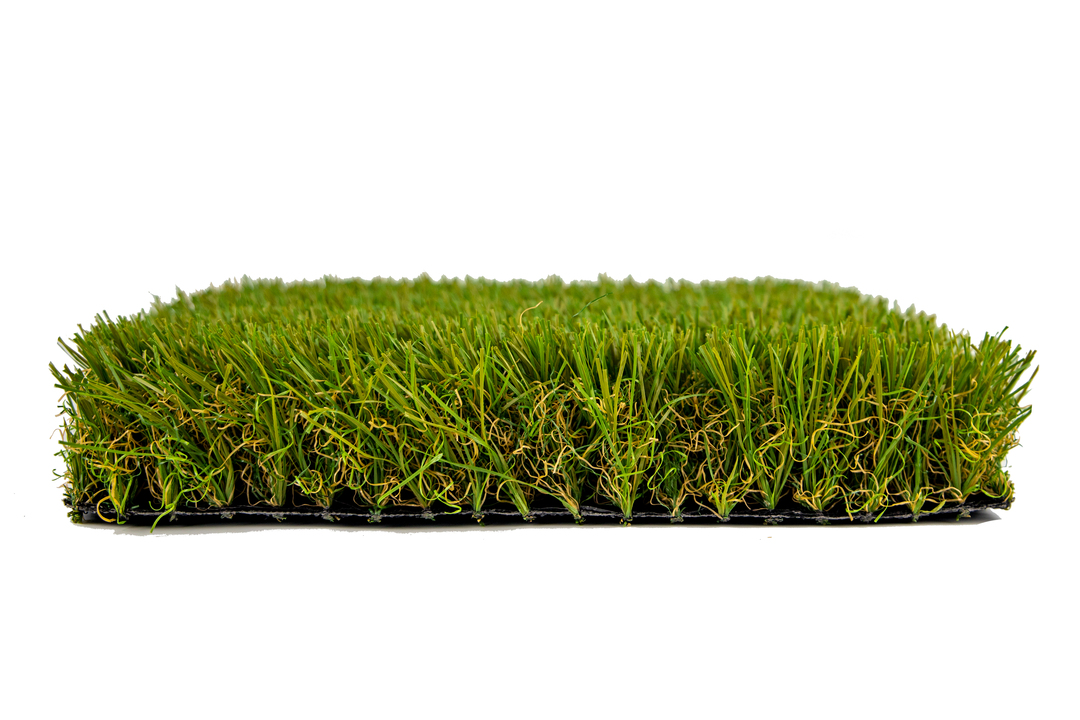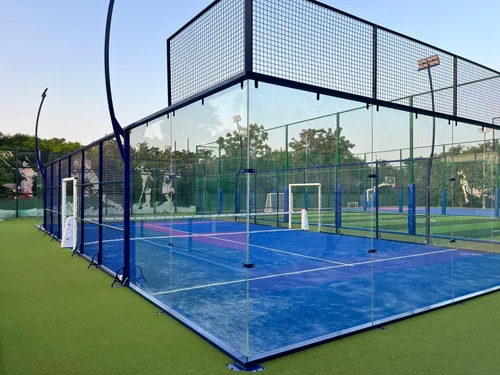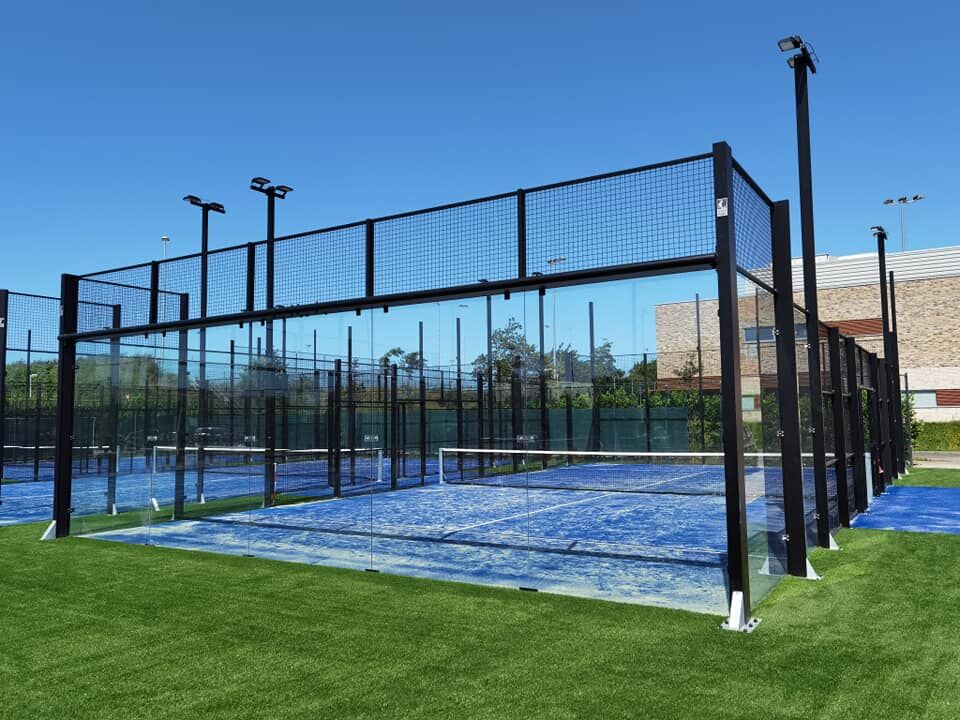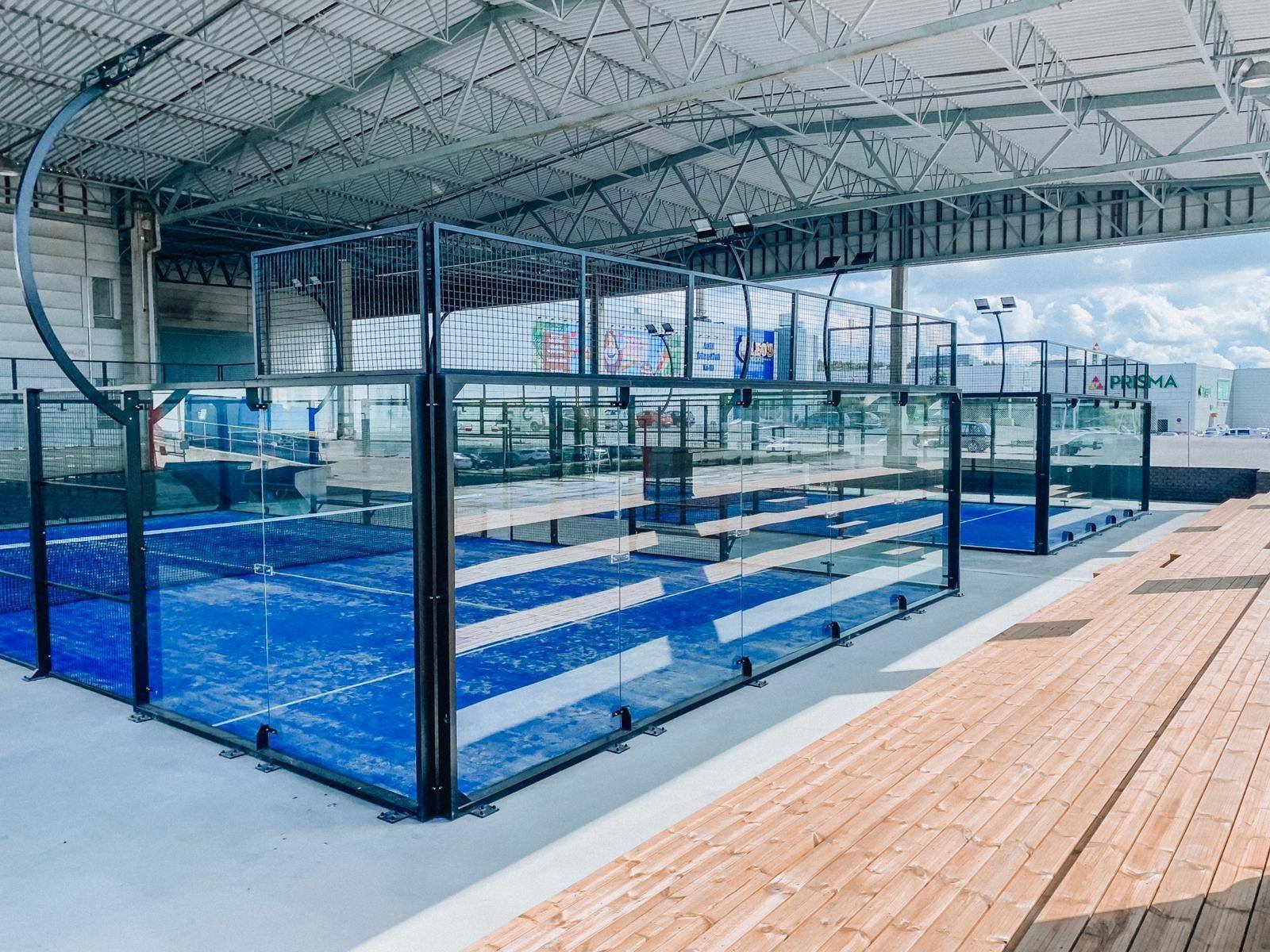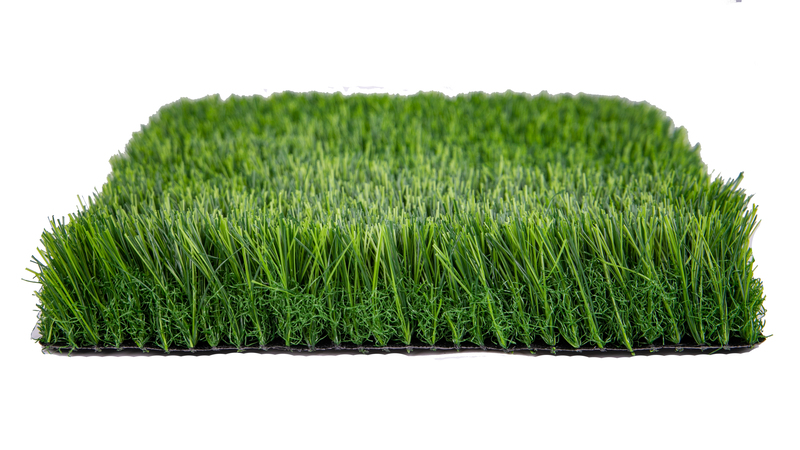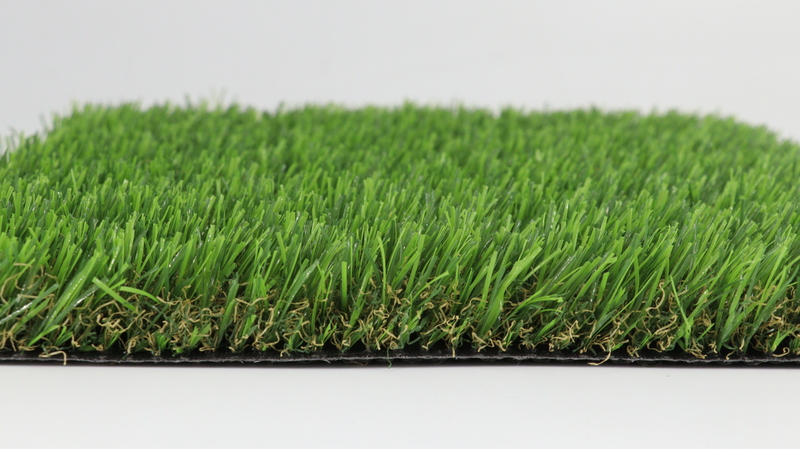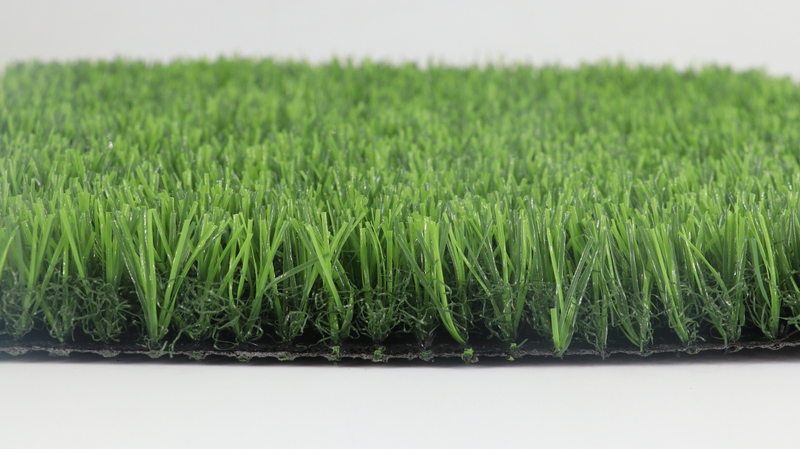


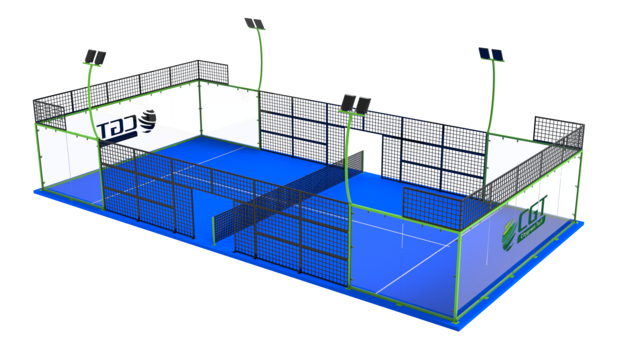
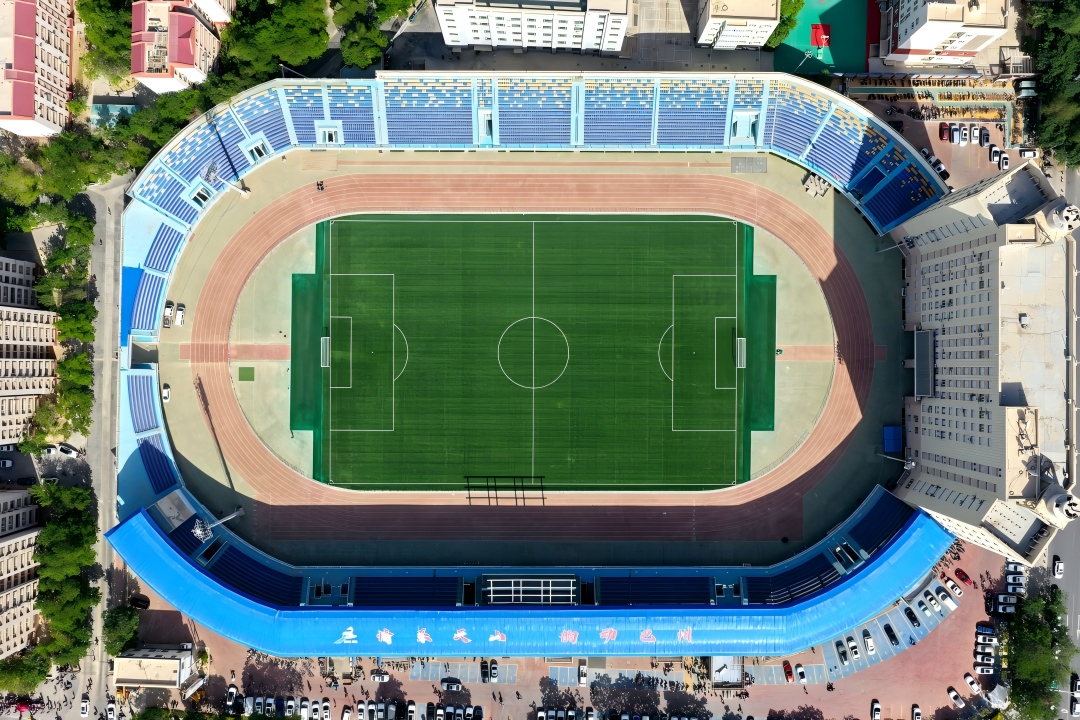
With the rapid growth of football worldwide, more clubs, schools, communities, training centers, and commercial facilities are investing in artificial turf football fields.
However, successful football field construction involves much more than simply installing artificial grass. A professional football pitch requires a complete system that combines foundation preparation, drainage design, turf selection, performance layers, and installation quality.
Every component of an artificial football field affects the final playing experience. A well-designed system helps ensure stable ball response, player safety, surface durability, and long-term operational value.
For project owners, understanding the construction process and key technical considerations is essential before selecting materials or working with a supplier.
Why Football Field Construction Is More Than Turf Installation
Many buyers initially focus on the artificial turf surface because it is the most visible part of a football field. However, turf is only one component of a complete football pitch system.
The performance of an artificial football field depends on how different layers work together, including the foundation, drainage system, shock absorption layer, turf structure, and infill materials.
A successful artificial football pitch construction project usually requires careful planning in several areas, including:
- Site preparation and ground conditions
- Base construction and leveling
- Drainage system design
- Turf system selection
- Installation and quality control
Each stage influences the final performance of the field.
For example, high-quality artificial turf cannot fully perform if the foundation is unstable or drainage is insufficient. Poor construction may lead to problems such as uneven surfaces, water accumulation, reduced playing comfort, and shorter service life.
Therefore, professional football field construction should always be considered as a complete system project rather than a simple turf installation process.
Base Preparation Before Artificial Turf Installation
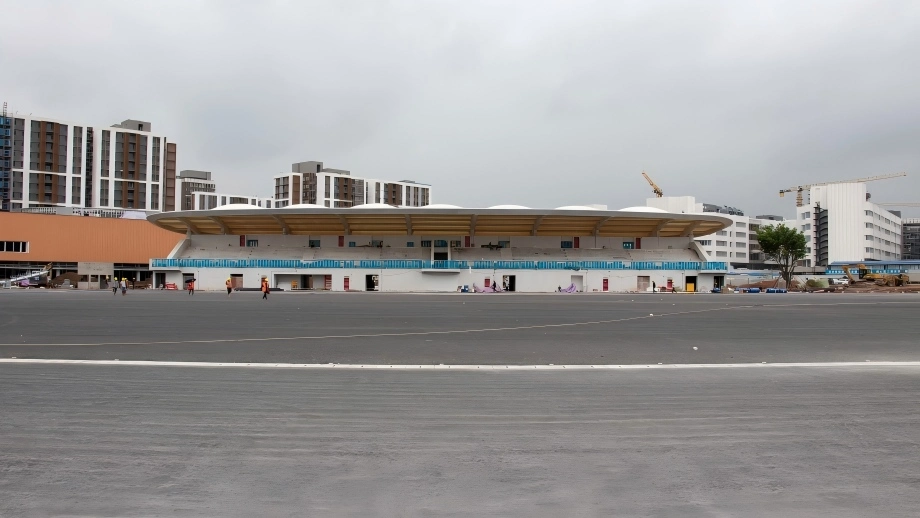
artificial football field base preparation and construction process
The foundation is one of the most important parts of the construction of artificial turf football field projects.
A properly prepared base provides structural stability, supports drainage performance, and creates a consistent surface for artificial turf installation.
Before construction begins, the site conditions need to be carefully evaluated. Factors such as soil type, climate conditions, expected usage intensity, and local construction requirements all influence the final base design.
The typical preparation process includes:
- Site leveling
- Ground compaction
- Surface adjustment
- Base layer construction
The purpose is to create a stable foundation that can withstand repeated player movement while maintaining long-term surface performance.
Drainage Design for Artificial Football Pitches
Drainage is a critical consideration in artificial football pitch construction, especially for projects located in regions with heavy rainfall or changing weather conditions.
Unlike natural grass fields, artificial turf does not absorb water through soil. Instead, water needs to pass through the turf system and be efficiently removed through the drainage structure beneath the surface.
A professional football field drainage system should be designed according to local climate conditions, field usage, and construction requirements.
The surface design, turf permeability, base structure, and underground drainage system all influence how effectively water can move through the field.
Proper drainage planning helps prevent water accumulation, improves field availability after rainfall, and protects the turf system from long-term damage.
For facilities with frequent use, effective drainage is especially important because it allows the pitch to maintain reliable performance under different weather conditions.
Shock Pad, Infill and Turf System Matching
An artificial football field is not defined only by its turf fibers. The overall playing experience depends on how the turf, infill, shock pad, and foundation system are matched together.
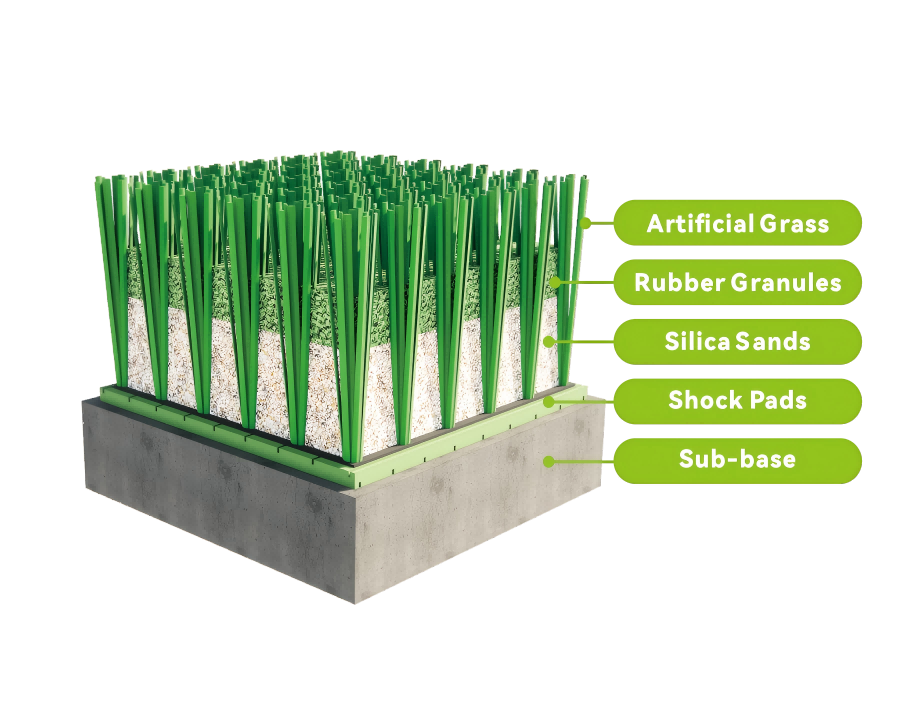
artificial football turf system with infill shock pad and sub-base layers
Different projects require different system configurations based on usage level, performance expectations, and budget considerations.
Choosing the Right Artificial Turf System
Artificial turf selection should consider several factors, including:
- Fiber structure
- Durability
- Recovery performance
- Playing characteristics
- Expected usage frequency
Professional training facilities and high-use football fields usually require turf systems with stronger durability and stable performance.
Meanwhile, schools, communities, and recreational facilities may focus more on comfort, maintenance efficiency, and cost effectiveness.
The right turf system should always match the actual application requirements.
Shock Pad and Infill Selection
Shock pads are designed to improve impact absorption and enhance player comfort.
For projects requiring higher performance standards, shock absorption layers can help improve:
- Player safety
- Surface consistency
- Long-term performance
Infill materials also influence important playing characteristics, including ball response, surface softness, and turf stability.
Common infill options include sand infill, rubber infill, and environmentally friendly alternatives. The final selection should be based on project requirements and operating conditions.
Common Installation Problems in Football Field Projects
Even with high-quality materials and proper system design, installation quality plays an important role in determining the final performance of an artificial football field.
During artificial turf football field installation, several issues may affect the field’s durability and playing experience if they are not properly managed.
One common problem is an unstable or uneven foundation. Since the base layer supports the entire turf system, poor ground preparation may result in surface deformation, inconsistent ball movement, or drainage problems over time.
Another important factor is turf joint installation. Artificial turf is installed by connecting multiple rolls together, and inaccurate seam installation may affect the appearance, stability, and durability of the playing surface.
Drainage issues are also frequently related to insufficient early-stage planning. Without a suitable drainage structure, the field may experience water accumulation after rainfall, longer recovery time, and increased maintenance requirements.
Proper drainage design is one of the key factors in preventing water accumulation and maintaining long-term field performance. Learn more about football turf drainage systems and how drainage structures influence artificial pitch performance.
In addition, selecting turf, infill, and shock pad components separately without considering the complete system may affect the final performance. A successful football pitch requires every layer to work together based on the project’s actual requirements.
What Buyers Should Confirm Before Starting Construction
Before starting an artificial football field project, buyers should first define the purpose and expected usage of the facility.
Different applications require different system solutions. A professional training center may prioritize durability, playing consistency, and higher performance standards, while a school or community football field may focus more on daily usability, comfort, and maintenance efficiency.
Understanding the project’s location and operating environment is also essential. Factors such as climate conditions, rainfall levels, expected usage frequency, and maintenance requirements should be considered during the design stage to ensure the selected system is suitable for long-term operation.
In addition, buyers should evaluate whether the supplier has complete project capabilities. Football field construction involves more than turf manufacturing; it requires technical understanding of system design, installation methods, and project implementation.
Working with an experienced partner with international project experience can help reduce construction risks and ensure the final football facility meets expected performance requirements.
Key Factors Behind Building High-Performance Football Facilities
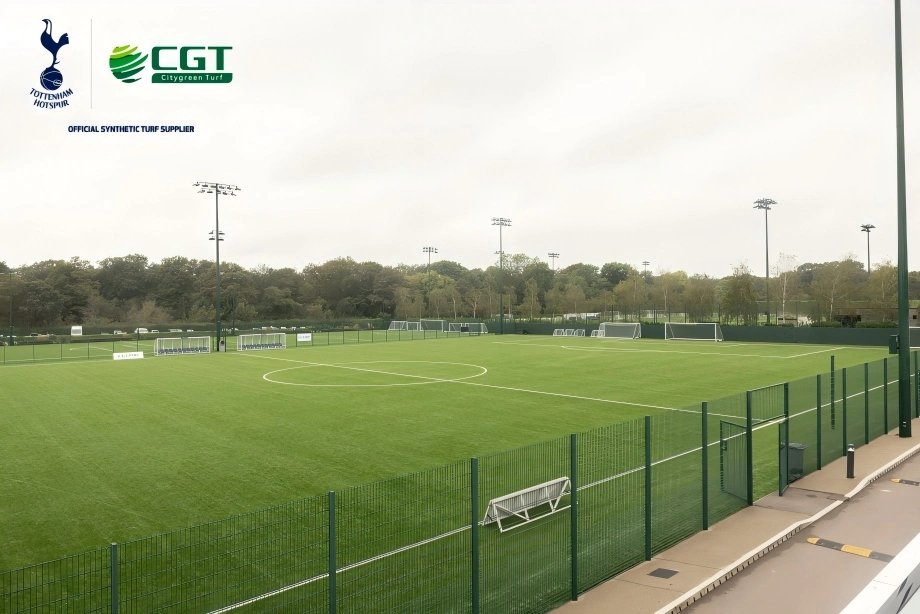
FIFA Quality Pro artificial football pitch at Tottenham Hotspur Training Centre
Building a high-standard football facility requires a complete understanding of how each component contributes to the overall playing experience. A successful football pitch is not simply an area covered with artificial grass but a complete sports surface system that combines a stable foundation, effective drainage, suitable turf technology, performance layers, and professional installation. From project planning and system selection to construction quality and long-term maintenance, every stage influences the safety, durability, and performance of the final facility.
CGT has supplied football turf solutions for international football projects, including the FIFA Quality Pro training pitch at Tottenham Hotspur Training Centre, as well as other professional football facilities worldwide. These projects demonstrate the importance of combining suitable turf systems, reliable construction methods, and professional project management when creating high-performance football environments.
With experience in international football facility projects, CGT develops integrated artificial turf solutions designed for different applications, including professional training centers, stadiums, schools, and community sports facilities. By combining artificial turf manufacturing capabilities, system design expertise, and project experience, CGT helps partners develop football facilities that meet different performance requirements.
Conclusion
A successful football field construction project requires careful planning across every stage, including base preparation, drainage design, turf system selection, and installation quality. Artificial turf is only the visible surface of a complete football pitch system. The performance, safety, and durability of the field depend on how all components work together.
For organizations planning an artificial turf football field project, selecting the right system approach and an experienced partner is essential to achieving long-term value.